How to Say Supportedly in Spanish | MostUsedWords.com
As of 2026, understanding the nuances of expressing "supportedly" in Spanish can significantly enhance your language skills. In English, "supportedly" is an adverb that indicates an action carried out with assistance or backing. This article explores how to convey this concept effectively in Spanish.

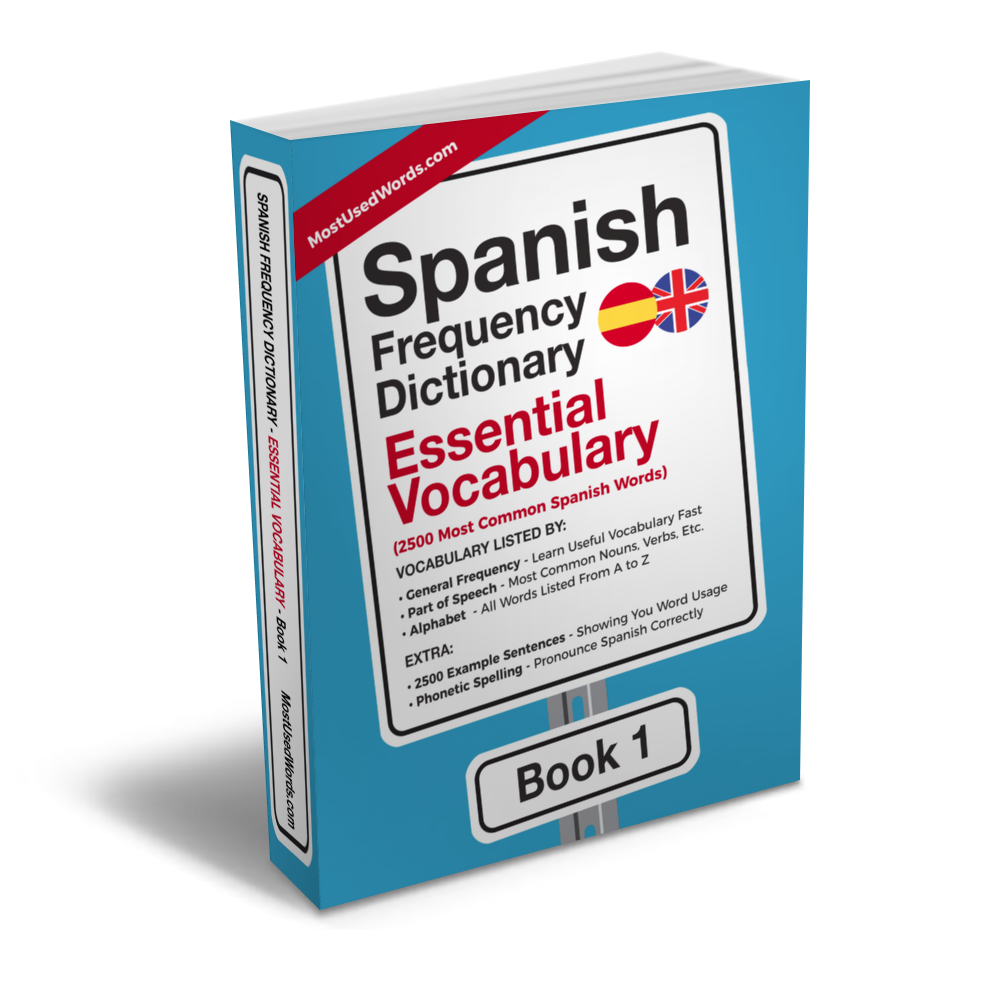
2,500 most common Spanish words with IPA pronunciation & bilingual example sentences
How to Say "Supportedly" in Spanish
In English, the term "supportedly" is relatively uncommon and does not have a direct translation in Spanish. However, you can express this concept using several alternative phrases:
- Con apoyo (IPA: /kon aˈpoʝo/): This phrase translates to "with support" and effectively conveys the idea of doing something with assistance or backing.
- Con respaldo (IPA: /kon resˈpaldo/): Similar to the previous translation, this phrase means "with backing" and emphasizes the idea of having support while carrying out an action.
- De manera asistida (IPA: /de maˈneɾa asiˈstiða/): This expression translates to "in a supported manner" and denotes the manner in which an action was executed with help.
- Con asistencia (IPA: /kon asiˈstensja/): This phrase signifies "with assistance" and suggests that the subject had help or aid while performing the action.
- Con respaldo moral (IPA: /kon resˈpaldo moˈɾal/): If you want to specifically emphasize emotional or moral support, this phrase means "with moral support" and conveys the idea of being encouraged or guided during the action.
How to Use Supportedly in Different Contexts
Want to improve your Spanish?
The Spanish Frequency Dictionary series covers the 10,000 most common Spanish words — ranked by how often native speakers actually use them, with IPA pronunciation, English translations, and bilingual example sentences at every level.
Browse all 4 volumes →To better understand how to use these phrases, consider their application in various contexts:
- Con apoyo: This phrase is versatile and can be used in both personal and professional settings. For example, "El equipo completó el proyecto con apoyo del gerente." (The team completed the project with support from the manager.)
- De manera asistida: This phrase is particularly useful when describing a process or task that requires guidance. For example, "Ella abordó la tarea difícil de manera asistida." (She approached the difficult task in a supported manner.)
- Con respaldo moral: Use this phrase to emphasize emotional support in situations where encouragement is crucial. For example, "Ellos viajaron al extranjio con respaldo moral de sus amigos." (They traveled abroad with the moral support of their friends.)
Sample Sentences for Supportedly in Spanish
Here are some sample sentences to help you understand how these phrases can be used:
- Completó el proyecto que lo desafiaba con apoyo.
(He completed the challenging project with support.)
- Después del incendio, la comunidad se unió para reconstruir la escuela con respaldo unos de otros.
(The community came together to rebuild the school with backing from one another after the fire.)
- Abordó la tarea difícil de manera asistida, buscando la orientación de su mentor.
(She approached the difficult task in a supported manner, seeking guidance from her mentor.)
Build Your Spanish Vocabulary Systematically
The fastest way to grow your Spanish vocabulary is to start with the words you'll actually encounter every day. The Spanish Frequency Dictionary covers the 2,500 most common Spanish words, each with IPA pronunciation, an English translation, and bilingual example sentences.
Browse the full range of Spanish frequency dictionaries to find the volume that matches your level.