How to Say Sugar in Spanish | MostUsedWords.com
As of 2026, learning how to say "sugar" in Spanish remains a crucial step for anyone expanding their vocabulary. The word for sugar in Spanish is "azúcar". It is pronounced /aˈθukaɾ/ in Castilian Spanish and /aˈsuɣaɾ/ in Latin American Spanish.
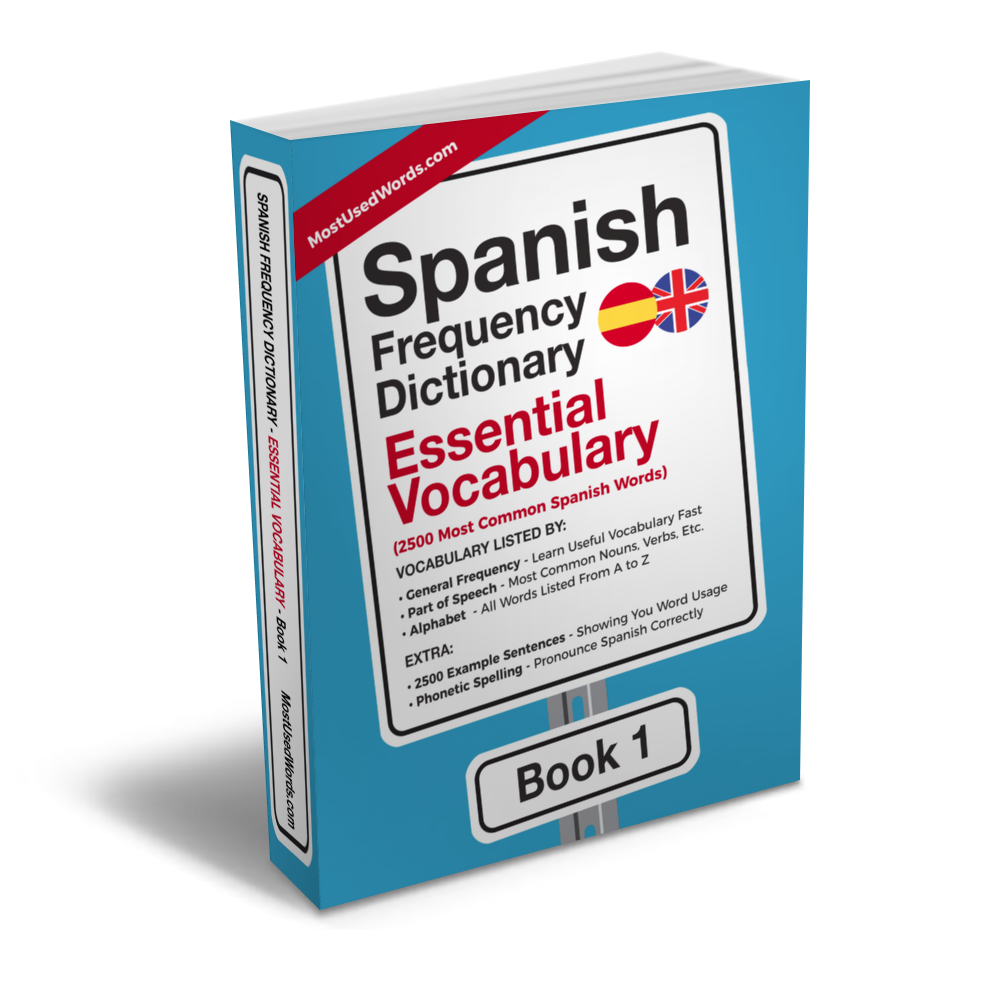
2,500 most common Spanish words with IPA pronunciation & bilingual example sentences
What is "Sugar" in Spanish?
Azúcar refers to the sweet, crystalline substance used to add flavor and sweetness to food and drinks. It can be derived from different sources such as sugar cane, sugar beet, or fruits. In Spanish, you can also use the word "dulce" to refer to something that is sweet but it is not specific to the ingredient of sugar.
Cultural Significance and Historical Context
Want to improve your Spanish?
The Spanish Frequency Dictionary series covers the 10,000 most common Spanish words — ranked by how often native speakers actually use them, with IPA pronunciation, English translations, and bilingual example sentences at every level.
Browse all 4 volumes →Sugar has played a significant role in the cultural and economic history of many Spanish-speaking countries. In Mexico, for example, sugar cane was one of the main crops introduced by the Spanish during colonization, leading to its widespread use in traditional dishes and sweets.
The production and trade of sugar have a long history in Latin America. The introduction of sugar cane cultivation by European colonizers transformed economies and societies across the region. Today, many countries continue to rely on sugar as an important agricultural product.
Regional Differences
- In Spain, the word "azúcar" is the most common term for sugar.
- In Mexico and some Central American countries, you might also hear the word "azúcar", but it's more common to use "azúcar morena (IPA: /aˈsu.kar mo.ˈɾe.na/)" or "piloncillo (IPA: /pi.loŋ.ˈsi.ʎo/)" to refer to brown sugar.
- In some South American countries like Colombia and Venezuela, the word "azúcar" is also common, but you might hear "panela (IPA: /pa.ˈne.la/") to refer to brown sugar.
- In the Caribbean, the word "azúcar" is used, but you might also hear "azúcar prieta (IPA: /a.ˈsu.kar ˈpɾje.ta/)" or "chancaca (IPA: /tʃan.ˈka.ka/") to refer to brown sugar.
- In addition, it's worth noting that in many Spanish-speaking countries, people often use sugar substitutes like stevia and agave syrup. To say "sweetener" in Spanish, you can use the word "endulzante".
Types of Sugar in Spanish
In addition to regular white sugar ("azúcar blanco"), there are several types of sugar used in different contexts. For instance:
- Azúcar morena (brown sugar): Used for baking and adding a rich flavor.
- Panela: A solidified cane syrup that is often used in traditional dishes.
- Piloncillo: Unrefined cane sugar formed into cones or blocks, commonly used in Mexican cuisine.
- Azúcar de caña (sugar cane): Raw sugar made directly from the juice of sugar cane.
Sample Sentences Using "Azúcar"
To help you integrate this word into your vocabulary, here are some sample sentences:
- "Necesito comprar azúcar para hacer galletas." (I need to buy sugar to make cookies.)
- "¿Quieres un poco de azúcar en tu café?" (Do you want a little sugar in your coffee?)
- "El pan recién hecho está muy dulce sin azúcar." (The freshly baked bread is very sweet without sugar.)
Build Your Spanish Vocabulary Systematically
The fastest way to grow your Spanish vocabulary is to start with the words you'll actually encounter every day. The Spanish Frequency Dictionary covers the 2,500 most common Spanish words, each with IPA pronunciation, an English translation, and bilingual example sentences.
Browse the full range of Spanish frequency dictionaries to find the volume that matches your level.