

How to Say Sorry in Spanish | Apology Phrases and Cultural T
As of 2026, there are numerous daily situations where you may need to express regret or apologize to someone in Spanish. Knowing how-to-apologize-in-spanish is crucial for maintaining good relationships and navigating social situations effectively.
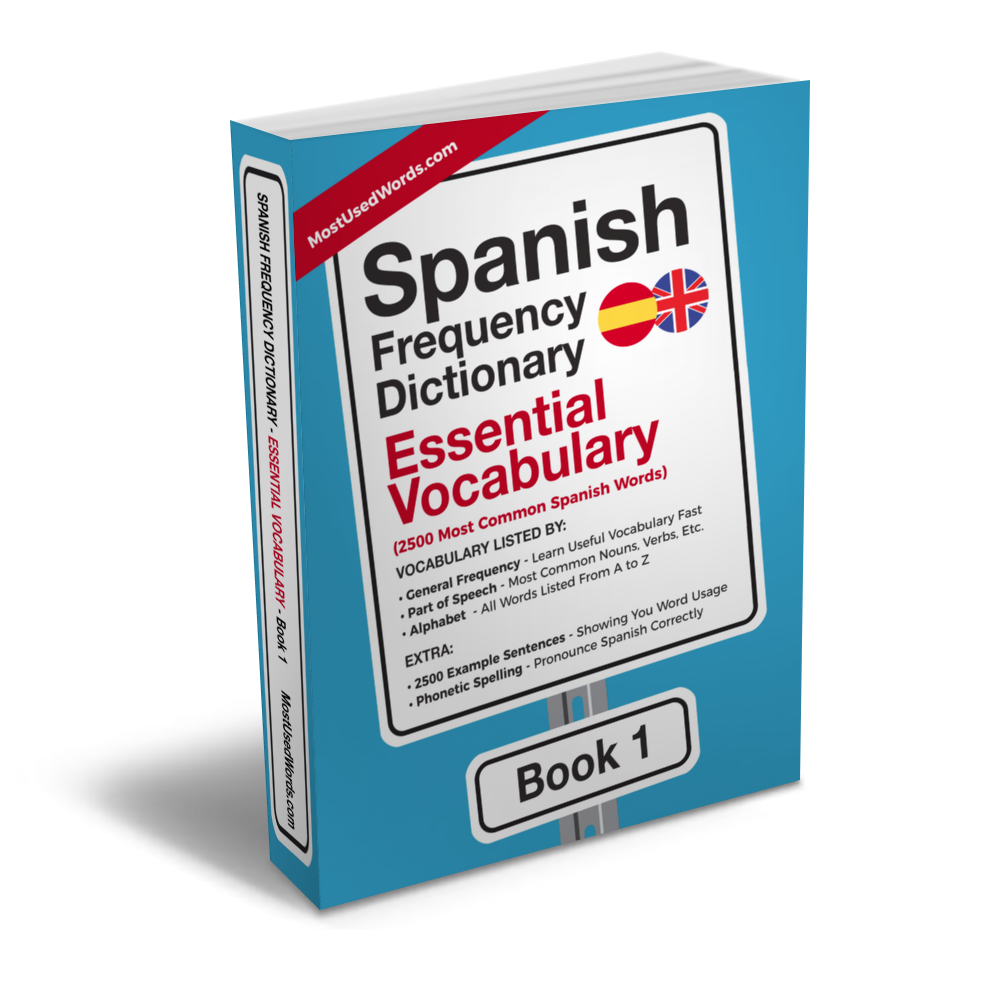
2,500 most common Spanish words with IPA pronunciation & bilingual example sentences
Cultural Context and Etiquette When Apologizing
In Spanish-speaking cultures, understanding when and how to apologize is essential. The right words can help you maintain positive relationships in both formal and informal settings. This article will guide you through different ways to say sorry in Spanish, including cultural nuances across various countries.
Formal vs. Informal Apologies Across Different Settings
The way you apologize varies depending on the context—whether it's a professional setting or among friends and family members. Understanding these differences is key to expressing regret appropriately.
Want to improve your Spanish?
The Spanish Frequency Dictionary series covers the 10,000 most common Spanish words — ranked by how often native speakers actually use them, with IPA pronunciation, English translations, and bilingual example sentences at every level.
Browse all 4 volumes →How to Apologize for Major Offenses in Spanish
When you need to apologize for serious issues, such as infidelity or significant breaches of trust, it's important to use phrases that convey sincerity and a deep sense of regret. These apologies often require more than just saying “lo siento.”
Real-Life Example: Major Offense Apology
Situation: You have been unfaithful to your partner.
Your response: "Perdóname, no quise lastimarte." (Forgive me, I didn't mean to hurt you.)
Cultural Differences in Apologizing Across Spanish-Speaking Countries
The way people apologize can vary significantly across different Spanish-speaking countries. For example, in Spain, a more direct approach might be preferred, while in Latin America, there may be an emphasis on maintaining harmony and avoiding confrontation.
Real-Life Example: Cultural Context
Situation: You have caused inconvenience to someone at work.
Your response: "Disculpe, no fue mi intención." (Excuse me, it wasn't my intention.)
When to Use “Lo Siento” – I’m Sorry
This phrase literally means 'I feel it' and conveys empathy towards the person's issue. However, if you are directly responsible for someone’s problem, consider using a more direct apology.
Real-Life Example: Lo Siento
Situation: A friend tells you they lost their job.
Your response: “Lo siento mucho por lo que estás pasando.” (I feel deeply sorry for what you are going through.)
When to Use “Perdón” – Sorry/ Excuse Me
This quick, catch-all term is ideal for minor offenses and can also be used as 'excuse me' in crowded areas. It's one of the more practical ways to apologize for small mistakes.
Real-Life Example: Perdón
Situation: You accidentally bump into someone at a store.
Your response: “Perdón, no lo vi.” (Sorry, I didn’t see you.)
- Perdóname. – Forgive me.
The addition of the suffix 'me' significantly changes the meaning to an admission of guilt and a plea for forgiveness. This phrase is more suitable for serious grievances like infidelity or failing to fulfill obligations at work.
Real-Life Example: Perdóname
Situation: You have been disrespectful to a close friend.
Your response: “Perdóname, no quise ofenderme.” (Forgive me, I didn’t mean to offend you.)
Disculpa – Sorry/ Excuse Me
This versatile phrase can be used in various contexts, from saying 'excuse me' to apologizing for minor grievances. However, it should typically be reserved for more casual settings.
- Disculpame. – Sorry/ Forgive me
The suffix ‘me’ raises the intensity of the apology and adds a personal tone of forgiveness.
Real-Life Example: Disculpa
Situation: You accidentally bump into someone at work.
Your response: “Disculpe, no quise molestarle.” (Excuse me, I didn’t mean to bother you.)
Build Your Spanish Vocabulary Systematically
The fastest way to grow your Spanish vocabulary is to start with the words you'll actually encounter every day. The Spanish Frequency Dictionary covers the 2,500 most common Spanish words, each with IPA pronunciation, an English translation, and bilingual example sentences.
Browse the full range of Spanish frequency dictionaries to find the volume that matches your level.