How to Say Slang in Spanish | Regional Differences and Commo
As of 2026, understanding how to express the concept of "slang" in Spanish can be challenging due to its nuanced regional variations. In this article, we delve into various ways to say "slang" in Spanish and provide context for each term.

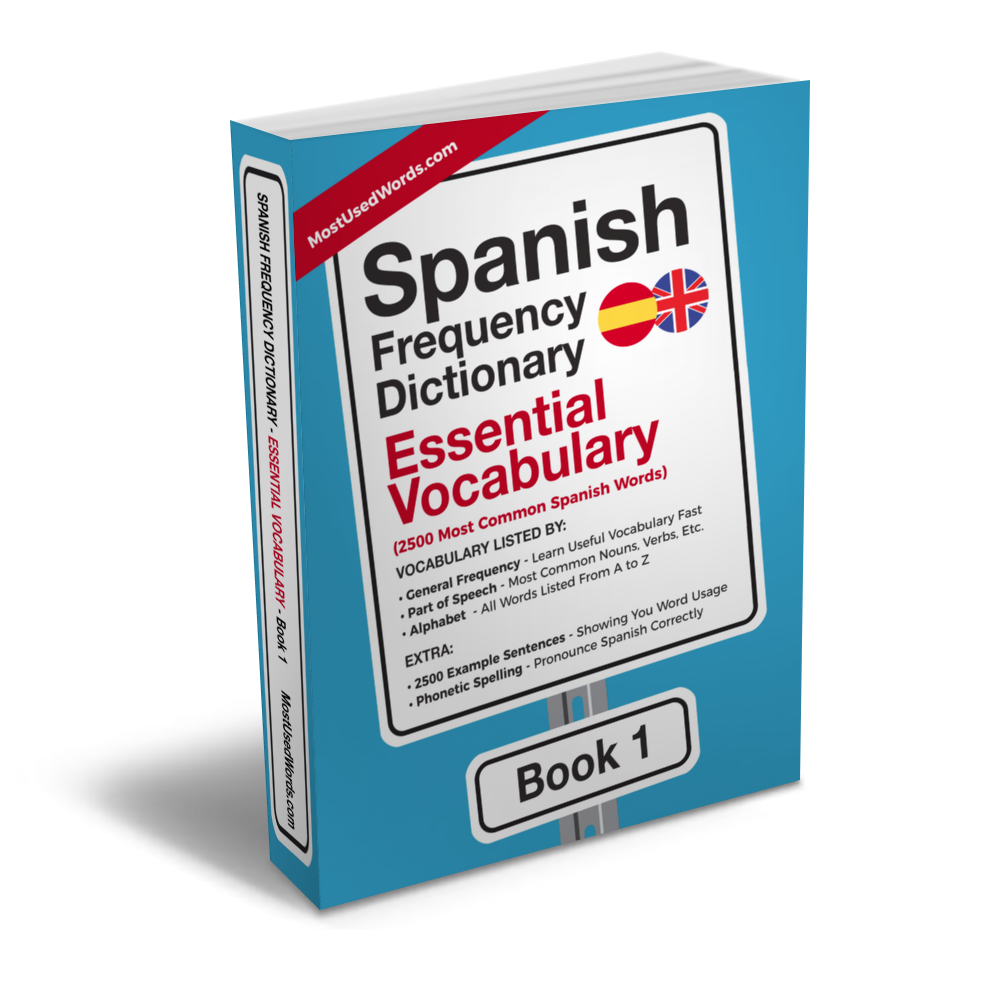
2,500 most common Spanish words with IPA pronunciation & bilingual example sentences
What is "Slang" in Spanish?
"Slang" refers to informal language used within specific communities or contexts. In Spanish, there are several terms that describe this concept depending on the region:
- Jerga (IPA: /ˈxer.ɡa/): This term is widely understood across different Spanish-speaking regions and generally refers to general slang.
- Caló (IPA: /kaˈlo/): Specific to Spain, this term describes the slang used by the Romani community in Spain.
- Modismo (IPA: /moˈðis.mo/): While it can refer to idiomatic expressions, some regions use it for certain slang terms as well.
- Argot (IPA: /arˈɡot/): Common in Europe, this term denotes the specific jargon or slang used by particular social groups.
Meaning of "Slang" in Spanish
Want to improve your Spanish?
The Spanish Frequency Dictionary series covers the 10,000 most common Spanish words — ranked by how often native speakers actually use them, with IPA pronunciation, English translations, and bilingual example sentences at every level.
Browse all 4 volumes →The terms mentioned above refer to different aspects of slang:
- Jerga: Refers to general slang used by a broader community or within specific professions.
- Caló: Used by the Romani community in Spain, this term describes their unique and distinct slang.
- Modismo: While it may include slang, it is more commonly used for idiomatic expressions with figurative meanings.
- Argot: Primarily associated with particular social groups or subcultures, often including secret or coded language for exclusivity.
To better understand these terms and their usage, consider the following examples:
- "¿Qué onda?" is a common way to ask "What's up?" in Mexico. This phrase would be considered jerga.
- In Spain, "¡Venga ya!" means something like "Come on now," and it can be seen as part of the caló used by certain groups.
Regional Spanish Slang Differences
Just like English slang varies by region, Spanish slang also exhibits significant regional differences. For instance:
- In Mexico, "chido" means "cool" or "great," whereas in Argentina, they say "copado."
- The term "pata" in Peru and some other South American countries means "friend," but in Spain, it means "leg."
Common Spanish Slang Terms Across Countries
To further illustrate the use of slang across different regions, here is a table comparing the usage of 'jerga', 'caló', 'modismo', and 'argot' in various parts of the Spanish-speaking world:
| Term | Spain | Mexico | Argentina | Peru |
|---|---|---|---|---|
| Jerga | General slang | General slang | General slang | General slang |
| Caló | Romani community slang | - | - | - |
| Modismo | Idiomatic expressions | Idiomatic expressions | Idiomatic expressions | Idiomatic expressions |
| Argot | Social group slang | Social group slang | Social group slang | Social group slang |
To learn more about the most common Spanish words and phrases, check out our Spanish frequency dictionaries series.
Build Your Spanish Vocabulary Systematically
The fastest way to grow your Spanish vocabulary is to start with the words you'll actually encounter every day. The Spanish Frequency Dictionary covers the 2,500 most common Spanish words, each with IPA pronunciation, an English translation, and bilingual example sentences.
Browse the full range of Spanish frequency dictionaries to find the volume that matches your level.