How to Say Sister-In-Law in Spanish | MostUsedWords.com
As of 2026, understanding the term "sister-in-law" in Spanish is crucial for anyone expanding their language skills or planning a visit to a Spanish-speaking country. This article will guide you through various ways to express this familial relationship and provide cultural context.

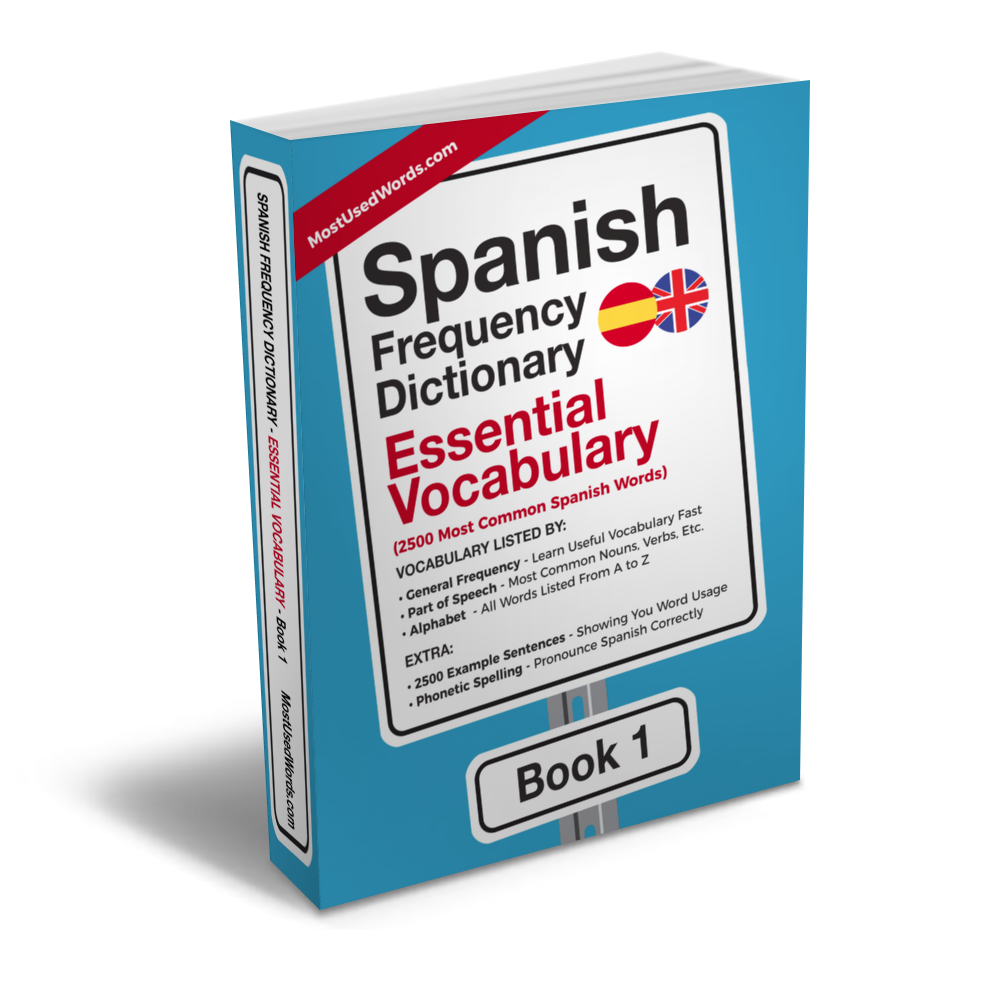
2,500 most common Spanish words with IPA pronunciation & bilingual example sentences
How to Say "Sister-In-Law" in Spanish
In Spanish, the term for sister-in-law can vary depending on your specific relationship within the family. Here are some common terms:
- Cuñada (IPA: /kuˈɲaða/): This widely used term refers to the sister of your spouse or the wife of your sibling.
- Hermana política (IPA: /eɾˈmana poˈlitika/): Although less common, this term is still understood in many regions and denotes the sister of your spouse.
- Cuñada política (IPA: /kuˈɲaða poˈlitika/): Similar to "hermana política," this term describes the sister of your spouse. It's particularly used in regions where "cuñada" is reserved for a sibling’s wife.
Cultural Context and Alternative Terms
Want to improve your Spanish?
The Spanish Frequency Dictionary series covers the 10,000 most common Spanish words — ranked by how often native speakers actually use them, with IPA pronunciation, English translations, and bilingual example sentences at every level.
Browse all 4 volumes →The term "sister-in-law" represents a significant bond within the family structure, often shared through special moments and contributing to overall dynamics. In some Spanish-speaking regions, alternative terms like "cuñada política" are used more frequently.
Sample Sentences for Sister-In-Law in Spanish
Here are five sample sentences you can use:
- Mi cuñada está organizando una fiesta sorpresa.
- Ayer conocí a mi nueva hermana política.
- ¿Has hablado con tu cuñada política recientemente?
- Mi hermana se lleva muy bien con su cuñada.
- Quiero invitar a mi cuñada y a su esposo a cenar.
(My sister-in-law is organizing a surprise party.)
(Yesterday, I met my new sister-in-law.)
(Have you spoken to your sister-in-law's sister recently?)
(My sister gets along very well with her sister-in-law.)
(I want to invite my sister-in-law and her husband to dinner.)

Build Your Spanish Vocabulary Systematically
The fastest way to grow your Spanish vocabulary is to start with the words you'll actually encounter every day. The Spanish Frequency Dictionary covers the 2,500 most common Spanish words, each with IPA pronunciation, an English translation, and bilingual example sentences.
Browse the full range of Spanish frequency dictionaries to find the volume that matches your level.