How to Say Sausage in Spanish | MostUsedWords.com
As of 2026, the word for "sausage" in Spanish is salchicha (IPA: /salˈtʃi.tʃa/). This article delves into the translation, meaning, and regional variations of sausages across Spanish-speaking countries. We also explore different kinds of sausages in Spanish, providing a comprehensive guide for language enthusiasts and travelers alike.

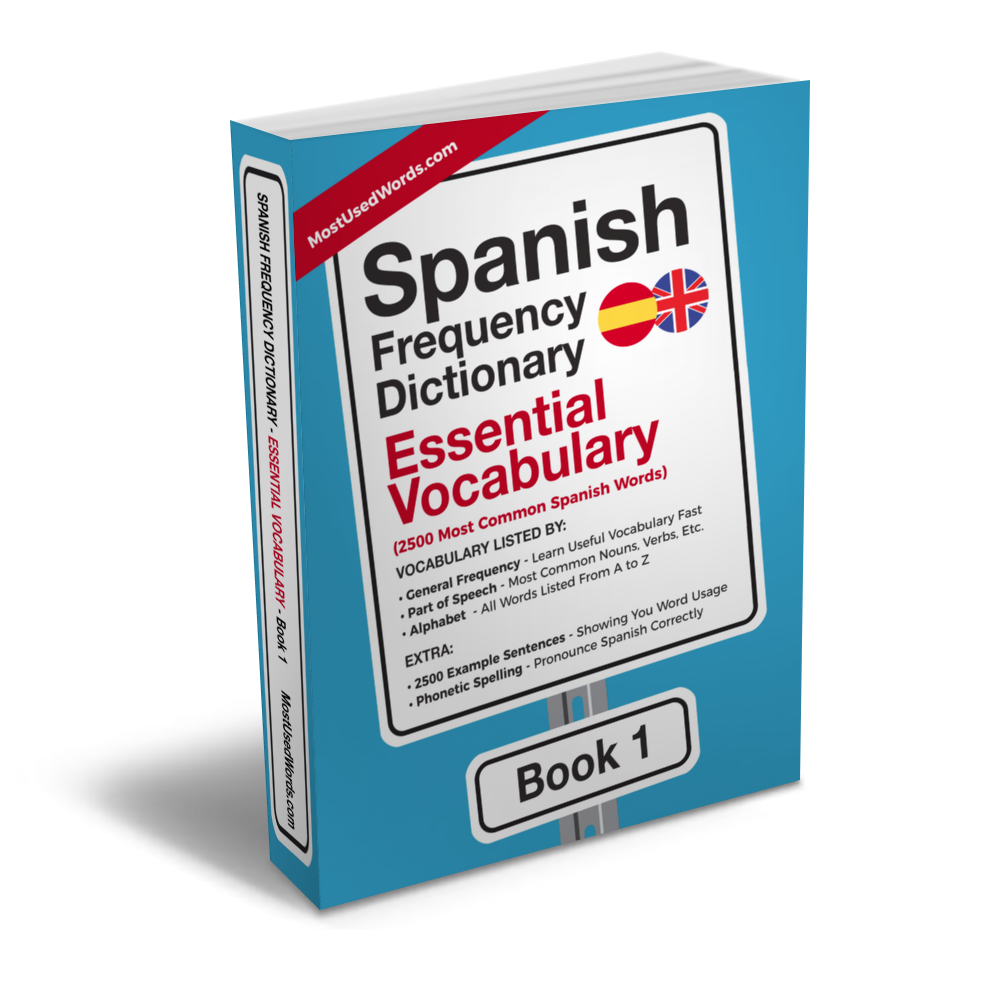
2,500 most common Spanish words with IPA pronunciation & bilingual example sentences
What is "Sausage" in Spanish?
The term salchicha refers to the general concept of sausage across many Spanish-speaking countries. However, regional variations exist, and different regions have their own terms for specific types of sausages.
Meaning of "Sausage" in Spanish: Regional Variations
Want to improve your Spanish?
The Spanish Frequency Dictionary series covers the 10,000 most common Spanish words — ranked by how often native speakers actually use them, with IPA pronunciation, English translations, and bilingual example sentences at every level.
Browse all 4 volumes →In addition to salchicha, there are several other words used across Spanish-speaking countries to describe various kinds of sausages:
- Embutido (IPA: /em.buˈti.ðo/): Refers to any type of cured or cooked sausage, made from pork, beef, or other meats, seasoned and encased in natural or synthetic casings.
- Longaniza (IPA: /lon.ɡaˈni.sa/): A popular pork sausage found in Spain and Latin America, seasoned with spices and herbs, available fresh or cured.
- Chorizo (IPA: /tʃo.ˈɾi.so/): A well-known Spanish sausage made from pork, paprika, garlic, and other spices, either cured or fresh, known for its distinctive red color and smoky flavor.
- Morcilla (IPA: /moɾ.ˈθi.ʎa/): Also called blood sausage, it is made from pork blood, fat, and seasonings, with a dark color and unique taste.
- Salchichón (IPA: /sal.tʃiˈtʃon/): A dry-cured sausage similar to salami, seasoned with garlic, pepper, and other spices, offering a firm texture.
- Butifarra (IPA: /bu.ti.ˈfar.ra/): A traditional Catalan sausage made from pork, seasoned with cinnamon, nutmeg, and pepper, available cooked or cured.
- Lomo (IPA: /ˈlomo/): In Spain, this term refers to a type of dry-cured ham-like sausage that is often served sliced as an appetizer.
- Chistorra (IPA: /tʃi.ˈθor.a/): A thin, spicy Spanish sausage made from pork and seasoned with paprika and garlic, typically grilled or fried.
The history of sausages in Spanish-speaking countries is rich and diverse, reflecting the cultural influences and culinary traditions that have shaped these regions over centuries. From Spain to Mexico, each country has its own unique varieties of sausages that are an integral part of their cuisine.
How to Say "Sausage" in Spanish: Sample Sentences
To help you use the term salchicha and other regional terms effectively, here are five sample sentences:
- Me gustaría pedir una pizza de salchicha.
(I would like to order a sausage pizza)
- ¿Qué tipos de salchichas tienen?
(What types of sausages do you have?)
- ¿Me podría dar un perro caliente con salchicha y mostaza, por favor?
(Can I have a hot dog with sausage and mustard, please?)
- ¿Tienes salchichas vegetarianas disponibles?
(Do you have vegetarian sausages available?)
- ¿Cuál es la salchicha típica de la región en México?
(What is the regional specialty sausage in Mexico?)
Build Your Spanish Vocabulary Systematically
The fastest way to grow your Spanish vocabulary is to start with the words you'll actually encounter every day. The Spanish Frequency Dictionary covers the 2,500 most common Spanish words, each with IPA pronunciation, an English translation, and bilingual example sentences.
Browse the full range of Spanish frequency dictionaries to find the volume that matches your level.