How to Say Read Something in Spanish | MostUsedWords.com
Updated for 2026, the phrase "read something" in Spanish is expressed as "leer algo".
In this article, we will explore various ways to use "leer algo" in different contexts and provide sample sentences to help you understand how it's used. We'll also compare its usage with other languages and offer pronunciation tips for non-native speakers.
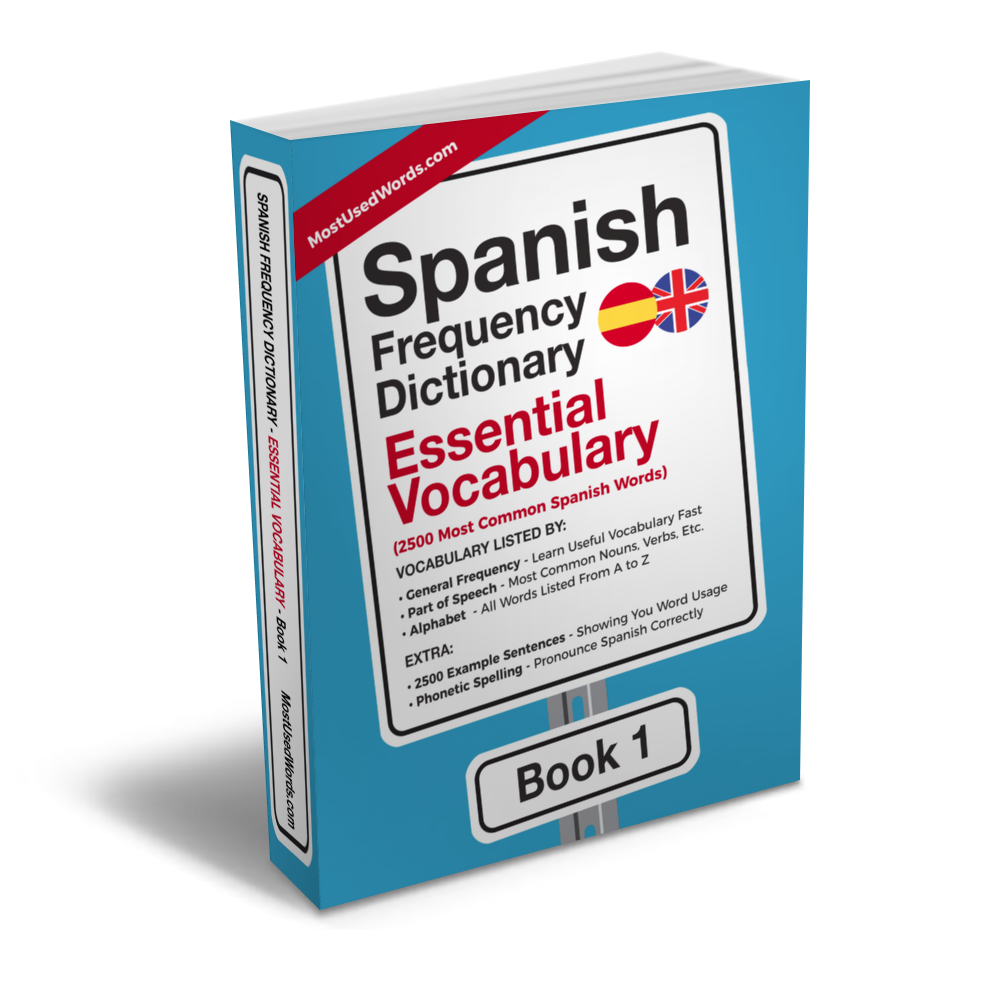
2,500 most common Spanish words with IPA pronunciation & bilingual example sentences
What is "Read Something" in Spanish?
The phrase "read something" refers to the act of looking at and understanding written words. In Spanish, the verb for "read" is "leer" (IPA: /leˈeɾ).
Meaning of "Read Something" in Spanish
Want to improve your Spanish?
The Spanish Frequency Dictionary series covers the 10,000 most common Spanish words — ranked by how often native speakers actually use them, with IPA pronunciation, English translations, and bilingual example sentences at every level.
Browse all 4 volumes →If you're asking yourself, "what is 'read something' in Spanish?" the answer is "leer algo" (IPA: /leˈeɾ ˈalɡo/). "Algo" means "something" in Spanish, so when you combine it with "leer", you get the phrase "leer algo", which translates to "read something".
Translating "Read Something" to Spanish
To translate "read something" to Spanish, you can use the phrase "leer algo". It's important to note that "leer" is a regular -ER verb, so it follows the same conjugation pattern as other -ER verbs in Spanish. Here are some examples of how to conjugate "leer" in different tenses:
- Present Tense: Yo leo (I read), tú lees (you read), él/ella lee (he/she reads), nosotros/nosotras leemos (we read), vosotros/vosotras leéis (you all read), ellos/ellas leen (they read).
- Past Tense: Yo leí (I read), tú leíste (you read), él/ella leyó (he/she read), nosotros/nosotras leímos (we read), vosotros/vosotras leísteis (you all read), ellos/ellas leyeron (they read).
- Future Tense: Yo leeré (I will read), tú leerás (you will read), él/ella leerá (he/she will read), nosotros/nosotras leeremos (we will read), vosotros/vosotras leeréis (you all will read), ellos/ellas leerán (they will read).
Sample Sentences Using "Leer Algo"
To better understand how to use "leer algo" in context, here are some sample sentences:
- "¿Puedes leer algo para mí?" (Can you read something for me?)
- "No tengo nada que leer hoy." (I have nothing to read today.)
- "Ella siempre lee algo antes de dormir." (She always reads something before sleeping.)
Pronunciation Tips for Non-Native Speakers
When pronouncing "leer algo", it's important to note the stress on each word. The verb "leer" is stressed on the second syllable, while "algo" is stressed on the first syllable.
Regional Differences and Cultural Insights
Like any language, Spanish has regional differences. In some Spanish-speaking countries, you may hear different phrases or variations of the language. Here are some examples:
- In Spain, you may hear "leer algo" or "leer algo a alguien", which means "read something to someone".
- In Latin America, it's common to use "leer un libro" (to read a book) instead of just saying "leer algo".
Build Your Spanish Vocabulary Systematically
The fastest way to grow your Spanish vocabulary is to start with the words you'll actually encounter every day. The Spanish Frequency Dictionary covers the 2,500 most common Spanish words, each with IPA pronunciation, an English translation, and bilingual example sentences.
Browse the full range of Spanish frequency dictionaries to find the volume that matches your level.