How to Say Read in Spanish - MostUsedWords.com
As of 2026, the word for "read" in Spanish is "leer." This article will guide you on how to use this verb effectively in various contexts.
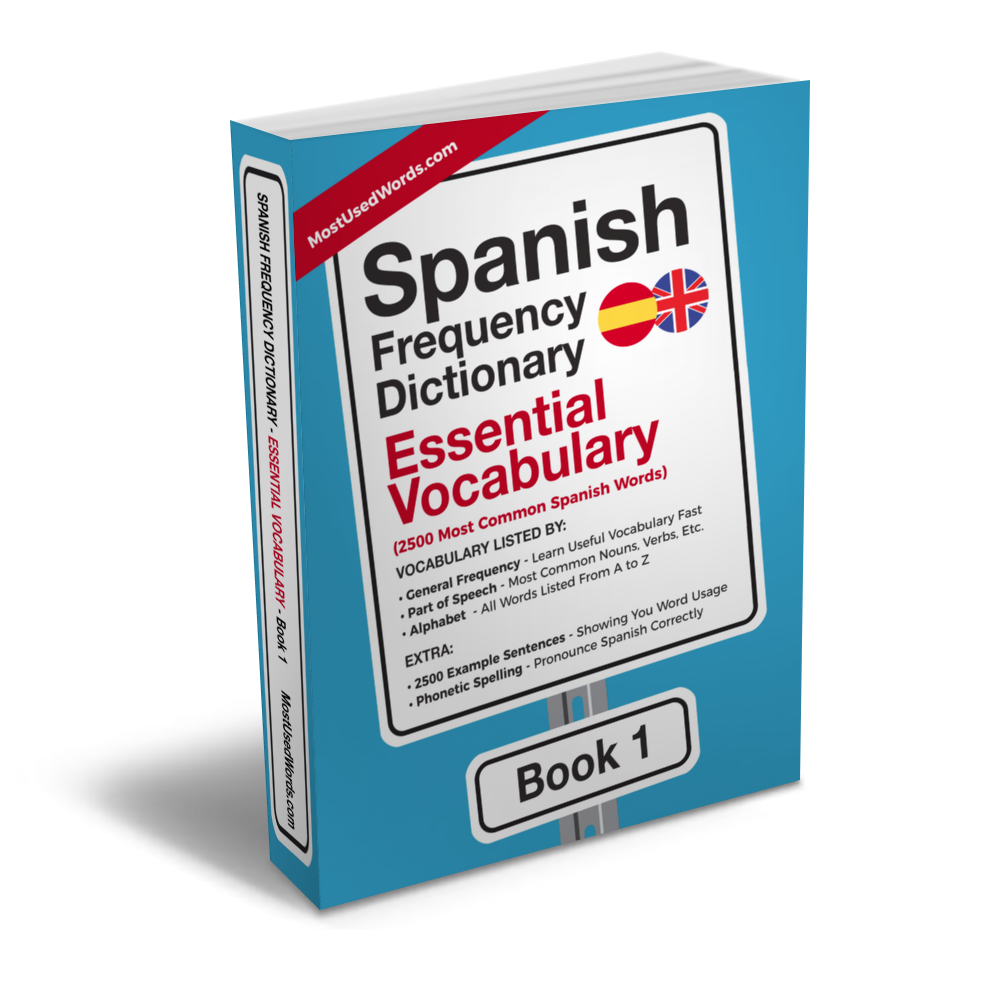
2,500 most common Spanish words with IPA pronunciation & bilingual example sentences
How to Say 'Read' in Spanish
The Spanish verb for "to read" is "leer," pronounced as /leˈeɾ/. Understanding the usage of "leer" can significantly enhance your conversational skills. Here are some examples and variations:
Pronunciation Guide and Examples
Want to improve your Spanish?
The Spanish Frequency Dictionary series covers the 10,000 most common Spanish words — ranked by how often native speakers actually use them, with IPA pronunciation, English translations, and bilingual example sentences at every level.
Browse all 4 volumes →Listen to the pronunciation of "leer" and practice with these examples:
- Present Tense
- I read: Yo leo (IPA: /ˈʝo ˈle.o/)
- You read: Tú lees (IPA: /ˈtu ˈle.es/)
- He/she/you read: Él/ella/usted lee (IPA: /ˈel/ˈe.ʎa/uˈsteð ˈle.e/)
- Past Tense
- I read: Yo leí (IPA: /ˈʝo leˈi/)
- You read: Tú leíste (IPA: /ˈtu leˈiste/)
- He/she/you read: Él/ella/usted leyó (IPA: /ˈel/ˈe.ʎa/uˈsteð leˈʝo/)
"Leer" can also be used in formal and informal settings, such as reading a book or discussing literature.
Usage in Different Contexts
In addition to the basic forms of "leer," here are some common phrases:
- To read a book: Leer un libro (IPA: /ˈle.eɾ uŋ ˈli.βɾo/)
- To read an article: Leer un artículo (IPA: /ˈle.eɾ uŋ aɾˈti.ku.ʎo/)
Note that "read" is also used in literature and media contexts, such as discussing books or articles.
Cultural Context and Common Phrases
Understanding the cultural context of reading in Spanish-speaking countries can enrich your language learning experience. For instance:
- To read a newspaper: Leer un periódico (IPA: /ˈle.eɾ uŋ pe.rioˈði.ko/)
- To read the news: Leer las noticias (IPA: /ˈle.eɾ las no.tiˈθjas/)
In Spanish, as in other languages like French or Italian, "read" can have different nuances depending on the context.
Build Your Spanish Vocabulary Systematically
The fastest way to grow your Spanish vocabulary is to start with the words you'll actually encounter every day. The Spanish Frequency Dictionary covers the 2,500 most common Spanish words, each with IPA pronunciation, an English translation, and bilingual example sentences.
Browse the full range of Spanish frequency dictionaries to find the volume that matches your level.