How to Say Rain in Spanish | MostUsedWords.com
As of 2026, learning the word "rain" in Spanish is crucial for anyone expanding their weather vocabulary. In Spanish, "rain" is translated as lluvia (IPA: /'ʎu.βja/), a term used consistently across all Spanish-speaking regions.
Understanding how to use "lluvia" in different contexts and its grammatical nuances can significantly enhance your language skills. This feminine noun requires the use of appropriate articles and adjectives, such as la lluvia (the rain) or lluviosa (rainy).
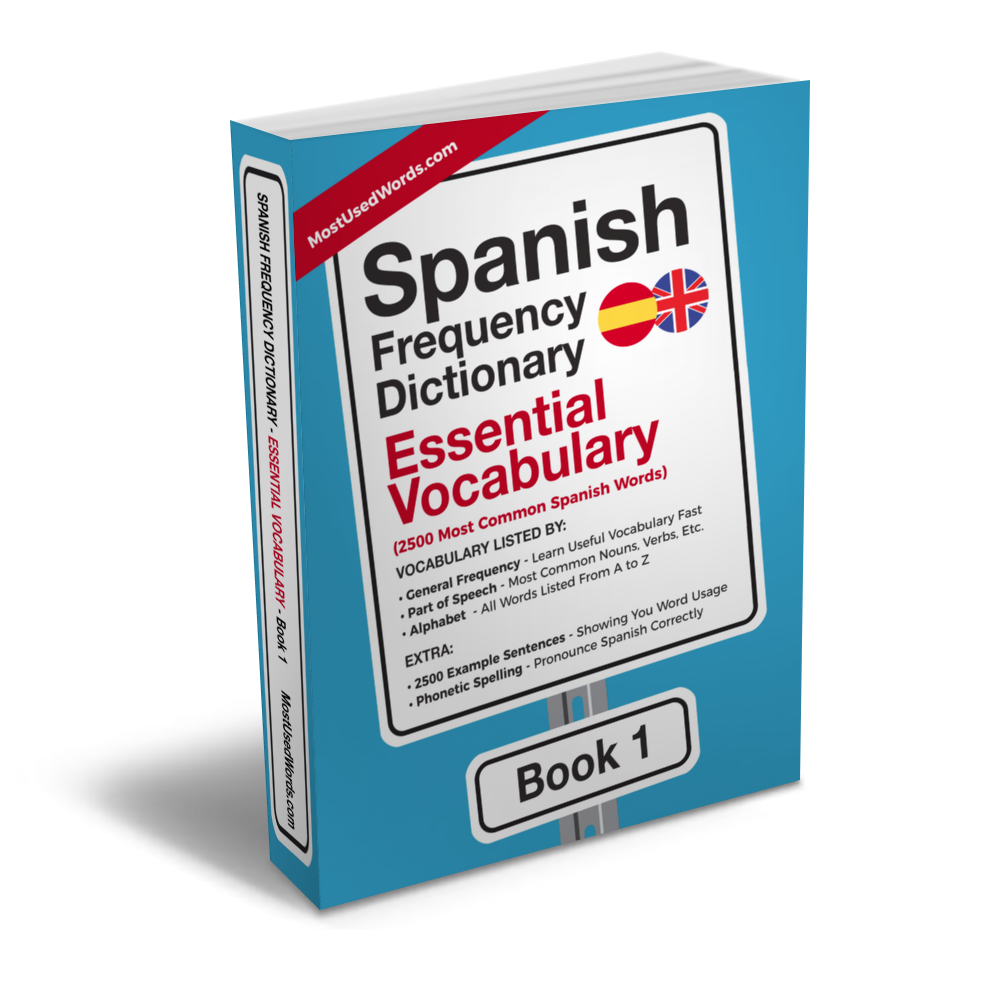
2,500 most common Spanish words with IPA pronunciation & bilingual example sentences
Meaning of "Rain" in Spanish
Lluvia signifies the precipitation of water droplets from the atmosphere, providing nourishment to the earth and sustaining life. Rain is an essential element of nature, and knowing how to express it accurately in Spanish is vital for effective communication about weather conditions.
Synonyms of "Rain" in Spanish
Want to improve your Spanish?
The Spanish Frequency Dictionary series covers the 10,000 most common Spanish words — ranked by how often native speakers actually use them, with IPA pronunciation, English translations, and bilingual example sentences at every level.
Browse all 4 volumes →Here are some synonyms of "rain" in Spanish along with their definitions:
- Aguacero (IPA: /aɣwaˈθeɾo/): Downpour or heavy rain. It signifies a sudden and intense rainfall, often accompanied by strong winds.
- Chaparrón (IPA: /tʃapaˈron/): Shower or cloudburst. It refers to a brief but heavy rainfall that lasts for a short period.
- Precipitación (IPA: /pɾesiπitaˈθjon/): Precipitation. It encompasses any form of water that falls from the atmosphere to the Earth's surface, including rain, snow, sleet, or hail.
- Tormenta (IPA: /toɾˈmenta/): Storm. It indicates a disturbance in the atmosphere characterized by strong winds, heavy rain, lightning, and thunder.
- Chubasco (IPA: /tʃuˈβasko/): Squall or shower. It refers to a sudden and violent rainstorm, usually accompanied by gusty winds.
- Aguacera (IPA: /aɣwaˈθeɾa/): Heavy rain or heavy shower. It denotes a significant amount of rainfall occurring within a relatively short period.
- Diluvio (IPA: /diˈluβjo/): Deluge or flood. It signifies an exceptionally heavy and continuous rainfall that can result in flooding.
- Gotas (IPA: /ˈɡotas/): Drops. It refers to individual droplets of rain, emphasizing the smaller units that make up the overall rainfall.
- Llovizna (IPA: /ʎoβiθˈna/): Drizzle or mist. It denotes a very light rain characterized by fine droplets that fall slowly.
How to Use "Lluvia" in Different Contexts
To effectively use the term lluvia, it's important to understand its various applications. For example, you can say:
- Está lloviendo. (It is raining.)
- No me gusta la lluvia. (I don't like the rain.)
- Hoy ha habido mucha lluvia. (There was a lot of rain today.)
Idiomatic Expressions Related to Rain in Spanish
Spanish also features several idiomatic expressions involving lluvia:
- No llueve a gusto de todos. (It doesn't rain on everyone's parade.)
- Llueve sobre mojado. (It rains on the wet.) This expression means that something bad happens to someone who is already in an unfortunate situation.
Comparison with Other Languages
While "rain" translates directly as lluvia in Spanish, other languages may use different terms. For instance:
- French: Pluie (IPA: /plɥi/)
- German: Regen (IPA: /ˈʁeːɡn̩/)

Build Your Spanish Vocabulary Systematically
The fastest way to grow your Spanish vocabulary is to start with the words you'll actually encounter every day. The Spanish Frequency Dictionary covers the 2,500 most common Spanish words, each with IPA pronunciation, an English translation, and bilingual example sentences.
Browse the full range of Spanish frequency dictionaries to find the volume that matches your level.