How to Say Preterite Endings in Spanish | MostUsedWords.com
As of 2026, understanding verb conjugation is essential when learning Spanish. The preterite tense, or "preterit tense in Spanish," is crucial for expressing completed actions in the past. This article delves into the meaning and use of "preterite endings" in Spanish, including irregular forms, comparisons with other past tenses like imperfect, and common mistakes to avoid.

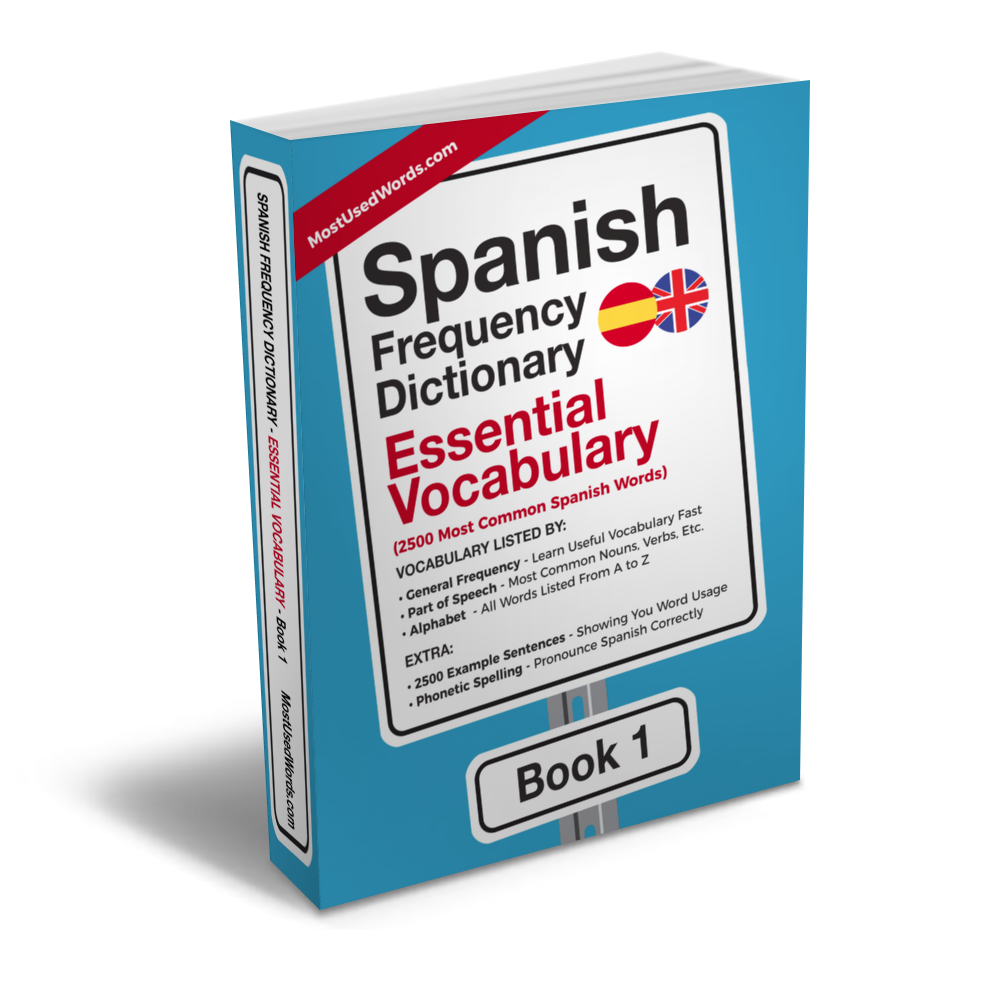
2,500 most common Spanish words with IPA pronunciation & bilingual example sentences
What are Preterite Endings in Spanish?
The preterite endings in Spanish refer to the inflectional changes that verbs undergo to indicate completed actions in the past. These endings vary based on the verb's infinitive form and are crucial for accurate verb conjugation. The preterite tense contrasts with other past tenses like the imperfect, which is used for ongoing or habitual actions.
Meaning of Preterite Endings
Want to improve your Spanish?
The Spanish Frequency Dictionary series covers the 10,000 most common Spanish words — ranked by how often native speakers actually use them, with IPA pronunciation, English translations, and bilingual example sentences at every level.
Browse all 4 volumes →The "preterite endings" in Spanish represent specific inflections that verbs take to indicate a completed action in the past. Understanding these endings is essential for effective communication about past events. For example, regular -ar verbs like "hablar" (to speak) change their ending from "-ar" to "-é," "-aste," "-ó," "-amos," "-asteis," and "-aron."
Irregular Preterite Endings
Many common Spanish verbs have irregular preterite endings. For instance, the verb "ir" (to go) changes to "fui," "fuiste," "fue," "fuimos," "fuisteis," and "fueron." Another example is "ser" (to be), which becomes "fui," "fuiste," "fue," "fuimos," "fuisteis," and "fueron."
Comparison with Other Past Tenses
The preterite tense differs from the imperfect in that it is used for specific, completed actions. In contrast, the imperfect describes ongoing or habitual past actions without a definite endpoint. For example, "Yo comí una manzana" (I ate an apple) uses the preterite to describe a single action, while "Yo comía una manzana" (I was eating an apple) uses the imperfect.
Common Mistakes with Preterite Endings
A common mistake is confusing the use of preterite and imperfect tenses. Another frequent error is forgetting irregular verb forms, such as "dar" (to give), which changes to "dije," "diste," "dio," "dimos," "disteis," and "dieron." Practicing with sample sentences can help solidify these concepts.
Sample Sentences Using Preterite Endings
Here are five sample sentences using preterite endings:
- Las terminaciones del pretérito en español son diferentes de las del presente.
(The preterite endings in Spanish are different from those in the present tense.)
- Necesito estudiar las terminaciones del pretérito para poder hablar correctamente en español.
(I need to study the preterite endings to be able to speak Spanish correctly.)
- ¿Puedes decirme las terminaciones del pretérito del verbo "hablar"?
(Can you tell me the preterite endings of the verb "hablar"?)
- El profesor nos enseñó las desinencias del pretérito de los verbos regulares.
(The teacher taught us the preterite endings of regular verbs.)
- No entendí las terminaciones del pretérito irregular, así que tengo que repasarlas.
(I didn't understand the irregular preterite endings, so I have to review them.)
Build Your Spanish Vocabulary Systematically
The fastest way to grow your Spanish vocabulary is to start with the words you'll actually encounter every day. The Spanish Frequency Dictionary covers the 2,500 most common Spanish words, each with IPA pronunciation, an English translation, and bilingual example sentences.
Browse the full range of Spanish frequency dictionaries to find the volume that matches your level.