How to Say Pray for Me in Spanish | MostUsedWords.com
Updated for 2026, "pray for me" in Spanish is expressed as reza por mí (IPA: /ˈɾeθa poɾ mi/). This phrase encapsulates a request for spiritual support or positive thoughts from others.
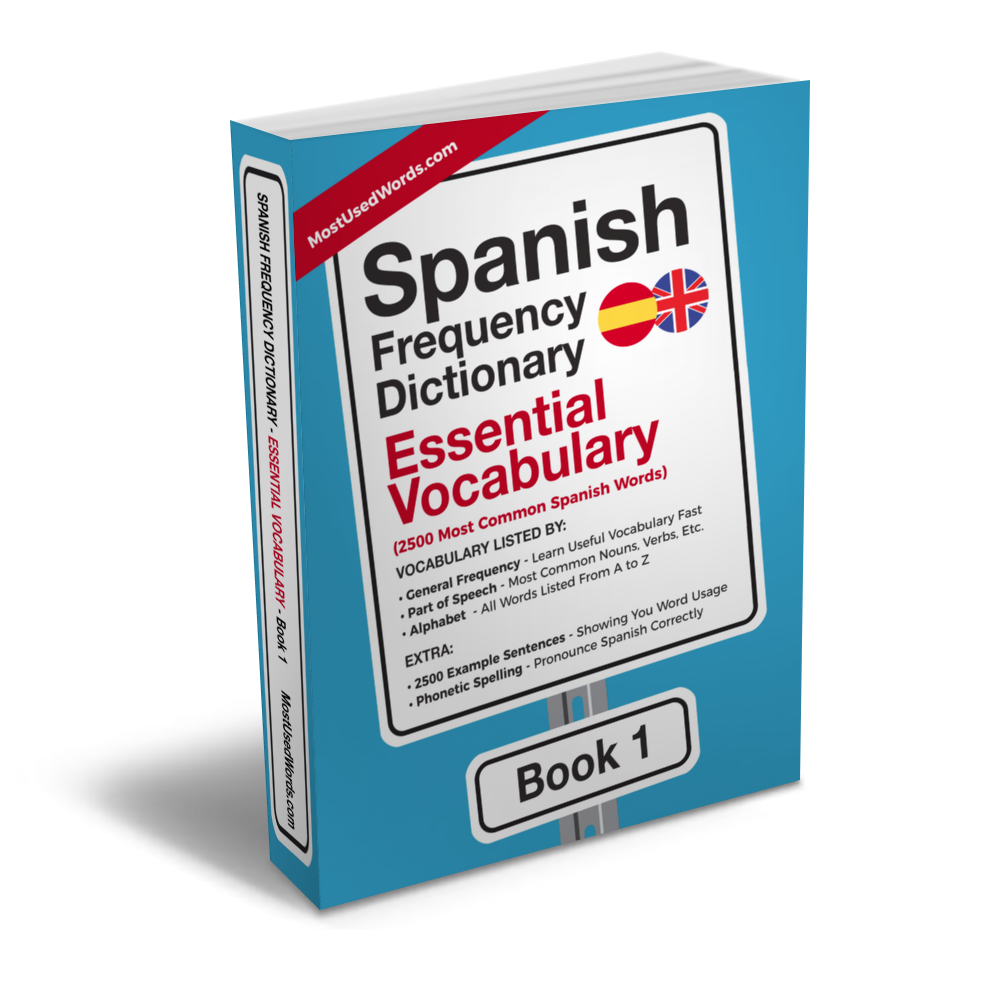
2,500 most common Spanish words with IPA pronunciation & bilingual example sentences
Understanding "Pray For Me" in Spanish
In the context of Spanish-speaking cultures, "pray for me" is not just a linguistic expression but also a deeply rooted cultural and religious practice. The act of asking someone to pray for you can be seen as an important form of spiritual support.
Meaning and Usage
Want to improve your Spanish?
The Spanish Frequency Dictionary series covers the 10,000 most common Spanish words — ranked by how often native speakers actually use them, with IPA pronunciation, English translations, and bilingual example sentences at every level.
Browse the full series →The phrase "reza por mí" translates literally to "pray for me" in English, but it carries a deeper significance within Spanish-speaking communities. It is often used when someone is going through a difficult time or needs spiritual guidance.
How to Use "Reza Por Mí" in Different Contexts
To effectively use "reza por mí", consider the following examples:
- When you're facing a tough situation: “Estoy pasando por un momento difícil, reza por mí.” (I'm going through a difficult time, pray for me.)
- To ask for prayers during illness: “Necesito tu oración durante esta enfermedad, reza por mí.” (I need your prayer during this illness, pray for me.)
- In times of personal struggle: “Estoy luchando con algo importante en mi vida, reza por mí.” (I'm struggling with something important in my life, pray for me.)
Cultural Significance of Asking for Prayers in Spanish-Speaking Countries
In many Spanish-speaking countries, the act of asking someone to pray for you is a common practice that reflects both religious and cultural traditions. It serves as a way to seek spiritual support from friends, family, or community members.
Religious Contexts
The Catholic Church plays a significant role in many Spanish-speaking countries, making the act of praying for others an integral part of daily life. This practice extends beyond religious boundaries and is often seen as a form of solidarity and support among people from different backgrounds.
Alternative Phrases or Synonyms for "Pray For Me" in Spanish
While "reza por mí" is the most common phrase, there are other ways to express similar sentiments:
- Déjame en tus oraciones: (Put me in your prayers)
- Ora por mi bienestar: (Pray for my well-being)
- Mandale una oración a Dios por mí: (Send a prayer to God for me)
Frequently Asked Questions
How do you say "pray for me" in Spanish?
The phrase "reza por mí" is the most common way to express "pray for me" in Spanish.
What does "ask someone to pray for you" mean in Spanish?
To ask someone to pray for you, you would say "Reza por mí" or "Déjame en tus oraciones". This request is often made during times of need.
Is "pray for me" a common phrase in Spanish?
Yes, it is quite common. In many Spanish-speaking cultures, asking someone to pray for you is seen as an act of solidarity and support.
What are some alternative ways to say "pray for me" in Spanish?
Alternative phrases include "Déjame en tus oraciones", "Ora por mi bienestar", and "Mandale una oración a Dios por mí". Each phrase conveys the same sentiment but with slight variations.
Build Your Spanish Vocabulary Systematically
The fastest way to grow your Spanish vocabulary is to start with the words you'll actually encounter every day. The Spanish Frequency Dictionary covers the 2,500 most common Spanish words, each with IPA pronunciation, an English translation, and bilingual example sentences.
Browse the full range of Spanish frequency dictionaries to find the volume that matches your level.