How to Say Pencil in Spanish | MostUsedWords.com
As of 2026, the word for pencil in Spanish is "lápiz" (IPA: /ˈla.pis/). This article will guide you through how to say and use "pencil" in Spanish, including its pronunciation tips, sample sentences, and cultural significance.
The term "lápiz" is a masculine noun that requires the use of articles such as "el" (the) and "un" (a). Pronouncing this correctly can be challenging for non-native speakers, so remember to place an accent on the 'í' in lápiz. This guide will also cover how to say pencil-related phrases in Spanish.
How-to-say-pencil-in-spanish-phrasebook: To help you learn more about pencils and related items in Spanish, we've included a variety of sample sentences using "lápiz." For example:
- ¿Me prestas un lápiz?
- Necesito un lápiz para hacer esta tarea.
- Tengo que comprar un lápiz nuevo.
(Can you lend me a pencil?)
(I need a pencil to do this task.)
(I have to buy a new pencil.)
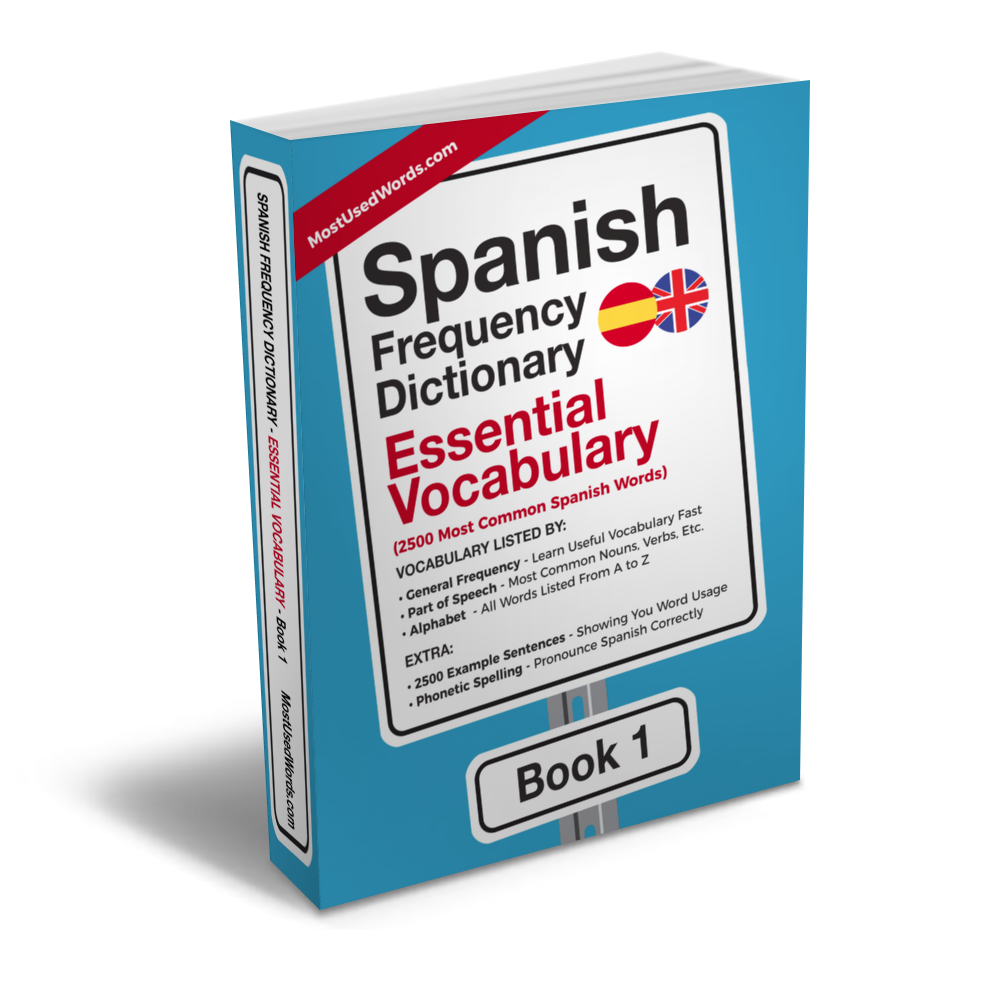
2,500 most common Spanish words with IPA pronunciation & bilingual example sentences
Usage of 'Lápiz' in Digital Contexts
In digital contexts, "lápiz" is commonly used when referring to writing tools or drawing applications. For instance, you might see it mentioned in software descriptions for graphic tablets and design programs.
Differences Between Spanish and Other Languages
Want to improve your Spanish?
The Spanish Frequency Dictionary series covers the 10,000 most common Spanish words — ranked by how often native speakers actually use them, with IPA pronunciation, English translations, and bilingual example sentences at every level.
Browse all 4 volumes →While the word "lápiz" is standard across most Spanish-speaking regions, other languages may use different terms. In French, for example, a pencil is called "crayon", while in German it's "Bleistift". Understanding these differences can help you communicate effectively when traveling or working internationally.
Spanish Pen and Pencil Differences
In Spanish, "lápiz" specifically refers to a pencil with a graphite core. If you're looking for a pen in Spanish, the term is "boli" (short for bolígrafo) or simply "pluma". This distinction is important when shopping for writing tools.
Usage Across Different Countries
In some Latin American countries, such as Mexico and parts of Central America, the term "lápiz" can also be used to describe applying lipstick. For example, "lápiz labial" means both "lipstick" and "to put on lipstick."
Pronunciation Tips for Non-Native Speakers
To pronounce "lápiz" correctly, stress the second syllable: /ˈla.pis/. The accent mark over the 'í' is crucial as it indicates this stressed pronunciation.
Etymology of 'Lápiz'
The word "lápiz" has an interesting history. It is derived from the Latin term "lapidem", meaning stone, which refers to the lead-like material used in early pencils.
Regional Differences
In some Spanish-speaking countries, regional variations exist for the term "pencil." For instance, in Mexico, you might hear "pluma" (IPA: /ˈplu.ma/) while in Spain, people often use "bolígrafo" (IPA: /bo.ˈli.ɣɾa.fo/) to refer to a ballpoint pen instead of "lápiz." However, across all Spanish-speaking nations, "lápiz" remains the most commonly used term.
Cultural Significance
Pencils hold cultural significance in many Spanish-speaking communities, often symbolizing education and learning. They are frequently featured in literature and art as symbols of intellectual pursuits.
Build Your Spanish Vocabulary Systematically
The fastest way to grow your Spanish vocabulary is to start with the words you'll actually encounter every day. The Spanish Frequency Dictionary covers the 2,500 most common Spanish words, each with IPA pronunciation, an English translation, and bilingual example sentences.
Browse the full range of Spanish frequency dictionaries to find the volume that matches your level.