How to Say Ordinal Numbers in Spanish | MostUsedWords.com
As of 2026, understanding how to say ordinal numbers in Spanish is crucial for anyone looking to enhance their language skills. These numbers are used to indicate the position or order of items in a series.
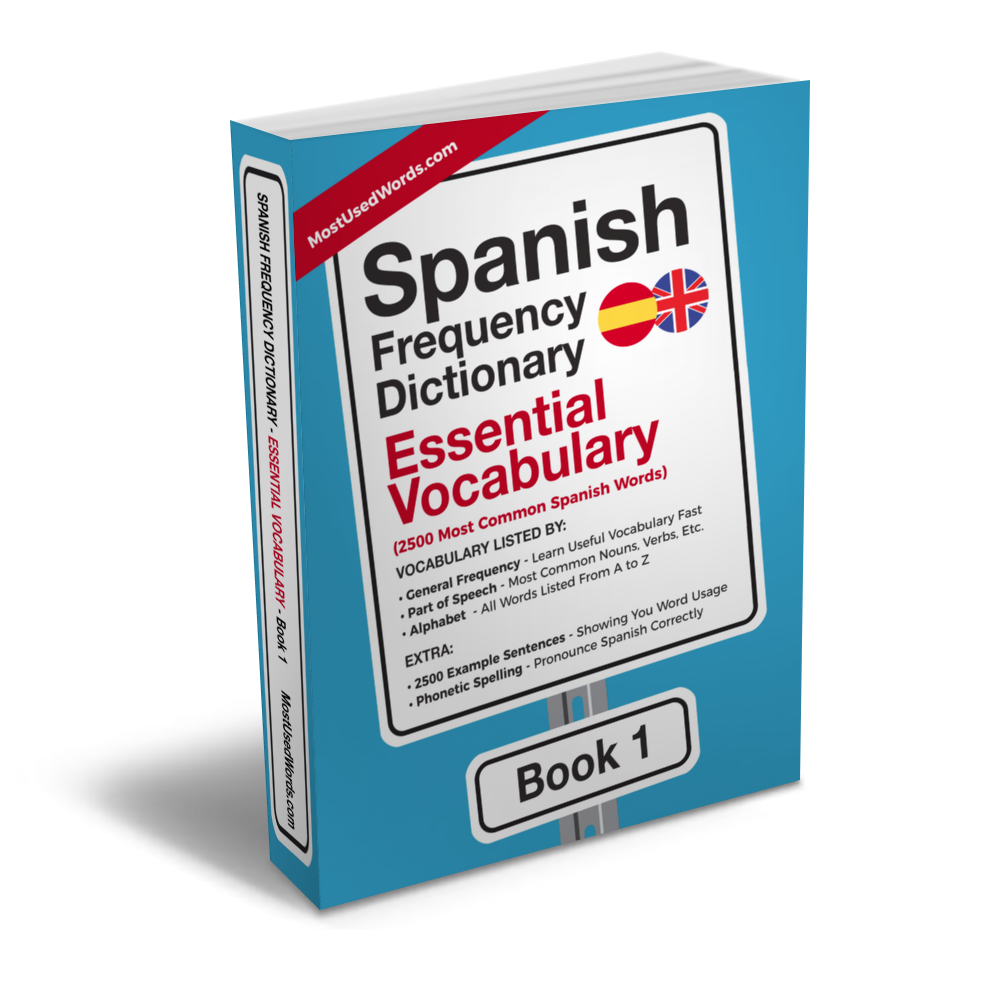
2,500 most common Spanish words with IPA pronunciation & bilingual example sentences
What Are Ordinal Numbers in Spanish?
In Spanish, ordinal numbers are called números ordinales (IPA: /ˈnumeɾos oɾdiˈnales/). These numbers convey the order, rank, or position of something in a sequence. They differ from cardinal numbers, which represent quantity.
Meaning and Usage
Want to improve your Spanish?
The Spanish Frequency Dictionary series covers the 10,000 most common Spanish words — ranked by how often native speakers actually use them, with IPA pronunciation, English translations, and bilingual example sentences at every level.
Browse all 4 volumes →Ordinal numbers are used to indicate the position or order of elements in a series. For example, they can be employed when referring to dates, ranking individuals, describing a sequence of events, or discussing the order of objects. In sports rankings and legal documents, ordinal numbers play a significant role as well.
How to Form Ordinal Numbers in Spanish
To form ordinal numbers in Spanish, the suffix "-o" is usually added to the corresponding cardinal number. For example:
- Primer (first)
- Segundo (second)
- Tercero (tercero)
Note that some ordinal numbers have irregular forms, such as primero, tercero, and cuarto.
Pronunciation Guide for Ordinal Numbers
- Primer (first): /ˈpri.mɛɾ/
- Segundo (second): /se.ˈɣun.do/
- Tercero (third): /ter.ˈθe.ro/
Usage in Dates and Years
In Spanish, ordinal numbers are used to express dates and years. For instance:
- El 1º de enero (January 1st)
- Año 2023 (Year 2023)
Usage in Legal Documents
In legal documents, ordinal numbers are used to denote the order of items or clauses. For example:
- Artículo primero (First Article)
- Clausura segunda (Second Clause)
Sample Sentences with Ordinal Numbers
To better understand how to use ordinal numbers in Spanish, here are some sample sentences:
- Él es el segundo en la lista de espera. (He is second on the waiting list.)
- Ella ganó el primer premio. (She won first prize.)
- Hoy es el décimo aniversario de nuestra boda. (Today is our tenth wedding anniversary.)
Regional Variations in Pronunciation and Spelling
There are regional variations in how ordinal numbers are pronounced and spelled. For example:
- Décimo (Spain)
- Décième (Latin America)
Ordinal Numbers Chart
A chart of ordinal numbers can be a helpful tool for memorization and quick reference. Here is an example:
| Cardinal Number | Ordinal Number (Spain) | Ordinal Number (Latin America) |
|---|---|---|
| Uno | Primero | Primer |
| Dos | Segundo | Segundo |
| Tres | Tercero | Tercer |
Build Your Spanish Vocabulary Systematically
The fastest way to grow your Spanish vocabulary is to start with the words you'll actually encounter every day. The Spanish Frequency Dictionary covers the 2,500 most common Spanish words, each with IPA pronunciation, an English translation, and bilingual example sentences.
Browse the full range of Spanish frequency dictionaries to find the volume that matches your level.