How to Say Notebook in Spanish | MostUsedWords.com
Updated for 2026, "notebook" translates to cuaderno (IPA: /kwaˈðeɾno/) in Spanish. This guide delves into the nuances of using this term across various contexts.

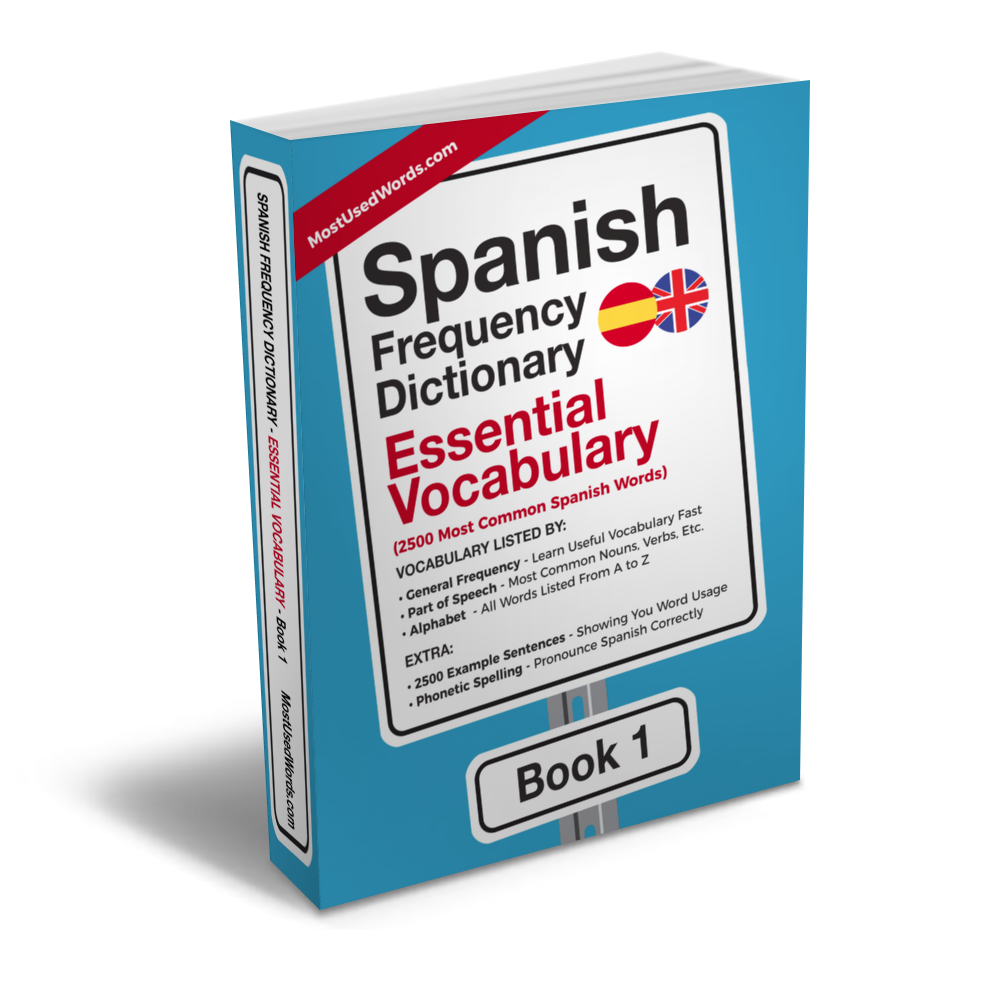
2,500 most common Spanish words with IPA pronunciation & bilingual example sentences
What is "Notebook" in Spanish?
The word "notebook" translates to cuaderno (IPA: /kwaˈðeɾno/) in Spanish. This term refers to a book with blank or ruled pages used for writing, taking notes, or drawing. It is an essential tool across various contexts, from education and professional settings to personal use.
Meaning of "Notebook" in Spanish
Want to improve your Spanish?
The Spanish Frequency Dictionary series covers the 10,000 most common Spanish words — ranked by how often native speakers actually use them, with IPA pronunciation, English translations, and bilingual example sentences at every level.
Browse all 4 volumes →In Spanish, "cuaderno" is a versatile tool used by students, professionals, and individuals for various purposes such as jotting down ideas, organizing thoughts, or keeping track of information. It's also worth noting that in digital contexts, the term blocknote refers to a digital notebook or note-taking app. However, this is distinct from the traditional paper-based "cuaderno."
Regional Variations and Pronunciation Guide
While "cuaderno" is widely used across Spanish-speaking countries, there are regional variations:
- In Mexico, you may hear "libreta" or "apunte".
- In Argentina and Uruguay, both "cuaderno" and "libreta" are common.
- In Spain, "cuaderno" is the preferred term, but "libreta" and "libro de apuntes" are also used.
To help you with pronunciation, here’s a guide for regional variations:
- Mexico: /kwaˈðeɾno/ or /liˈβɾeta/, /aˈpunte/
- Argentina and Uruguay: /kwaˈðeɾno/ or /liˈβɾeta/
- Spain: /kwaˈðeɾno/ or /liˈβɾeta/, /ˈlibɾo ðe aˈpuntes/
Usage in Idiomatic Expressions and Sample Sentences
"Cuaderno" is also used in various idiomatic expressions:
- Tener un cuaderno de cuentas: To have a record or ledger.
- Escribir en el cuaderno del destino: To write in the book of destiny, meaning to predestine something.
To further enhance your understanding and usage of "cuaderno," here are some sample sentences:
- Compré un nuevo cuaderno para mis apuntes de clase. (I bought a new notebook for my class notes.)
- Mis ideas más creativas siempre las anoto en mi cuaderno. (My most creative ideas I always write down in my notebook.)
- El profesor nos pidió que lleváramos un cuaderno para tomar notas. (The teacher asked us to bring a notebook for taking notes.)
- Mi hermano usa su blocknote digital para organizar sus tareas diarias. (My brother uses his digital notebook to organize his daily tasks.)
- En la oficina, todos tienen un cuaderno donde anotan las reuniones importantes. (In the office, everyone has a notebook where they write down important meetings.)
Build Your Spanish Vocabulary Systematically
The fastest way to grow your Spanish vocabulary is to start with the words you'll actually encounter every day. The Spanish Frequency Dictionary covers the 2,500 most common Spanish words, each with IPA pronunciation, an English translation, and bilingual example sentences.
Browse the full range of Spanish frequency dictionaries to find the volume that matches your level.