How to Say Next in Spanish - MostUsedWords.com
As of 2026, learning essential words like "next" is crucial for anyone starting their journey into Spanish. In this article, we will explore how to say "next" in Spanish, including its pronunciation tips, regional differences, and usage in different contexts.
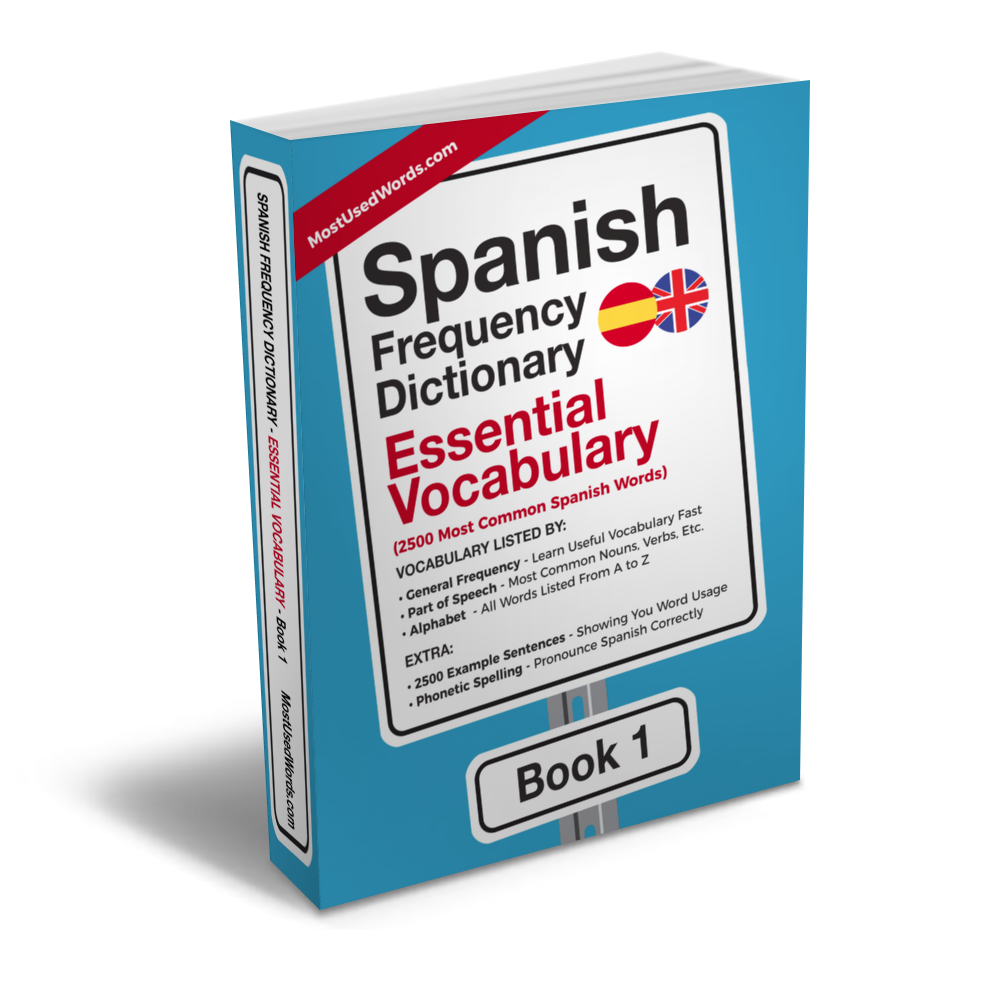
2,500 most common Spanish words with IPA pronunciation & bilingual example sentences
How to Say Next in Spanish
The word "next" in Spanish can be translated as "siguiente". This term is used to indicate something that follows the current moment or will happen in the future. In digital contexts, such as a website's navigation button, it often denotes the next step or page.
Meaning and Usage of "Siguiente" in Spanish
Want to improve your Spanish?
The Spanish Frequency Dictionary series covers the 10,000 most common Spanish words — ranked by how often native speakers actually use them, with IPA pronunciation, English translations, and bilingual example sentences at every level.
Browse all 4 volumes →In Spanish, "siguiente" can be used in various contexts:
- To indicate the next person or thing in a sequence: El siguiente en la fila. (The next in line.)
- To refer to the next day, week, month, year, etc.: La siguiente semana estaré de vacaciones. (Next week I'll be on vacation.)
- To indicate the next step or action: El siguiente paso es firmar el contrato. (The next step is to sign the contract.)
- To refer to the following event: El siguiente partido será el próximo sábado. (The next game will be next Saturday.)
- To refer to the next chapter or section in a book or article: En el siguiente capítulo, hablaremos de la historia del país. (In the next chapter, we will talk about the country's history.)
- To indicate the next item on an agenda or schedule: El siguiente punto en la reunión es discutir presupuestos. (The next point in the meeting is to discuss budgets.)
Pronunciation Tips for Non-Native Speakers
To pronounce "siguiente" correctly, break it down into syllables: si-gui-en-te. The stress falls on the third syllable. Remember that in Spanish, each vowel is pronounced distinctly.
Regional Differences and Comparison with Other Languages
Spanish has regional differences in vocabulary usage. For example, in Mexico, "siguiente" is more commonly used than "próximo" or "venidero". In Spain, "próximo" is preferred over "siguiente". Understanding these nuances can help you communicate effectively with native speakers.
Build Your Spanish Vocabulary Systematically
The fastest way to grow your Spanish vocabulary is to start with the words you'll actually encounter every day. The Spanish Frequency Dictionary covers the 2,500 most common Spanish words, each with IPA pronunciation, an English translation, and bilingual example sentences.
Browse the full range of Spanish frequency dictionaries to find the volume that matches your level.