How to Say Nationalities in Spanish | MostUsedWords.com
Updated for 2026, "nationalidades" is the term used in Spanish to express "nationalities." In this article, we will delve into various ways to discuss nationalities in Spanish, including regional differences and common expressions.

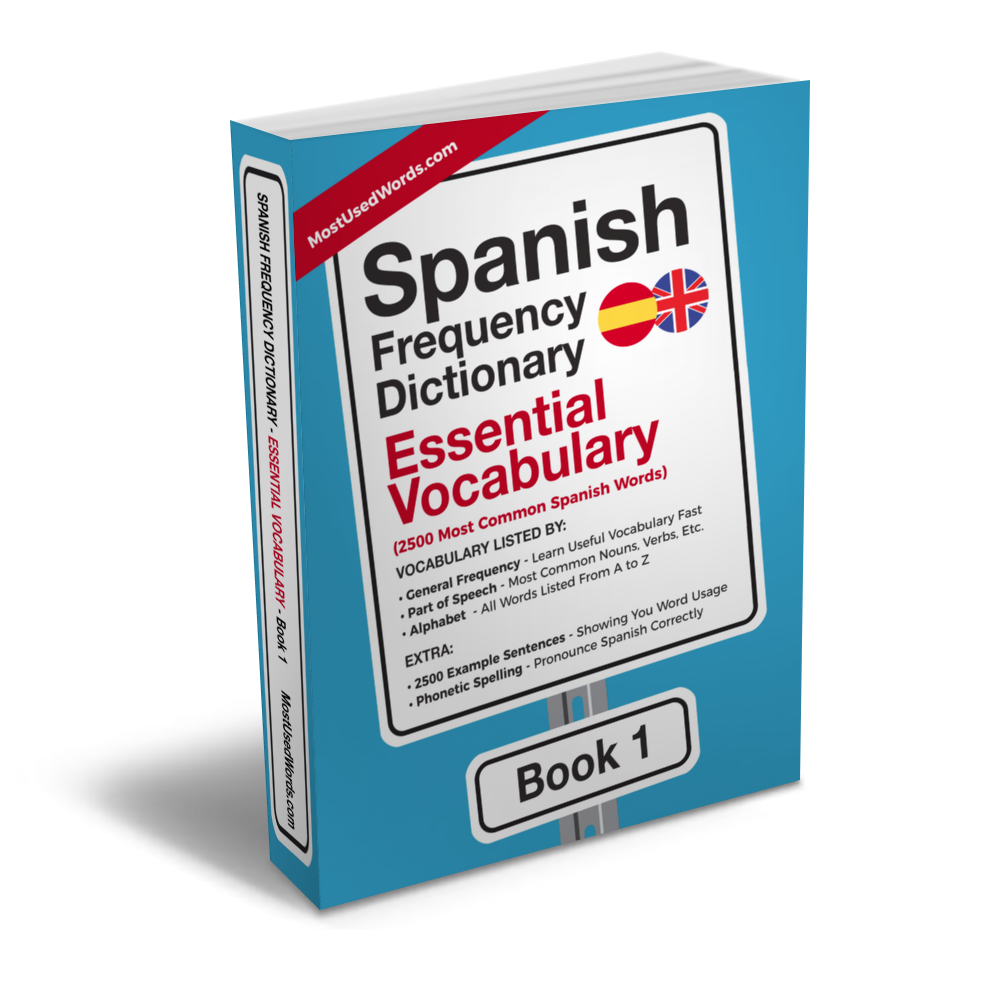
2,500 most common Spanish words with IPA pronunciation & bilingual example sentences
Understanding Nationalities in Spanish
The term "nationalidades" (IPA: /naθjo.na.liˈða.ðes/) is used to describe the concept of nationalities in Spanish. It refers to the legal status and cultural identity associated with a specific nation or country. However, it's important to note that there are regional variations in how this term might be used across different Spanish-speaking regions.
Regional Variations
Want to improve your Spanish?
The Spanish Frequency Dictionary series covers the 10,000 most common Spanish words — ranked by how often native speakers actually use them, with IPA pronunciation, English translations, and bilingual example sentences at every level.
Browse all 4 volumes →In some countries, such as Spain, you may hear "nacionalidad" more commonly than "nationalidades." In Latin America, the term can vary depending on local customs and linguistic preferences. For instance, in Mexico, people might use "nacionalidad" to refer to citizenship or nationality.
Common Phrases and Expressions
To communicate effectively about nationalities, it's helpful to know some common phrases:
- ¿Cuál es tu nacionalidad?
(What is your nationality?)
- Tengo la nacionalidad española.
(I have Spanish citizenship.)
- Su nacionalidad es canadiense.
(Your nationality is Canadian.)
How to Ask About Someone's Nationality in Spanish
To inquire about someone’s nationality, you might use:
- ¿De dónde eres?
(Where are you from?)
- ¿Cuál es tu país de origen?
(What is your country of origin?)
Sample Sentences for Practical Usage
To help you practice, here are more sample sentences:
- Mis amigos tienen nacionalidades de diferentes países.
(My friends have nationalities from different countries.)
- Aprendí las nacionalidades de América Latina en mi clase de español.
(I learned the nationalities of Latin America in my Spanish class..)
 Take a look at our series of books to quickly learn useful Spanish vocabulary. Stop learning hard, and start learning smart!
Build Your Spanish Vocabulary Systematically
The fastest way to grow your Spanish vocabulary is to start with the words you'll actually encounter every day. The Spanish Frequency Dictionary covers the 2,500 most common Spanish words, each with IPA pronunciation, an English translation, and bilingual example sentences.
Browse the full range of Spanish frequency dictionaries to find the volume that matches your level.