How to Say Mourning in Spanish | MostUsedWords.com
As of 2026, the term "mourning" in Spanish is duelo (IPA: /ˈdwe.lo/), a word that carries significant emotional weight and is used to describe the state of grief following the loss of a loved one.

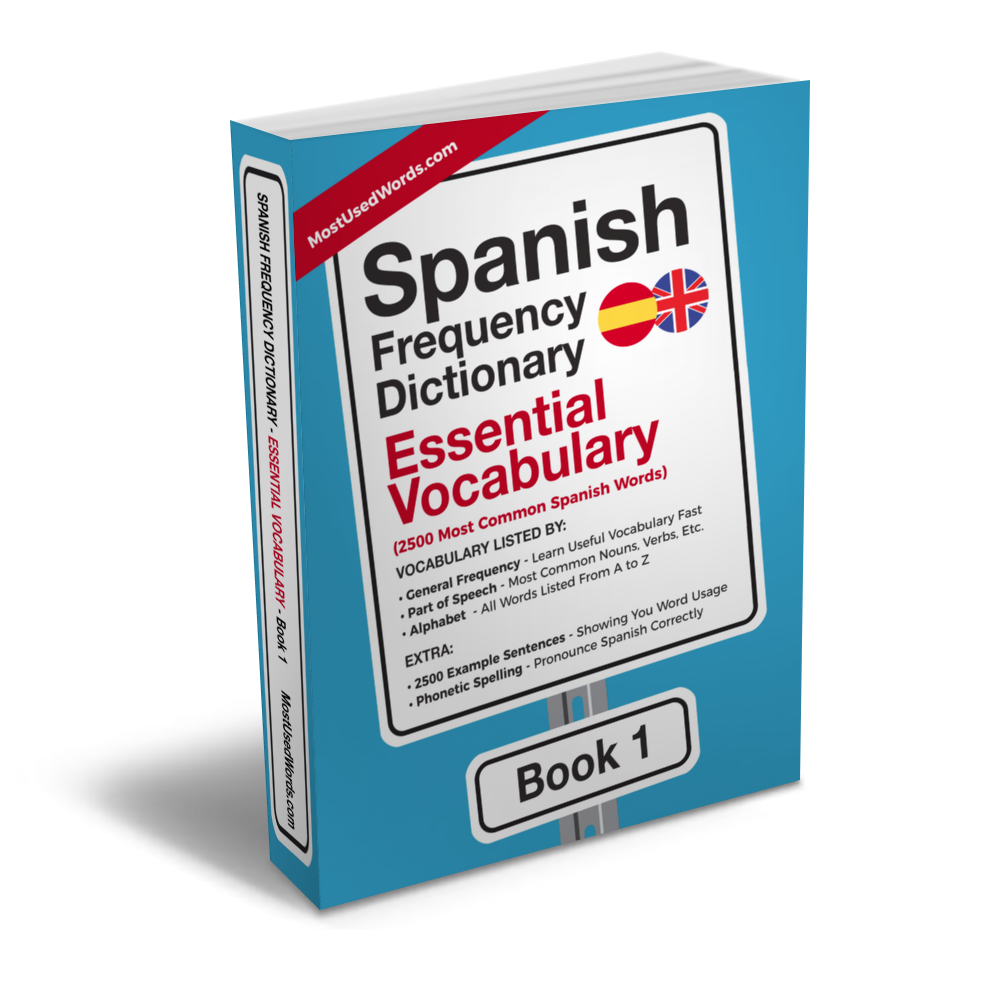
2,500 most common Spanish words with IPA pronunciation & bilingual example sentences
What is "Mourning" in Spanish?
In Spanish, the word for mourning is duelo (IPA: /ˈdwe.lo/), which describes the state of grief or sorrow following the loss of a loved one. This term is deeply rooted in cultural practices and varies across different regions.
Mourning Rituals in Spanish-Speaking Countries
Want to improve your Spanish?
The Spanish Frequency Dictionary series covers the 10,000 most common Spanish words — ranked by how often native speakers actually use them, with IPA pronunciation, English translations, and bilingual example sentences at every level.
Browse the full series →The concept of mourning in Spanish-speaking countries often includes specific rituals and customs that vary by region. For instance, in Spain, the period known as luto (IPA: /ˈlu.to/) involves wearing black clothing to symbolize grief. In Latin America, families may hold gatherings called dolientes, where mourners come together to support each other and remember their loved ones.
Mourning in Other Languages
While "duelo" is the primary term for mourning in Spanish, it's worth noting that other languages have unique terms. For example, in French, mélancolie (IPA: /melɑ̃kɔli/) can be used to describe a deep sense of sadness and longing associated with loss.
Synonyms for "Duelo" in Spanish
The term duelo has several synonyms that capture different aspects of mourning:
- Luto (IPA: /ˈlu.to/): Refers to the mourning period or state of grieving after a loss.
- Aflicción (IPA: /a.flik.ˈθjon/): Denotes grief and sorrow experienced due to significant loss or tragedy.
- Dolor (IPA: /'do.lor/): Means pain, both physical and emotional, especially the profound emotional pain caused by a loss.
How to Comfort Someone Who is Mourning in Spanish
When comforting someone who is mourning, it's important to offer support and understanding. Here are some phrases you can use:
- "Estoy aquí para ti." (I am here for you.)
- "No estás solo/a en este momento difícil." (You're not alone during this difficult time.)
- "Si necesitas hablar, estoy a tu disposición." (If you need to talk, I'm here for you.)
Noun and Verb Forms of "Duelo" in Spanish
The substantive form doliente (IPA: /do.ˈljɛn.te/) refers to a person who is grieving or mourning the loss of a loved one.
- Verb Forms:
- To mourn: In Spanish, the verb "to mourn" is lamentar (IPA: /la.men.ˈtaɾ/). It's commonly used to express grief or mourning.
Sample Sentences Using "Duelo" in Spanish
Here are five sample sentences using the term "duelo":
- Estoy de duelo por la pérdida de mi abuelo.
- Envié un mensaje de pésame a la familia en duelo.
- Lamentamos profundamente la partida de nuestro querido amigo.
- Los dolientes se reunieron en la iglesia para rendir homenaje al difunto.
- Ella está de duelo por su madre fallecida hace dos meses.
(I am in mourning for the loss of my grandfather.)
(I sent a message of condolences to the grieving family.)
(We deeply mourn the departure of our dear friend.)
(The mourners gathered at the church to pay tribute to the deceased.)
(She is in mourning for her mother who passed away two months ago.)
Frequently Asked Questions
What are some Spanish words for grief?
Some common Spanish words for grief include dolor, pena, pesar, and aflicción.
How do you say condolences in Spanish?
To express condolences in Spanish, use the phrase "envío mis más sinceras condolencias."
What is a mourner called in Spanish?
A person who is mourning or grieving is referred to as a doliente.
Build Your Spanish Vocabulary Systematically
The fastest way to grow your Spanish vocabulary is to start with the words you'll actually encounter every day. The Spanish Frequency Dictionary covers the 2,500 most common Spanish words, each with IPA pronunciation, an English translation, and bilingual example sentences.
Browse the full range of Spanish frequency dictionaries to find the volume that matches your level.