How to Say Mom in Spanish - Variants and Pronunciation Guide
Updated for 2026, the most widely used term for "mom" in Spanish is "madre". This article delves into various ways to express "mom" in Spanish, including regional variations like "mamá," "mamita," and "mami." Each term carries its own cultural significance and usage context.
The most common word for mother across Spain and Latin America is "madre." Pronounced as /ˈmaðɾe/ in IPA phonetics, this term is widely used in formal settings. However, regional variations exist with their unique connotations:
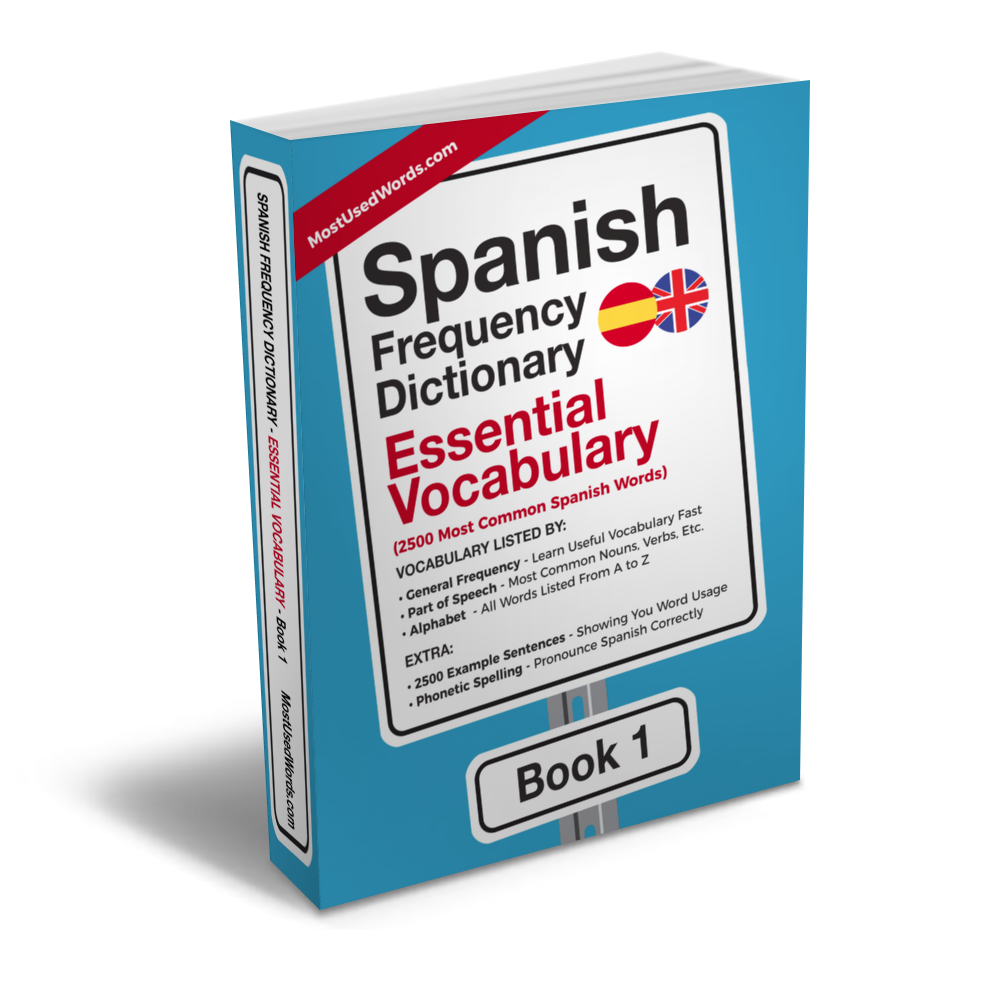
2,500 most common Spanish words with IPA pronunciation & bilingual example sentences
Variations of "Mom" in Spanish
In Mexico and most Latin American countries, the affectionate term "mamá" (IPA: /mɑːˈmɑː/) is more commonly used. In Argentina, Uruguay, and some parts of Chile, "mamá" is also prevalent.
Regional Variants for "Mom" in Spanish
Want to improve your Spanish?
The Spanish Frequency Dictionary series covers the 10,000 most common Spanish words — ranked by how often native speakers actually use them, with IPA pronunciation, English translations, and bilingual example sentences at every level.
Browse all 4 volumes →In Peru and certain regions of Ecuador and Bolivia, the term "mamita" (IPA: /mɑːˈmiːtə/) is often employed. In Caribbean countries such as Cuba, Puerto Rico, and the Dominican Republic, "mom" is frequently referred to as "mami" (IPA: /ˈmami/).
Cultural Significance of Different Terms for "Mom" in Spanish
The evolution of these terms reflects cultural influences and linguistic developments. For example, the term "madre" has roots in Latin, while "mamá" is derived from a combination of indigenous languages and Spanish.
Etymology and Cultural Significance of Other Regional Terms for "Mom"
The term "mamita," often used in Peru and certain regions of Ecuador and Bolivia, carries a more affectionate tone. In the Caribbean, "mami" is frequently employed as an endearing way to refer to one's mother.
Meaning of "Mom" in Spanish: Contextual Usage
The word "mom" in Spanish can vary significantly depending on the context and region. It can be used affectionately or formally, reflecting cultural nuances.
Usage in Formal vs Informal Settings
"Madre" is generally more formal and widely accepted across different regions, while terms like "mamá," "mamita," and "mami" are typically used in informal settings as a term of endearment.
Sample Sentences for How to Say Mom in Spanish
To better understand how these terms are used in everyday conversation, here are five sample sentences:
- Quiero agradecerle a mi mamá por todo lo que ha hecho por mí.
- El domingo es el Día de la Madre.
- Mamí, ¿puedes ayudarme con la tarea?
- Mi madre es la mejor del mundo.
- ¿Quieres llamarme mamita, cariño?
(I want to thank my mom for everything she has done for me.)
(Sunday is Mother's Day.)
(Mom, can you help me with my homework?)
(My mom is the best in the world.)
(Do you want to call me "mamita," sweetheart?)
Build Your Spanish Vocabulary Systematically
The fastest way to grow your Spanish vocabulary is to start with the words you'll actually encounter every day. The Spanish Frequency Dictionary covers the 2,500 most common Spanish words, each with IPA pronunciation, an English translation, and bilingual example sentences.
Browse the full range of Spanish frequency dictionaries to find the volume that matches your level.