How to Say Man in Spanish | Synonyms and Usage Explained
As of 2026, when learning Spanish, one crucial term is "man," which translates to "hombre." This article explores various ways to express this concept across different contexts and regions.
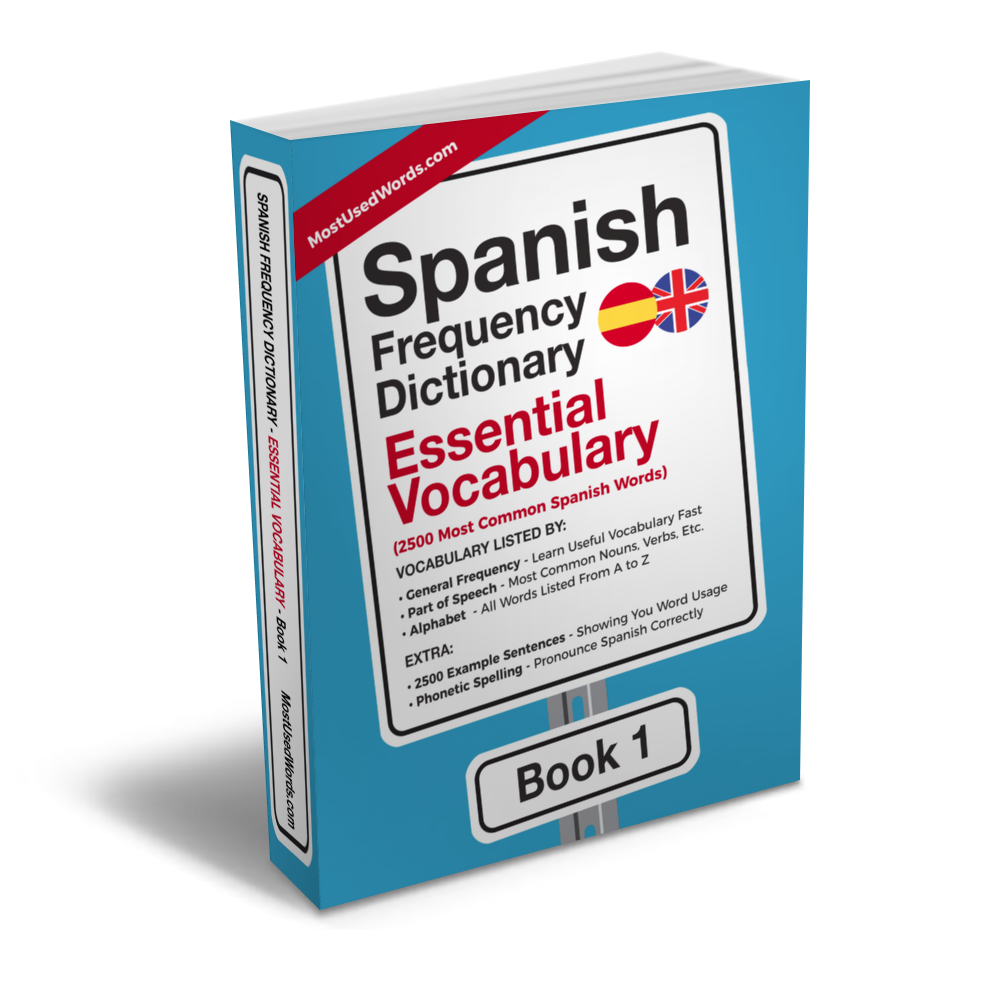
2,500 most common Spanish words with IPA pronunciation & bilingual example sentences
The Primary Term: Hombre
In Spanish, the primary word for "man" is "hombre" (IPA: /ˈom.bɾe/). It's widely used in all Spanish-speaking countries but has regional variations. For instance, in Spain and Latin America, you might encounter terms like "tío," "tipo," or "vato."
Synonyms for Man in Spanish
Want to improve your Spanish?
The Spanish Frequency Dictionary series covers the 10,000 most common Spanish words — ranked by how often native speakers actually use them, with IPA pronunciation, English translations, and bilingual example sentences at every level.
Browse all 4 volumes →While "hombre" is the standard term, there are several synonyms that can be used depending on context:
- Varón (IPA: /baˈɾon/): Used formally and often in medical contexts.
- Macho (IPA: /ˈma.tʃo/): Refers to a man but carries negative connotations of toxic masculinity.
- Tipo (IPA: /ˈti.po/): Informal term meaning "guy" or "dude."
- Señor (IPA: /seˈɲoɾ/): Formal way to address a man, equivalent to "Mr." in English.
- Tío (IPA: /ˈti.o/): Used informally in Spain and some Latin American countries to mean "dude" or "guy."
- Vato (IPA: /ˈba.to/): Commonly used in Mexico among friends.
Cultural Implications of Different Terms for Man
The choice between these terms can vary based on cultural context and the level of formality. For example, "tío" is more casual and often used among peers, while "señor" is reserved for formal settings or when addressing someone you don't know well.
Usage in Formal and Informal Settings
"Hombre" can be used in both formal and informal contexts. However, other terms like "varón," "macho," "tipo," and "señor" are more specific to certain situations:
- Formal settings: Use "señor" or "hombre."
- Casual conversations: Opt for "tío," "vato," or "tipo."
Sentences Using Spanish Words for Man
To better understand these terms, here are some example sentences:
- "¿Dónde está el hombre que vendió la casa?" (Where is the man who sold the house?)
- "Tío, ¿qué tal estás?" (Hey dude, how's it going?)
- "El varón es responsable por las deudas." (The male adult is responsible for the debts.)
- "¿Qué tipo eres tú?" (What kind of guy are you?)
- "Señor García, ¿cómo está hoy?" (Mr. Garcia, how are you today?)
- "Vato, no me hagas eso." (Dude, don't do that to me.)
Regional Variations and Historical Usage
In Mexico, "vato" is commonly used among friends. In Spain, "tío" is more prevalent in informal settings. Understanding these nuances helps you communicate effectively across different regions.
Build Your Spanish Vocabulary Systematically
The fastest way to grow your Spanish vocabulary is to start with the words you'll actually encounter every day. The Spanish Frequency Dictionary covers the 2,500 most common Spanish words, each with IPA pronunciation, an English translation, and bilingual example sentences.
Browse the full range of Spanish frequency dictionaries to find the volume that matches your level.