How to Say Loss in Spanish | MostUsedWords.com
As of 2026, the word "loss" (noun) in English can be translated into Spanish as pérdida (IPA: /ˈper.ði.da/). This article will provide an in-depth analysis of how to express and understand the concept of loss in various contexts across different Spanish-speaking regions.

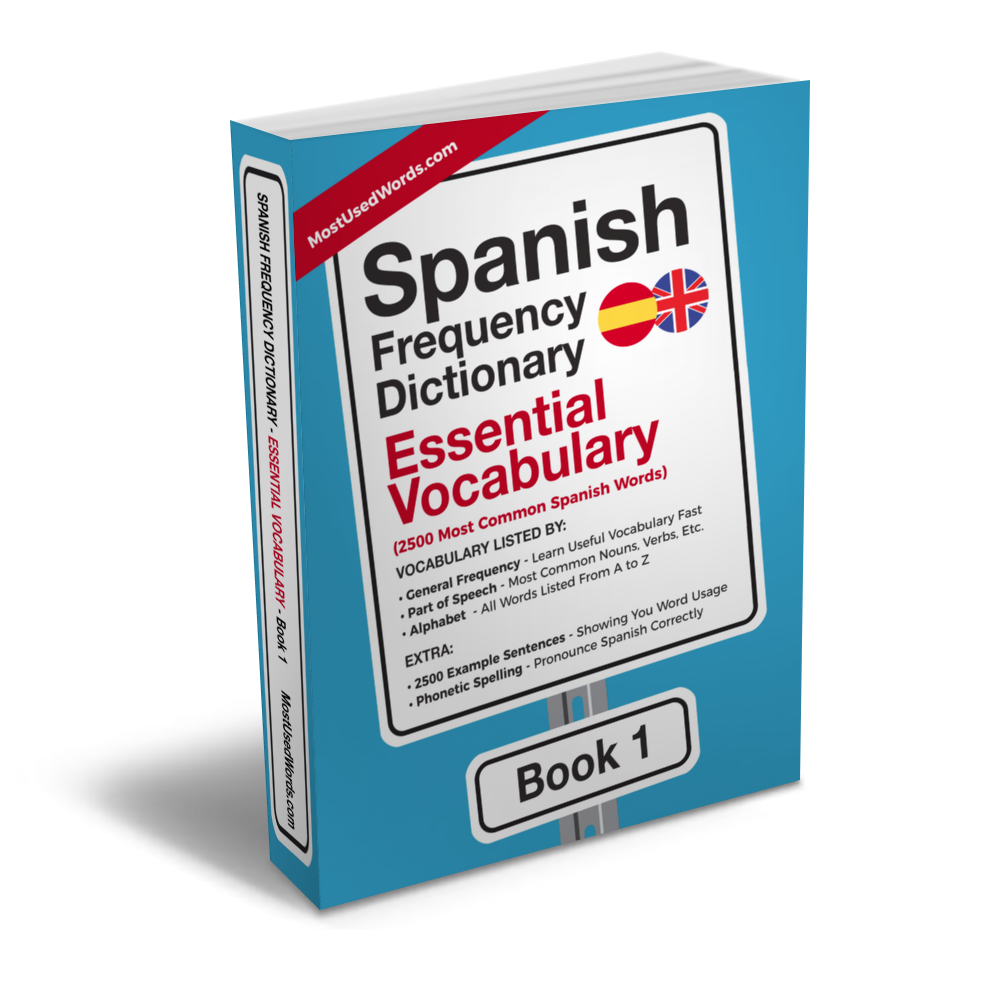
2,500 most common Spanish words with IPA pronunciation & bilingual example sentences
How to Say Loss in Spanish
In Spanish, the noun "loss" is most commonly translated as pérdida (IPA: /ˈper.ði.da/). It's crucial to note that this term carries a tilde over the 'e', distinguishing it from other forms like "perdido(a)" which means lost.
Meaning and Usage of Pérdida
Want to improve your Spanish?
The Spanish Frequency Dictionary series covers the 10,000 most common Spanish words — ranked by how often native speakers actually use them, with IPA pronunciation, English translations, and bilingual example sentences at every level.
Browse all 4 volumes →Pérdida is widely used across Spanish-speaking regions to describe a variety of losses, whether it's the loss of an object, a person, or an opportunity. Here are some examples:
- La pérdida de la llave es un problema grande. (The loss of the key is a big problem.)
- No puedo creer en la pérdida de mi trabajo. (I can't believe in the loss of my job.)
- Ella experimentó una gran pérdida cuando su abuela falleció. (She experienced a great loss when her grandmother passed away.)
Regional Variations and Synonyms
While "pérdida" is the most common term, there are regional variations such as:
- Extravío (IPA: /ekstɾaˈβi.o/): Used in Mexico and parts of Central America to describe losing personal belongings or getting lost. Example: No encontré mi cartera; es un extravío.
- Desperdicio (IPA: /despeɾˈðiθjo/): Commonly used in Spain, this term emphasizes wastage or squandering of resources. Example: El desperdicio de alimentos es una gran preocupación en el mundo.
Here are some additional synonyms for "loss" with their meanings and pronunciations:
- Desaparición (IPA: /desapaɾiˈθjon/): The act of disappearing or vanishing completely. Example: La desaparición de la nave espacial fue un gran misterio.
- Merma (IPA: /ˈmeɾma/): A decrease in quantity, size, or value. Example: Hubo una merma en las ventas durante el último trimestre.
- Defunción (IPA: /defunˈθjon/): The act of dying or the state of being deceased. Example: La defunción de un ser querido siempre es dolorosa.
- Ausencia (IPA: /awˈsenθja/): The state or condition of being absent. Example: Su ausencia fue notada en la reunión.
- Deterioro (IPA: /det̪eɾjoɾo/): A gradual decline in quality, condition, or value. Example: El deterioro de las instalaciones es preocupante.
- Perjuicio (IPA: /peɾˈxujo/): Harm or damage caused by an action or event. Example: La construcción causó un perjuicio significativo a la comunidad local.
- Fuga (IPA: /ˈfuɣa/): The act of fleeing or escaping. Example: Hubo una fuga de gas en el edificio vecino.
- Privación [pɾiβaˈθjon/): Deprivation or lack of something essential. Example: La privación del sueño puede causar problemas de salud.
Verb Forms and Conjugation
The verb form for "to lose" in Spanish is "perder". Here are some conjugations:
- Yo pierdo (I lose)
- Tú pierdes (You lose - informal)
- Él/Ella/Usted pierde (He/She loses or You lose - formal)
- Nosotros/Nosotras perdemos (We lose)
- Vosotros/Vosotras perdéis (You all lose - informal)
- Ellos/Ellas/Ustedes pierden (They/You all lose - formal)
Build Your Spanish Vocabulary Systematically
The fastest way to grow your Spanish vocabulary is to start with the words you'll actually encounter every day. The Spanish Frequency Dictionary covers the 2,500 most common Spanish words, each with IPA pronunciation, an English translation, and bilingual example sentences.
Browse the full range of Spanish frequency dictionaries to find the volume that matches your level.