How to Say Living in Spanish | MostUsedWords.com
As of 2026, understanding how to express the concept of "living" in Spanish is crucial for anyone looking to communicate effectively with Spanish speakers. How-to-say-living-in-spanish is a fundamental topic that requires attention to various nuances and regional differences.
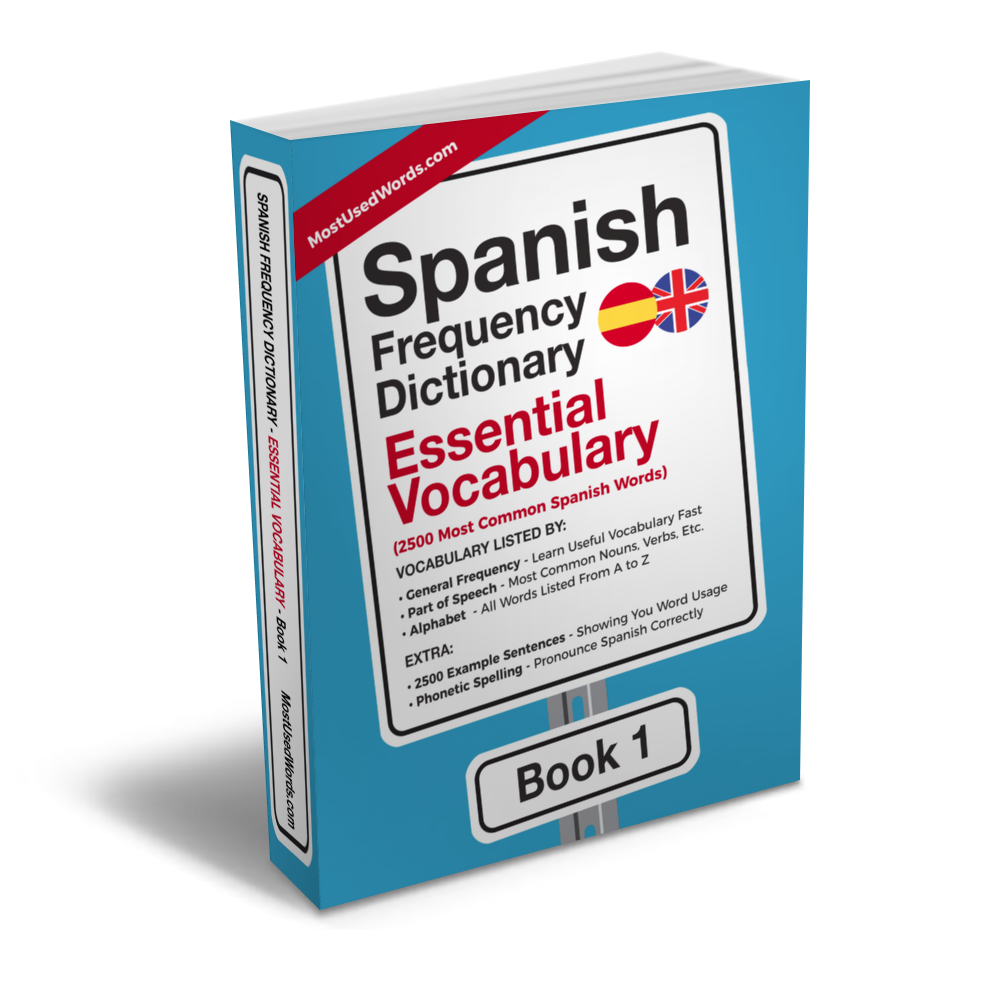
2,500 most common Spanish words with IPA pronunciation & bilingual example sentences
How to Say Living in Spanish
The most common translation for "living" in Spanish is viviendo (IPA: /biˈβjen.do/). This term encompasses the act of residing, existing, or carrying out daily life activities. However, it's important to note that there are multiple ways to convey this concept depending on the context.
Other words that encompass the idea of "living" include:
- Residir (to reside)
- Habitar (to inhabit)
- Morar (to dwell)
How to Speak About Living in Spanish
Want to improve your Spanish?
The Spanish Frequency Dictionary series covers the 10,000 most common Spanish words — ranked by how often native speakers actually use them, with IPA pronunciation, English translations, and bilingual example sentences at every level.
Browse all 4 volumes →To speak about living in Spanish, it's essential to understand the various forms and contexts. For instance:
- Viviendo: This is the present progressive form of "vivir" (to live).
- Habitando: The gerund form of "habitar," which means living or dwelling.
- Morando: Another way to express the act of living, often used in a more colloquial context.
Spanish Words for Residence
In addition to the verbs mentioned above, there are several nouns and adjectives that describe different aspects of residence. Here are some examples:
- Domicilio (doh-mee-see-yoo-ho): Refers to a legal address or place of residence.
- Hogar (oh-gahr): Means home, but also conveys the idea of family and warmth.
- Vivienda (bee-been-dah): A more formal term for housing or accommodation.
Synonyms of Living in Spanish
To enhance your vocabulary further, here are some synonyms that can be used interchangeably with "viviendo":
- Residiendo (IPA: /ɾe.siˈðjen.do/): The act of living or residing in a particular place.
- Habitando (IPA: /a.biˈtan.do/): The action of living or dwelling in a specific location.
- Morando (IPA: /mo.ˈɾan.do/): The act of living or staying in a particular residence or place.
- Alojándose (IPA: /a.loˈxan.do.se/): The act of staying or living temporarily in a place, typically involving accommodation or lodging.
- Sobreviviendo (IPA: /so.βɾe.biˈβjen.do/): The process of continuing to live or exist despite difficult circumstances or challenges.
- Permaneciendo (IPA: /peɾ.ma.neˈθjen.do/): The act of staying or continuing to be in a particular state or place.
- Radicando (IPA: /ra.ðiˈkan.do/): The action of establishing oneself or living permanently in a specific location.
- Coexistiendo (IPA: /ko.eɣisˈtjen.do/): The act of living together or existing in the same place or time, often referring to different groups or entities.
Regional Variations in Spanish Vocabulary for Living
As with any language, regional variations exist within the Spanish-speaking world. Different regions may have unique terms or expressions for "living." For example:
- In Spain, the word vivir (to live) is commonly used to mean residing.
- In Mexico and other Latin American countries, habitar and morar are more frequently employed to describe the act of living or dwelling.
- In some regions, such as Argentina, vivir can also be used in a broader sense to mean "to live" both literally and figuratively.
To help you better understand these nuances, here are some sample sentences:
- Estoy viviendo en Madrid desde hace dos años. (I have been living in Madrid for two years.)
- Mis padres residen en Barcelona. (My parents reside in Barcelona.)
- Habito una casa pequeña cerca del parque. (I inhabit a small house near the park.)
- Moro en un apartamento en el centro de la ciudad. (I dwell in an apartment in the city center.)

Build Your Spanish Vocabulary Systematically
The fastest way to grow your Spanish vocabulary is to start with the words you'll actually encounter every day. The Spanish Frequency Dictionary covers the 2,500 most common Spanish words, each with IPA pronunciation, an English translation, and bilingual example sentences.
Browse the full range of Spanish frequency dictionaries to find the volume that matches your level.