How to Say January in Spanish | Pronunciation and Usage
As the first month of the year, January holds a special significance in many cultures around the world. If you are looking to expand your language skills and learn how to say "January" in Spanish, you have come to the right place.
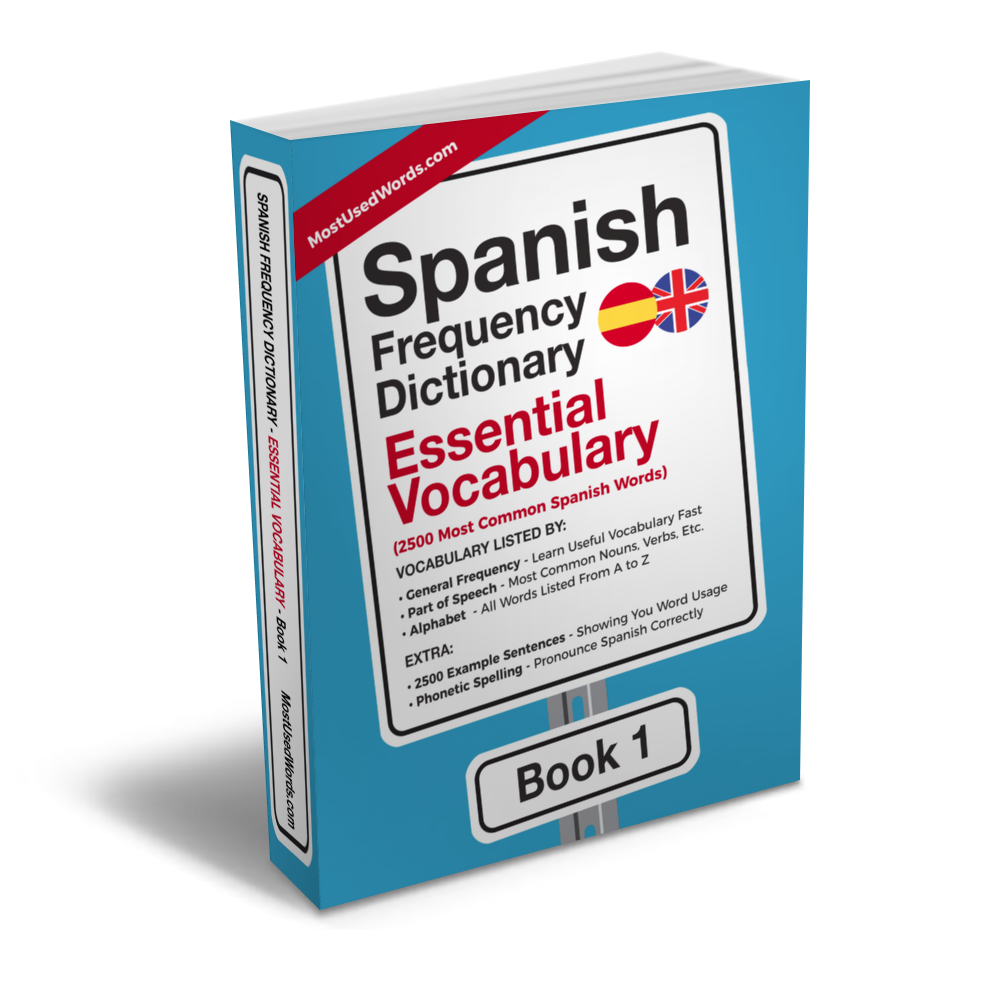
2,500 most common Spanish words with IPA pronunciation & bilingual example sentences
What is "January" in Spanish?
In Spanish, the word for January is "enero". The word is pronounced /eˈneɾo/ in IPA and is used in Spanish-speaking countries around the world. Understanding how to say "Spanish word for January" can be a valuable addition to your vocabulary.
The Meaning of "January" in Spanish
Want to improve your Spanish?
The Spanish Frequency Dictionary series covers the 10,000 most common Spanish words — ranked by how often native speakers actually use them, with IPA pronunciation, English translations, and bilingual example sentences at every level.
Browse all 4 volumes →The word "enero" comes from the Latin word "Ianuarius", named after the Roman god Janus, who was associated with beginnings and endings. This makes it fitting for January as the first month of the year. In Spanish-speaking cultures, "january vocabulary in spanish" is often used to signify new starts.
Cultural Significance of January in Spanish-Speaking Countries
In many Spanish-speaking countries, January marks the beginning of a fresh start after the holiday season. Common events and holidays celebrated include:
- New Year's Day (Año Nuevo)
- Epiphany (Día de Reyes)
- The Three Kings Parade (Desfile de los Tres Reyes Magos)
These celebrations highlight the importance of January in Spanish-speaking cultures.
Pronunciation Tips for Non-Native Speakers
To pronounce "enero" correctly, focus on the stress on the second syllable: e-NE-ro. The letter 'r' is rolled when pronounced between vowels or after an 'n'. Practice saying it out loud to get comfortable with its sound.
How to Say January in Spanish: Sample Sentences
Here are several sample sentences you can use to incorporate "enero" into your vocabulary:
- Me gusta celebrar mi cumpleaños en enero.
(I like to celebrate my birthday in January.)
- Este año vamos a viajar a España en enero.
(This year we're going to travel to Spain in January.)
- En enero hace mucho frío en el norte de México.
(In January it's very cold in the north of Mexico.)
Regional Differences
While "enero" is widely understood, there are some regional variations:
- In parts of Mexico, you might hear "enelo" instead of "enero".
- In certain regions of Spain, "enero" can be used as slang for money.
The Etymology of Other Months in Spanish
To provide context and deepen your understanding, here are the origins of other months:
- Febrero (February): Comes from Latin "februare" meaning to purify or cleanse.
- Martes (Tuesday): Named after Mars, the Roman god of war.
This etymological background can help you remember and understand each month's name better.
As you continue learning Spanish, consider expanding your vocabulary with common phrases and expressions related to January. This will enhance your ability to communicate effectively in various contexts.
Build Your Spanish Vocabulary Systematically
The fastest way to grow your Spanish vocabulary is to start with the words you'll actually encounter every day. The Spanish Frequency Dictionary covers the 2,500 most common Spanish words, each with IPA pronunciation, an English translation, and bilingual example sentences.
Browse the full range of Spanish frequency dictionaries to find the volume that matches your level.