How to Say Hyena in Spanish | MostUsedWords.com
As of 2026, the term for "hyena" in Spanish is hiena (IPA: /ˈjena/). This article will guide you through pronouncing this word correctly, understanding its meaning, and using it in various contexts. We'll also explore regional variations across different Spanish-speaking countries and delve into the cultural significance of hyenas.
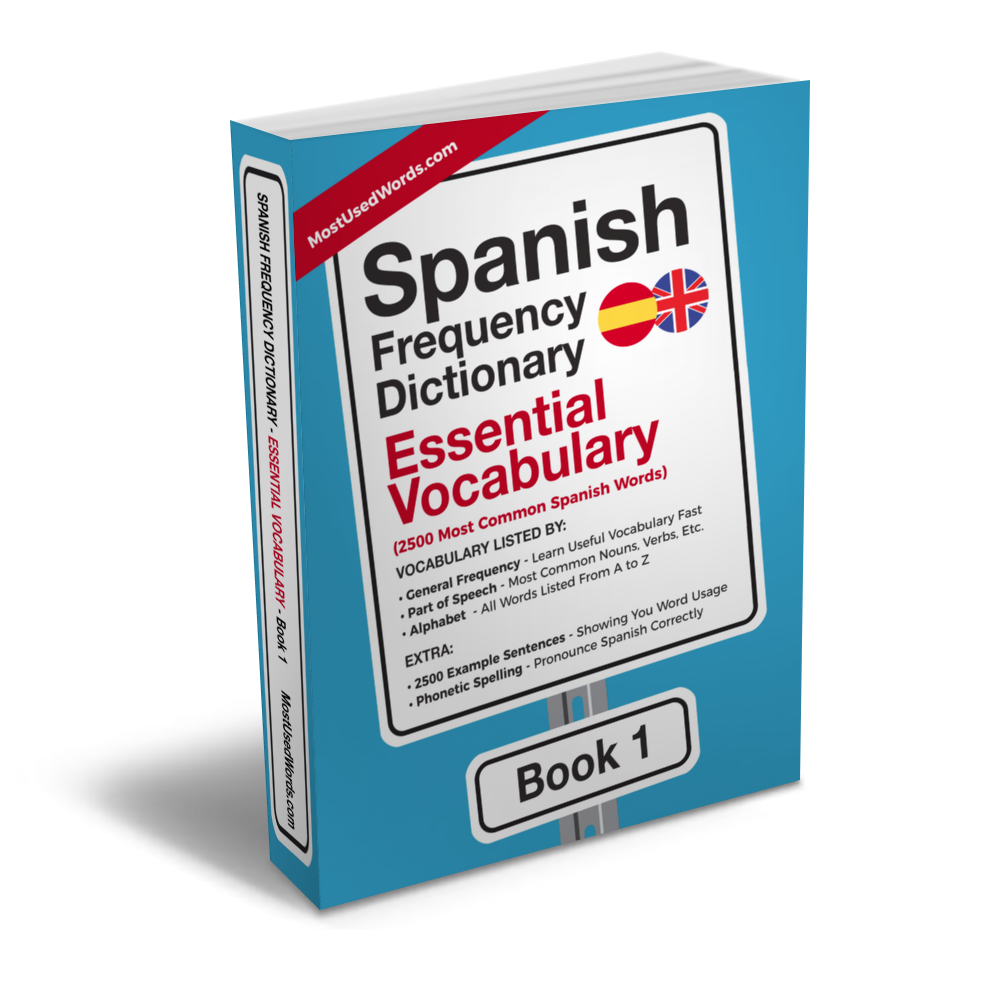
2,500 most common Spanish words with IPA pronunciation & bilingual example sentences
What is "Hyena" in Spanish?
In Spanish, the term for "hyena" is hiena (IPA: /ˈjena/). The pronunciation closely resembles the English word, making it relatively easy for English speakers to learn and use. To refer to multiple hyenas, you would say hienas (IPA: /ˈjenas/).
Meaning of "Hyena" in Spanish
Want to improve your Spanish?
The Spanish Frequency Dictionary series covers the 10,000 most common Spanish words — ranked by how often native speakers actually use them, with IPA pronunciation, English translations, and bilingual example sentences at every level.
Browse the full series →"Hiena" in Spanish refers to the carnivorous mammal known for its distinctive laugh-like vocalizations and scavenging habits. Hyenas are found in various regions, including Africa and parts of Asia. They play a significant role in many cultural narratives across these regions.
Pronunciation Tips
The pronunciation of "hiena" can be challenging for non-native speakers due to the soft "h" sound at the beginning. The IPA phonetic transcription /ˈjena/ helps you understand how it should sound. Practice saying it slowly and clearly, focusing on the initial consonant.
Cultural Significance of Hyenas in Different Cultures
The cultural significance of hyenas varies widely across different Spanish-speaking regions. In some African cultures, hyenas are often depicted as cunning or mischievous characters in folklore and literature. For instance, in Andalusia, Spain, the term yiena (IPA: /ˈʝiena/) is sometimes used, reflecting a softer pronunciation of the initial "h."
Regional Variations
The Spanish language is rich with regional variations, and this extends to how animals are named. While "hiena" is widely recognized, some regions may use different terms or pronunciations:
- Spain (Andalusia): yiena (IPA: /ˈʝiena/)
How to Say 'Hyena' in Spanish: Sample Sentences with Context
Here are five sample sentences you can use to say "hyena" in Spanish:
- La hiena es un animal fascinante de la sabana africana.
(The hyena is a fascinating animal of the African savannah.)
- Las hienas son conocidas por su distintiva risa.
(Hyenas are known for their distinctive laughter.)
- En algunos cuentos africanos, las hienas son personajes astutos.
(In some African tales, hyenas are cunning characters.)
- Las hienas son carroñeras y suelen buscar restos de animales muertos.
(Hyenas are scavengers and often search for the remains of dead animals.)
- Los sonidos nocturnos de las hienas pueden ser escalofriantes.
(The nocturnal sounds of hyenas can be chilling.)
Frequently Asked Questions
How do you pronounce "hyena" in Spanish?
To pronounce "hyena" in Spanish, say /ˈjena/. Focus on the soft initial consonant and practice saying it slowly to get the sound right.
What are some cultural references for hyenas in Spain?
In Andalusia, Spain, the term "yiena" is sometimes used. This reflects a softer pronunciation of the initial "h," which can vary across different regions.
Are there any interesting facts about hyenas in Spanish?
Hyenas are fascinating animals known for their distinctive laugh-like vocalizations and scavenging habits. They play significant roles in African folklore, often depicted as cunning characters.
Build Your Spanish Vocabulary Systematically
The fastest way to grow your Spanish vocabulary is to start with the words you'll actually encounter every day. The Spanish Frequency Dictionary covers the 2,500 most common Spanish words, each with IPA pronunciation, an English translation, and bilingual example sentences.
Browse the full range of Spanish frequency dictionaries to find the volume that matches your level.