How to Say Hopelessly in Spanish | MostUsedWords.com
As of 2026, learning a new language can be both exciting and challenging, especially when it comes to translating complex words like "hopelessly" into Spanish. In this article, we will explore the different ways to convey this sentiment in Spanish, providing you with comprehensive guidance on pronunciation, usage examples, and regional variations.
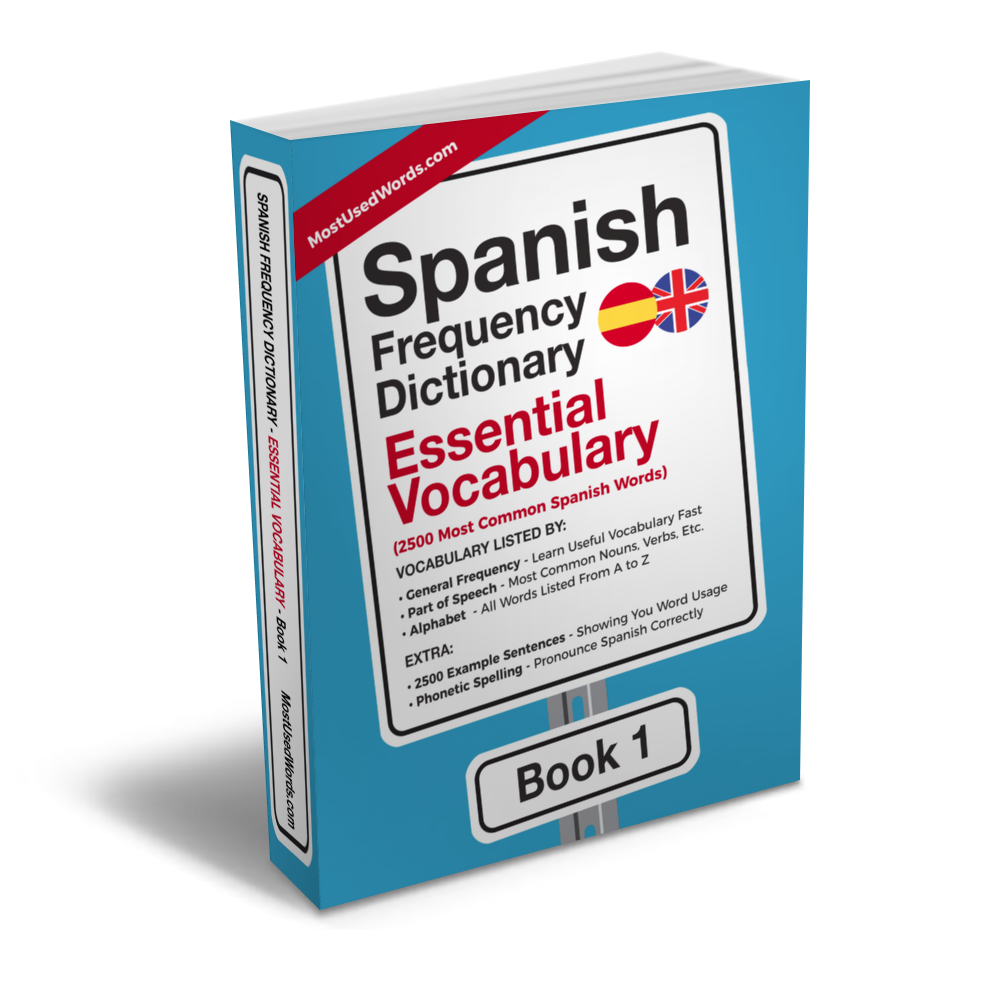
2,500 most common Spanish words with IPA pronunciation & bilingual example sentences
How to Say "Hopelessly" in Spanish
The English adverb "hopelessly" describes a situation or feeling where there seems to be no chance of improvement or success. In Spanish, several words can capture this sentiment depending on the context:
- Desesperadamente (IPA: /des.es.pe.ɾa.ðaˈmen.te/)
- Sin esperanza (IPA: /sin es.pe.ˈɾan.θa/)
- Irremediablemente (IPA: /ire.me.ðja.βleˈmen.te/)
- De manera desalentadora (IPA: /de maˈneɾa desalenˈtaðoɾa/)
- Con resignación total (IPA: /kon ɾesinjaˈθjon toˈtal/)
- En vano (IPA: /en ˈβano/)
Meaning of "Hopelessly" in Spanish
Want to improve your Spanish?
The Spanish Frequency Dictionary series covers the 10,000 most common Spanish words — ranked by how often native speakers actually use them, with IPA pronunciation, English translations, and bilingual example sentences at every level.
Browse all 4 volumes →Here are the meanings and usages for each translation:
- Desesperadamente: This adverb captures the sense of desperation and hopelessness.
- Sin esperanza: This phrase translates to "without hope," directly conveying the idea of hopelessness.
- Irremediablemente: This word emphasizes the irreversibility of a situation, carrying a strong sense of hopelessness.
- De manera desalentadora: This phrase emphasizes the discouraging aspect of "hopelessly" and is commonly used to describe situations or efforts that seem utterly futile.
- Con resignación total: Translated as "with total resignation," this expression depicts a state of acceptance in the face of hopelessness.
- En vano: While this phrase literally means "in vain," it is often used to convey the idea of hopelessness in Spanish.
Usage Examples and Common Phrases
Here are some common phrases using "hopelessly" translated into Spanish:
- "He tried to fix it, but he did so hopelessly." — Lo intentó, pero lo hizo desesperadamente.
- "She looked at him with a hopeless expression." — La miró con una expresión sin esperanza.
Comparison with Similar Adverbs
It's important to distinguish "hopelessly" from similar adverbs like:
- Débilmente (weakly): This term does not convey the sense of hopelessness.
- Inútilmente (uselessly): While this can imply futility, it doesn't necessarily carry the emotional weight of "hopelessly."
Regional Variations
The usage of these terms may vary across Spanish-speaking regions. For instance:
- In Latin America, "desesperadamente" is commonly used.
- In Spain, "sin esperanza" might be more prevalent in certain contexts.
Understanding these regional differences can help you communicate effectively with Spanish speakers from different backgrounds.
Build Your Spanish Vocabulary Systematically
The fastest way to grow your Spanish vocabulary is to start with the words you'll actually encounter every day. The Spanish Frequency Dictionary covers the 2,500 most common Spanish words, each with IPA pronunciation, an English translation, and bilingual example sentences.
Browse the full range of Spanish frequency dictionaries to find the volume that matches your level.