How to Say Hope in Spanish | MostUsedWords.com
As of 2026, the English noun "hope" translates into Spanish as esperanza (IPA: /es.peˈɾan.sa/), capturing the essence of optimism and anticipation. In this article, we explore how to express hope in Spanish, delve into its synonyms, and uncover cultural nuances.

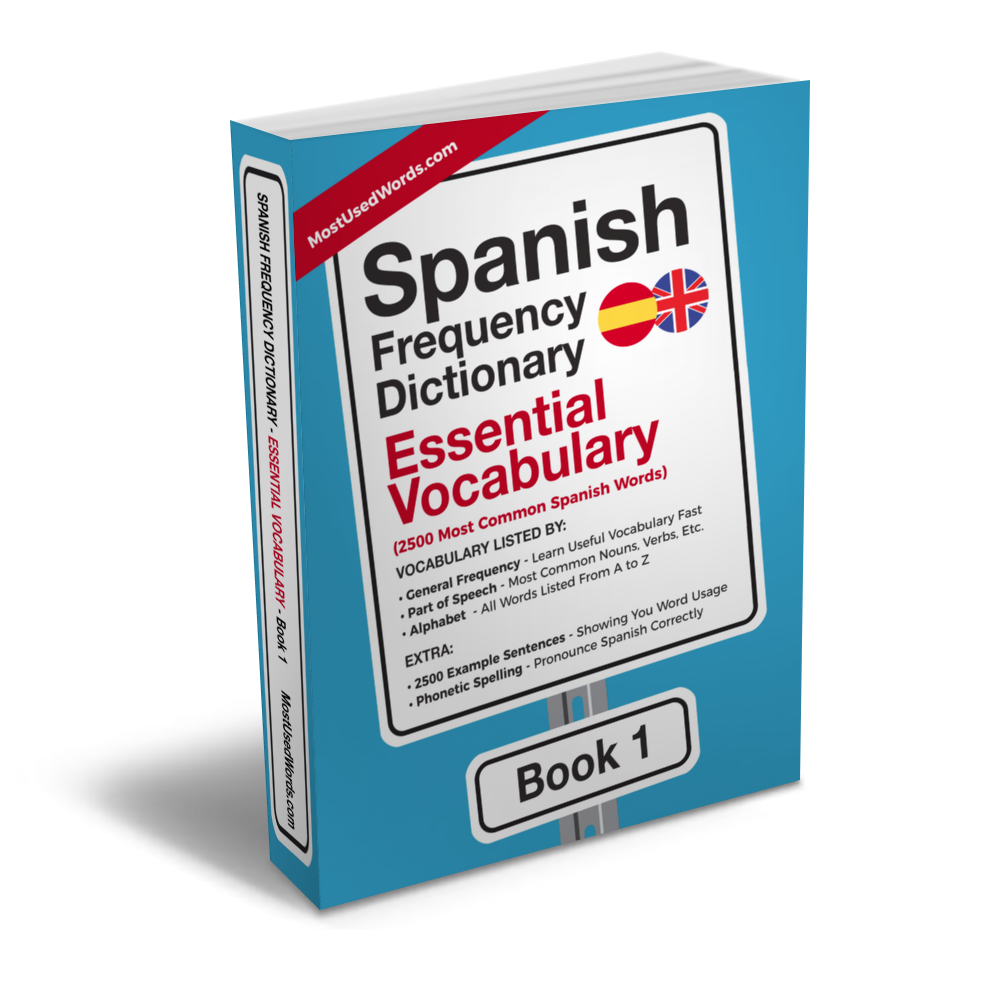
2,500 most common Spanish words with IPA pronunciation & bilingual example sentences
How to Express Hope in Spanish
"Esperanza" in Spanish is more than just a translation of "hope"; it embodies the profound desire for positive outcomes and better days ahead. This concept is deeply rooted in the Spanish-speaking world, where hope often serves as a driving force through challenging times. In various cultural contexts, such as during religious festivals or community gatherings, expressions of hope are central to maintaining morale and unity.
Synonyms for Hope in Spanish
Want to improve your Spanish?
The Spanish Frequency Dictionary series covers the 10,000 most common Spanish words — ranked by how often native speakers actually use them, with IPA pronunciation, English translations, and bilingual example sentences at every level.
Browse all 4 volumes →Beyond "esperanza," there are several synonyms that capture different aspects of the concept:
- Ilusión (IPA: /iluˈsjon/): A feeling of excitement and anticipation, often with an element of uncertainty or fantasy. For example, "Tengo ilusión de viajar a España este verano" means "I have the hope to travel to Spain this summer."
- Fe (IPA: /fe/): Confidence or trust in something or someone, often associated with religious beliefs. For instance, "Tengo fe en Dios para superar esta prueba" translates to "I have faith in God to overcome this test."
- Confianza (IPA: /konfjanˈθa/): A strong belief in someone's abilities or reliability. For example, "Tengo confianza en que podrás hacerlo" means "I have confidence that you can do it."
- Optimismo (IPA: /optiˈmismo/): A positive outlook on life and events, expecting favorable outcomes. For example, "Con optimismo, podemos superar cualquier obstáculo" translates to "With optimism, we can overcome any obstacle."
- Ánimo (IPA: /ˈanimo/): Enthusiasm and determination to face challenges or pursue goals. For example, "¡Tengo mucho ánimo para seguir adelante!" means "I have a lot of spirit to keep going forward!"
- Alegría (IPA: /aˈleɣria/): A feeling of happiness or delight. For example, "La alegría de ver a mis amigos me llena de esperanza" translates to "The joy of seeing my friends fills me with hope."
- Expectativa (IPA: /ekspektaˈtiva/): A belief or anticipation about what might happen in the future. For example, "Tengo expectativas altas para este proyecto" means "I have high expectations for this project."
- Posibilidad (IPA: /posibiliˈdad/): A potential option or chance that something might occur. For example, "Hay muchas posibilidades de éxito en este negocio" translates to "There are many possibilities of success in this business."
- Perspectiva (IPA: /perspekˈtiva/): A particular way of looking at or interpreting a situation. For example, "Desde otra perspectiva, todo parece más esperanzador" means "From another perspective, everything seems more hopeful."
- Visión (IPA: /biˈsjon/): A mental image of what the future could hold. For example, "Tengo una visión clara de lo que quiero lograr" translates to "I have a clear vision of what I want to achieve."
Idiomatic Expressions Related to Hope in Spanish
In addition to these synonyms, there are several idiomatic expressions that convey hope:
- "Tener la esperanza de que algo suceda" (To have the hope that something will happen).
- "No perder la esperanza" (Not to lose hope).
- "Esperar con ansias" (To wait with anticipation).
These expressions enrich the language and provide a nuanced understanding of how hope is expressed in different contexts.
Build Your Spanish Vocabulary Systematically
The fastest way to grow your Spanish vocabulary is to start with the words you'll actually encounter every day. The Spanish Frequency Dictionary covers the 2,500 most common Spanish words, each with IPA pronunciation, an English translation, and bilingual example sentences.
Browse the full range of Spanish frequency dictionaries to find the volume that matches your level.