How to Say Hang Out in Spanish | MostUsedWords.com
Updated for 2026, knowing how to say "hang out" in Spanish is crucial if you're planning a trip or want to enhance your conversational skills. The most common way to express this concept is "pasar el rato", which literally means "spend the time".
The phrase "pasar el rato" can be used in various contexts, such as having coffee or drinks with friends, spending a day at the beach, or exploring a new city. However, it's important to note that different regions and cultures have their own unique ways of expressing this idea.
Different Contexts for "Hang Out" in Spanish
In Spain, you might hear "irse de cañas" (going for drinks) more often than other phrases. In Mexico, people use the term "irse de parranda", which means going out to party. Argentina has its own unique expression: "pasar la tarde".
These regional variations highlight the importance of understanding local slang and cultural nuances when learning a new language.
Pronunciation Guide for "Hang Out" in Spanish
Want to improve your Spanish?
The Spanish Frequency Dictionary series covers the 10,000 most common Spanish words — ranked by how often native speakers actually use them, with IPA pronunciation, English translations, and bilingual example sentences at every level.
Browse all 4 volumes →The phrase "pasar el rato" is pronounced as [paˈθaɾ e(r) ˈra.to]. Here are some other common phrases and their pronunciations:
- "salir": [saˈliɾ] (to go out)
- "quedar": [keˈðaɾ] (to meet up)
- "juntarse": [xunˈtasɛ] (to get together)
- How to Say Great in Spanish | MostUsedWords.com
- How to Say Where Are You in Spanish | MostUsedWords.com
- How to Say Master's Degree in Spanish | MostUsedWords.com
Sample Sentences for "Hang Out" in Spanish
To help you understand how to use these phrases, here are some sample sentences:
- Vamos a pasar el rato en la cafetería. (We're going to hang out at the café.)
- ¿Quieres salir al parque? (Do you want to go out to the park?)
- Vamos a quedar en el centro comercial. (Let's meet up at the mall.)
- ¿Quieres juntarte con nosotros para tomar algo? (Do you want to get together with us for a drink?)
Usage in Professional Settings
While "pasar el rato" is commonly used in casual settings, it's generally not appropriate in professional environments. Instead, consider using more formal expressions such as "quedarse a tomar un café" (to stay for coffee) or "ir a comer juntos" (to go out to eat together).
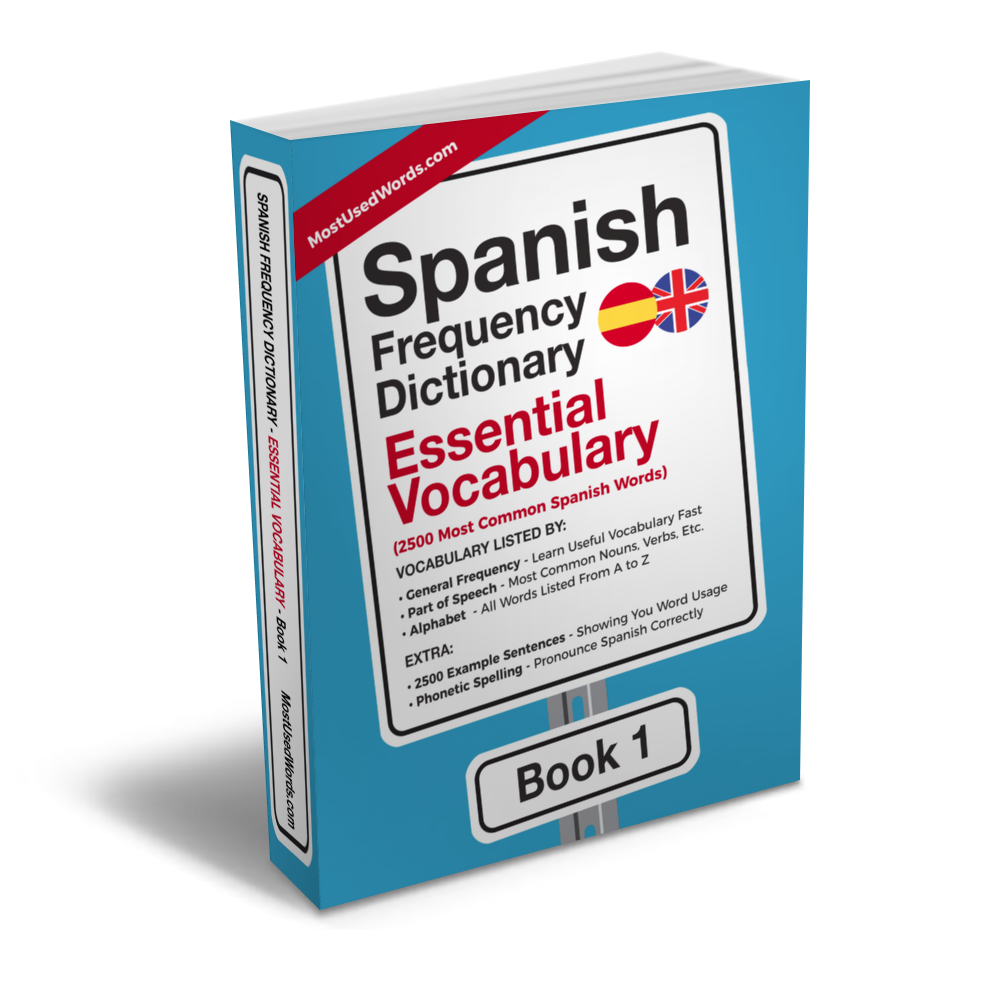
2,500 most common Spanish words with IPA pronunciation & bilingual example sentences
Related Articles
Build Your Spanish Vocabulary Systematically
The fastest way to grow your Spanish vocabulary is to start with the words you'll actually encounter every day. The Spanish Frequency Dictionary covers the 2,500 most common Spanish words, each with IPA pronunciation, an English translation, and bilingual example sentences.
Browse the full range of Spanish frequency dictionaries to find the volume that matches your level.