How to Say Granted in Spanish | MostUsedWords.com
As of 2026, understanding the nuances of translating "granted" into Spanish is crucial for effective communication in both formal and informal settings.
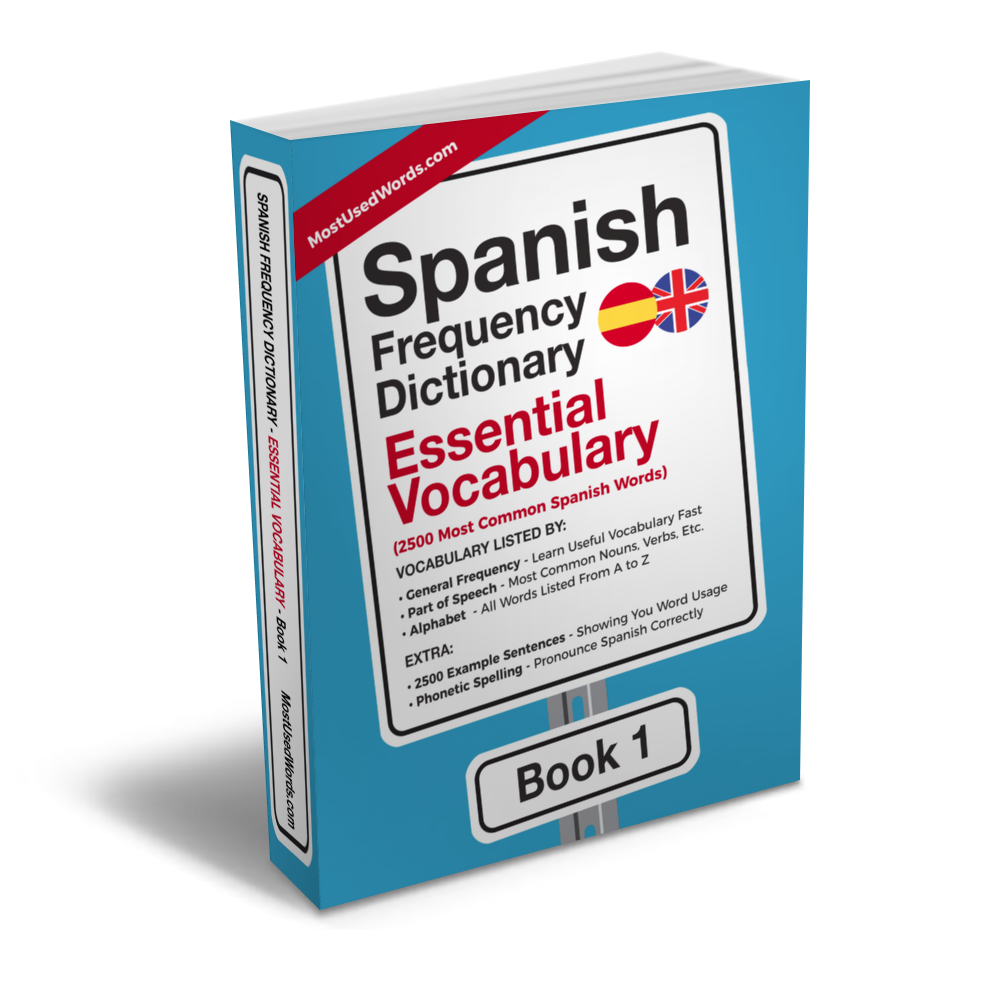
2,500 most common Spanish words with IPA pronunciation & bilingual example sentences
How to Say "Granted" in Spanish
In Spanish, the term "granted" can be translated in several ways, each carrying its own subtle distinctions in meaning. The most common equivalents include concedido (IPA: /konsediðo/), dado (IPA: /ˈdaðo/), asumiendo (IPA: /asumiˈendo/), and supuesto (IPA: /supuesto/).
Meaning of "Granted" in Spanish
Want to improve your Spanish?
The Spanish Frequency Dictionary series covers the 10,000 most common Spanish words — ranked by how often native speakers actually use them, with IPA pronunciation, English translations, and bilingual example sentences at every level.
Browse the full series →Understanding the various translations of "granted" in Spanish is crucial for effective communication. Here is a breakdown of the meanings associated with each term:
- Concedido: Implies the act of granting a request or permission, often after careful consideration.
- Dado: Signifies giving or providing something to someone.
- Asumiendo: Reflects the act of assuming or accepting something without further inquiry.
- Supuesto: Suggests a presumption or an assumption made without explicit confirmation.
 Take a look at our series of frequency dictionaries to learn Spanish words fast. Stop learning hard, and start learning smart!
Usage in Formal vs Informal Settings
The term "concedido" is often used in formal settings to convey the act of granting a request or permission. For instance:
- La solicitud de tiempo adicional fue concedida.
(The request for extra time was granted.)
Comparison with Other Languages
In other languages, such as French or German, the concept of "granted" is also expressed differently. For example:
- French: accordé (IPA: /akorde/)
- German: zugestanden (IPA: /tsoogəstˈlantn/)
Regional Variations in Spanish
While these terms are widely used, there might be slight regional variations:
- In Spain, "concedido" and "dado" are commonly used.
- In Latin American countries like Mexico or Argentina, you might also hear otorgado (IPA: /otoɾˈɡaðo/).
How to Say "Granted" in Spanish: Sample Sentences
Here are five sample sentences you can use:
- La solicitud de tiempo adicional fue concedida.
(The request for extra time was granted.)
- Dadas las circunstancias, no teníamos otra opción.
(Given the circumstances, we had no choice.)
- Asumiendo que estás de acuerdo, podemos continuar.
(Assuming you agree, we can proceed.)
- El supuesto resultado no fue el que esperábamos.
(The supposed outcome was not what we expected.)
- Los derechos fueron otorgados a la comunidad indígena.
(The rights were granted to the indigenous community.)
Frequently Asked Questions (FAQ)
What is "concedido" in Spanish?
Concedido: Implies granting a request or permission after careful consideration. For example, "La solicitud de tiempo adicional fue concedida."
How do you say "granted" in Latin American Spanish?
In Latin America, especially Mexico and Argentina, the term otorgado is commonly used to mean granted. For example, "Los derechos fueron otorgados a la comunidad indígena."
What's the difference between "dado" and "concedido"?
Dado: Signifies giving or providing something to someone. Concedido: Implies granting a request or permission after careful consideration.
Build Your Spanish Vocabulary Systematically
The fastest way to grow your Spanish vocabulary is to start with the words you'll actually encounter every day. The Spanish Frequency Dictionary covers the 2,500 most common Spanish words, each with IPA pronunciation, an English translation, and bilingual example sentences.
Browse the full range of Spanish frequency dictionaries to find the volume that matches your level.