How to Say Fluent in Spanish | MostUsedWords.com
As of 2026, mastering key vocabulary like "fluent" is crucial when learning a new language such as Spanish. Understanding how to say "fluent" accurately can significantly enhance your communication skills. In this article, we will delve into various ways to express fluency in Spanish, including substantive and verb forms, regional variations, and practical tips for achieving proficiency.

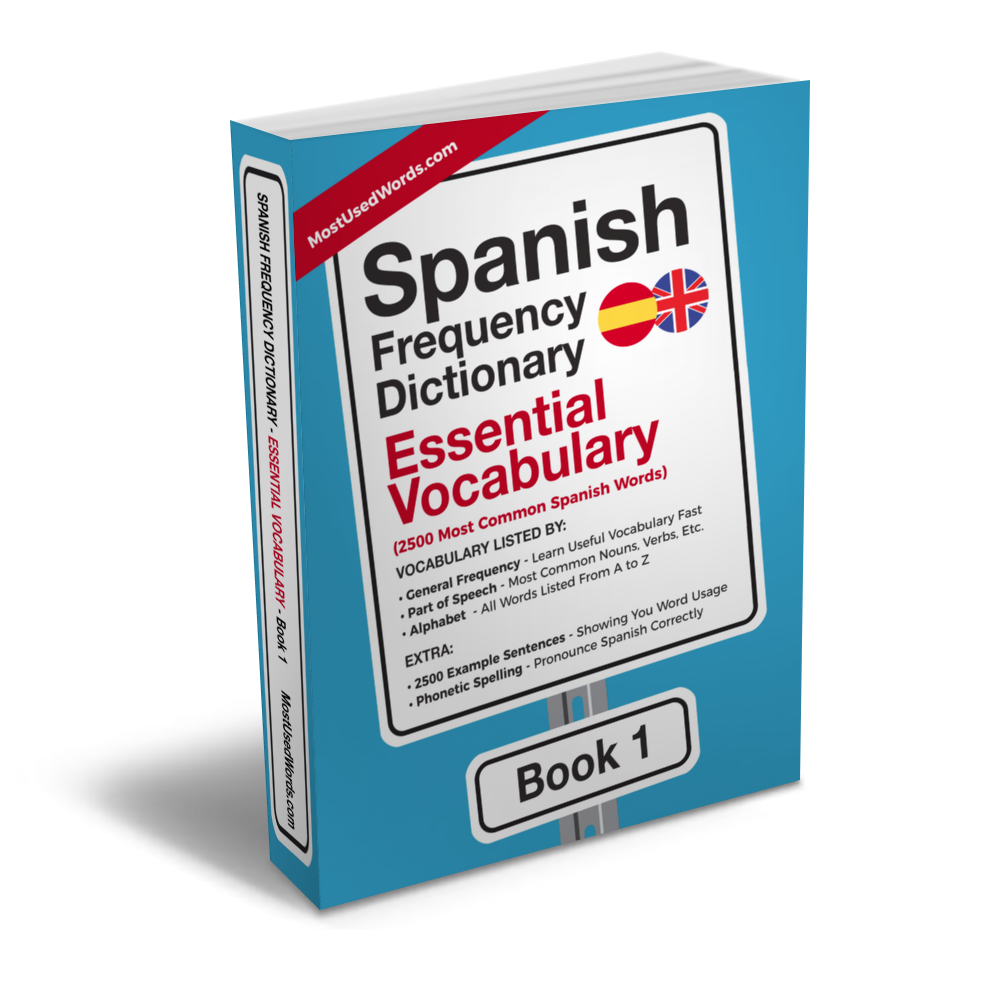
2,500 most common Spanish words with IPA pronunciation & bilingual example sentences
How to Say 'Fluent' in Spanish
The primary translation of "fluent" in Spanish is fluido (IPA: /ˈflu.i.do/). However, regional variations exist across different Spanish-speaking countries. Here are some common alternatives:
- Fluido (General Spanish): This term is widely used to describe someone who speaks a language with ease and proficiency.
- Suelto (Latin America): In Latin American regions, "suelto" emphasizes the ability to speak without hesitation or difficulty.
- Corriente (Spain): In Spain, "corriente" denotes natural and effortless language proficiency.
How to Say 'Fluency' in Spanish: Sample Sentences
Want to improve your Spanish?
The Spanish Frequency Dictionary series covers the 10,000 most common Spanish words — ranked by how often native speakers actually use them, with IPA pronunciation, English translations, and bilingual example sentences at every level.
Browse all 4 volumes →To better understand how to use these terms, here are some sample sentences:
- ¿Eres fluido en inglés?
(Are you fluent in English?)
- Mi hermana está aprendiendo francés, pero todavía no es fluida.
(My sister is learning French, but she's not fluent yet.)
- Necesito practicar más para ser fluida en italiano.
(I need to practice more to become fluent in Italian.)
- ¿Podrías hablar más despacio? No soy fluido en alemán.
(Could you speak slower? I'm not fluent in German.)
- Quiero ser fluido en japonés para poder comunicarme mejor.
(I want to be fluent in Japanese to communicate better.)
How to Achieve Fluency in Spanish
Achieving fluency involves consistent practice and immersion. Here are some tips:
- Daily Practice: Regularly use the language through conversations, writing, or reading.
- Cultural Immersion: Engage with native speakers and immerse yourself in Spanish-speaking environments.
- Vocabulary Building: Focus on learning high-frequency words to communicate effectively.
How-to-Become-Fluent-in-Spanish: Professional Contexts
In professional settings, fluency is often a requirement for positions that involve international communication. Being able to express your proficiency accurately can open up career opportunities and enhance your resume.
Spanish-Language Proficiency
To measure your progress towards fluency, consider taking language proficiency tests such as the DELE (Diplomas de Español como Lengua Extranjera) or SIELE (Servicio Internacional de Evaluación de la Lengua Española).

Build Your Spanish Vocabulary Systematically
The fastest way to grow your Spanish vocabulary is to start with the words you'll actually encounter every day. The Spanish Frequency Dictionary covers the 2,500 most common Spanish words, each with IPA pronunciation, an English translation, and bilingual example sentences.
Browse the full range of Spanish frequency dictionaries to find the volume that matches your level.