How to Say Finish in Spanish | MostUsedWords.com
As of 2026, understanding how to say "finish" in Spanish is crucial for effective communication across various contexts. The English noun "finish" can be translated into several Spanish words, each with its own unique shade of meaning and usage.

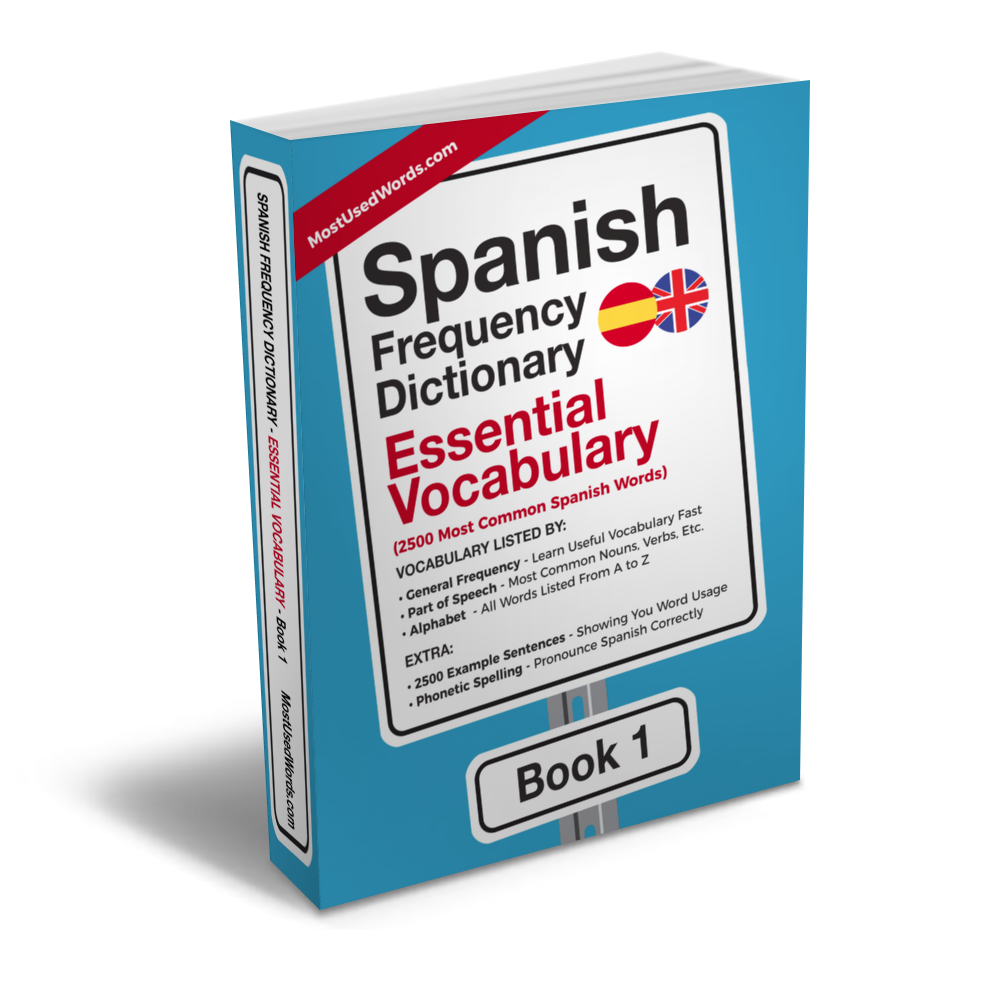
2,500 most common Spanish words with IPA pronunciation & bilingual example sentences
How to Say "Finish" in Spanish
The primary translations of the English word "finish" include terminar (IPA: /ter.miˈnar/), finalizar (IPA: /fi.na.liˈzar/), acabar (IPA: /a.kaˈbar/), and concluir (IPA: /konˈkluir/). Each of these verbs has its own nuances and is used in different contexts.
Meaning of "Finish" in Spanish
Want to improve your Spanish?
The Spanish Frequency Dictionary series covers the 10,000 most common Spanish words — ranked by how often native speakers actually use them, with IPA pronunciation, English translations, and bilingual example sentences at every level.
Browse all 4 volumes →- Terminar: This straightforward translation conveys the idea of reaching the end of a task or activity. It is widely understood across Spanish-speaking regions.
- Finalizar: Similar to "terminar," "finalizar" emphasizes the completion of a task with a sense of closure and finality. This term is commonly used in formal contexts and written documents.
- Acabar: With a hint of informality, "acabar" also means "to finish." It often carries a sense of relief upon completing a task. This term is frequently used in conversational Spanish.
- Concluir: Meaning "to conclude," "concluir" suggests the wrapping up of a process or activity, often in a systematic manner. It is another formal synonym for "finish."
In addition to these verbs, it's important to note that there are other Spanish words and phrases you can use to express the concept of completion, such as concluir (IPA: /konˈkluir/), which is often used in academic or professional contexts.
How to Say "End" in Spanish
The word for "end" in Spanish can be translated as fin (IPA: /fiŋ/). This noun is used widely and can refer to the end of a period, an event, or a task.
Spanish Verbs for Completion
In addition to "terminar," "finalizar," "acabar," and "concluir," there are other Spanish verbs that can be used to express the idea of completion. For instance, culminar (IPA: /kul.miˈnaɾ/), which is more formal and often used in Spain but less common in Latin American countries.
Regional Variations
As with any language, regional variations can lead to differences in word choice. In Spain, you might come across the term culminar (IPA: /kul.miˈnaɾ/), which shares the essence of "finish." However, it is essential to note that this term might not be as commonly used in Latin American countries.
How to Say "Finish" in Spanish: Sample Sentences
Here are several sample sentences you can use:
- Terminaré el proyecto para mañana.
(I will finish the project by tomorrow).
- Ella quiere acabar su comida antes de irse.
(She wants to finish her meal before leaving).
- Ellos terminaron la carrera en tiempo récord.
(They finished the race in record time).
- Es importante finalizar lo que empiezas.
(It's important to finish what you start).
- Necesitamos concluir la presentación antes de la reunión.
(We need to finish the presentation before the meeting).
Build Your Spanish Vocabulary Systematically
The fastest way to grow your Spanish vocabulary is to start with the words you'll actually encounter every day. The Spanish Frequency Dictionary covers the 2,500 most common Spanish words, each with IPA pronunciation, an English translation, and bilingual example sentences.
Browse the full range of Spanish frequency dictionaries to find the volume that matches your level.