How to Say Feelings in Spanish | Expressing Emotions En Espa
As of 2026, expressing emotions and feelings is a crucial aspect when learning Spanish. In this article, we will explore the various ways to say "feelings" in Spanish, including expressions for discussing emotions and common phrases used in different contexts.
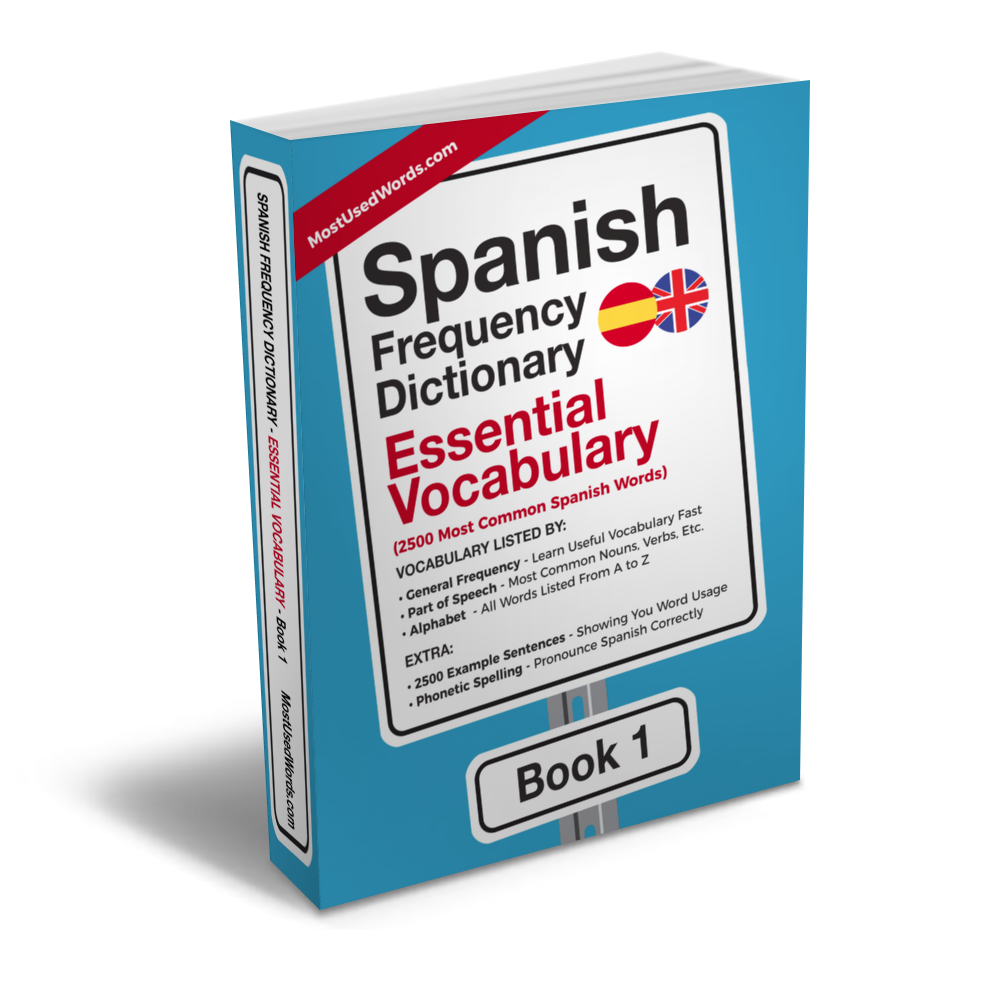
2,500 most common Spanish words with IPA pronunciation & bilingual example sentences
What are Feelings in Spanish?
In Spanish, the word for "feelings" is sentimientos (IPA: /sen.tiˈmjen.tos/). This term encompasses a wide range of emotional experiences and sentiments that individuals express. Understanding how to use this term correctly can significantly enhance your ability to communicate effectively in Spanish.
Meaning of "Feelings" in Spanish
Want to improve your Spanish?
The Spanish Frequency Dictionary series covers the 10,000 most common Spanish words — ranked by how often native speakers actually use them, with IPA pronunciation, English translations, and bilingual example sentences at every level.
Browse all 4 volumes →The concept of feelings in Spanish is rich and nuanced, covering both the intensity of emotions (emociones) and personal emotional states (sentimientos). Here’s a breakdown:
- Emociones (IPA: /emoˈθjones/): Refers to intense and often transient emotions such as happiness (felicidad), sadness (tristeza), anger (enojo), fear (miedo), and love (amor).
- Sentimientos: Represents the subjective, personal experiences that form an individual's emotional state. Sentimientos can refer to both positive and negative emotions like joy (alegría), sorrow (pena), gratitude (agradecimiento), or resentment (rencor).
- Sensaciones (IPA: /sen.saˈθjones/): Describes physical and emotional sensations such as pleasure (placer), discomfort (incomodidad), or nervousness (nerviosismo).
Cultural Nuances in Expressing Feelings
In Spanish-speaking cultures, expressing feelings can vary widely depending on the context. For example:
- Latin American countries tend to be more expressive and open about their emotions.
- In Spain, there might be a preference for understatement or indirect expression of strong feelings.
Synonyms of "Feelings" in Spanish
Beyond the word sentimientos, here are some synonyms that can help you express emotions more precisely:
- Afectos (IPA: /a.ˈfek.tos/): Refers to affections or sentiments, indicating a deep emotional attachment.
- Pasiones (IPA: /pa.ˈsjo.nes/): Describes passions or intense emotions that drive individuals.
- Vivencias (IPA: /bi.ˈβen.θjas/): Refers to experiences that generate emotional responses.
- Sensibilidades (IPA: /sen.si.bi.li.ˈða.des/): Describes sensitivities or heightened emotional responsiveness.
- Estados de ánimo (IPA: /es.ˈta.ðos ðe ˈa.mo/): Refers to moods or states of mind that influence one's overall emotional state.
Common Phrases for Discussing Feelings in Spanish
To discuss feelings more effectively, consider these common phrases:
- Tengo muchos sentimientos encontrados acerca de esta situación.
- No puedo evitar sentirme triste cuando pienso en ello.
- Siento una gran alegría al ver a mis amigos.
How to Say "Feelings" in Spanish: Sample Sentences and Dialogues
Here are some sample sentences and dialogues you can use:
- Tengo muchos sentimientos encontrados acerca de esta situación.
- No puedo evitar sentirme triste cuando pienso en ello.
- Siento una gran alegría al ver a mis amigos.
Build Your Spanish Vocabulary Systematically
The fastest way to grow your Spanish vocabulary is to start with the words you'll actually encounter every day. The Spanish Frequency Dictionary covers the 7,500 most common Spanish words, each with IPA pronunciation, an English translation, and bilingual example sentences.
Browse the full range of Spanish frequency dictionaries to find the volume that matches your level.