How to Say Family Members in Spanish | MostUsedWords.com
As of 2026, learning how to express "family members" in Spanish is crucial for effective communication across various Spanish-speaking countries. In this article, we will explore the different ways to say "family members," including regional dialects and unique terms used in specific cultures.
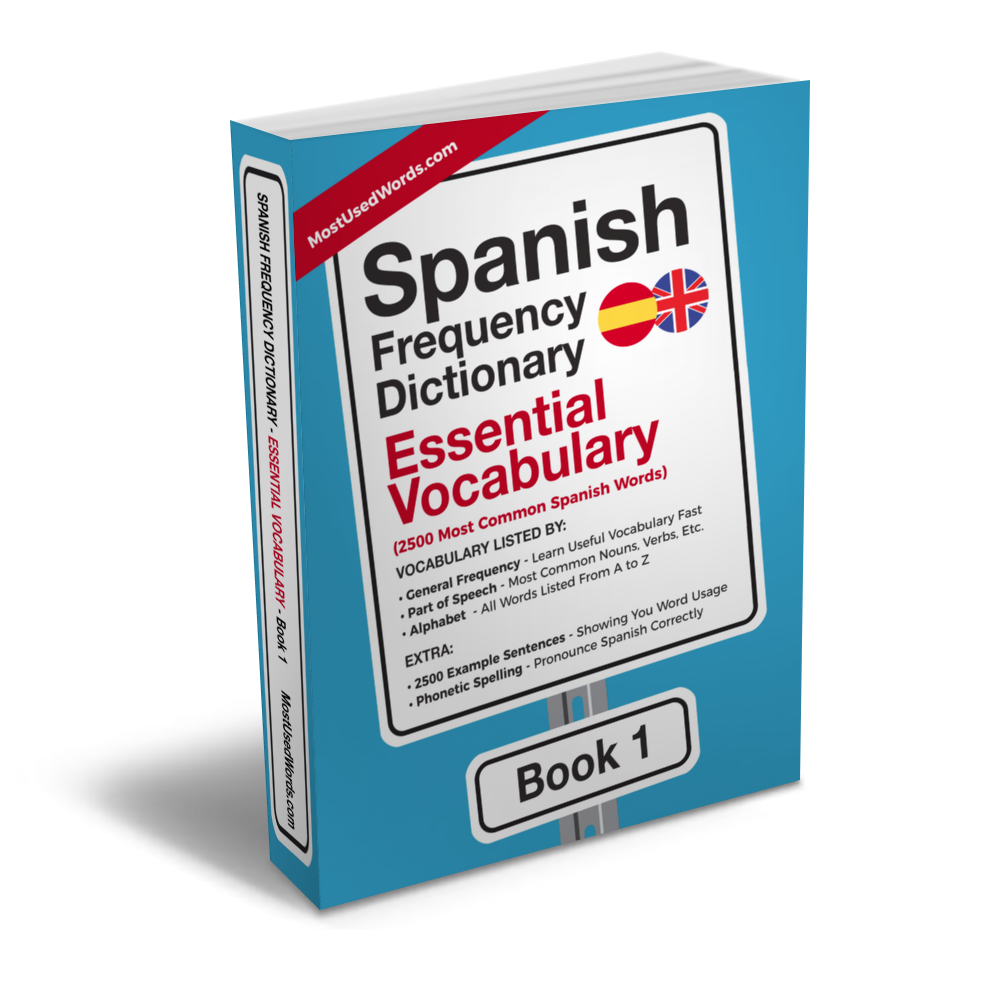
2,500 most common Spanish words with IPA pronunciation & bilingual example sentences
What are Family Members Called in Spanish?
In Spanish, the term "family members" can be translated as miembros de la familia (/mi.ˈem.bɾos de la fa.mi.ˈlja/). This is a general and widely accepted translation across all Spanish-speaking regions. However, it's important to note that regional variations exist in vocabulary and pronunciation.
Different Terms for Family Members in Spanish
Want to improve your Spanish?
The Spanish Frequency Dictionary series covers the 10,000 most common Spanish words — ranked by how often native speakers actually use them, with IPA pronunciation, English translations, and bilingual example sentences at every level.
Browse all 4 volumes →To understand the nuances of "family members" in Spanish, let us explore various translations:
- Familiares (IPA: /fa.mi.ˈlja.ɾes/): This term refers to family members broadly, including immediate and extended family as well as relatives.
- Parientes (IPA: /pa.ˈɾjen.tes/): In Spanish, "parientes" specifically denotes relatives, encompassing both close and distant relations like aunts, uncles, and cousins.
- Familia (/fa.mi.ˈlja/): While "familia" translates to "family," it can also be used to refer to family members collectively, such as in the sentence "Mi familia es muy unida" (My family is very close).
Pronunciation Guide for Key Vocabulary
To help you pronounce these terms correctly:
- miembros de la familia: /mi.ˈem.bɾos de la fa.mi.ˈlja/
- familiares: /fa.mi.ˈlja.ɾes/
- parientes: /pa.ˈɾjen.tes/
- familia: /fa.mi.ˈlja/
Cultural Context and Regional Variations
In different Spanish-speaking countries, unique terms are used to describe family members. For example, in some regions of Latin America, "tío" (uncle) can be used for both maternal and paternal uncles, while in Spain, it is more common to specify "tío abuelo" or "tío padre."
How to Say Family Members in Spanish: Sample Sentences
To further your understanding, here are five sample sentences:
- Mis padres son miembros de la familia.
- (My parents are family members.)
- Tengo tres hermanos en mi familia.
- (I have three siblings in my family.)
- Mis tíos son parientes cercanos.
- (My uncles are close relatives.)
- Mis primos son parte de mi familia extendida.
- (My cousins are part of my extended family.)
- Mi abuela es uno de mis familiares favoritos.
- (My grandmother is one of my favorite relatives.)
Build Your Spanish Vocabulary Systematically
The fastest way to grow your Spanish vocabulary is to start with the words you'll actually encounter every day. The Spanish Frequency Dictionary covers the 2,500 most common Spanish words, each with IPA pronunciation, an English translation, and bilingual example sentences.
Browse the full range of Spanish frequency dictionaries to find the volume that matches your level.