How to Say Expertise in Spanish | MostUsedWords.com
As of 2026, understanding the nuances of various terms and their translations is essential for effective communication. In this article, we will delve into how to say "expertise" in Spanish, exploring its meaning and providing valuable insights into linguistic variations across different regions.
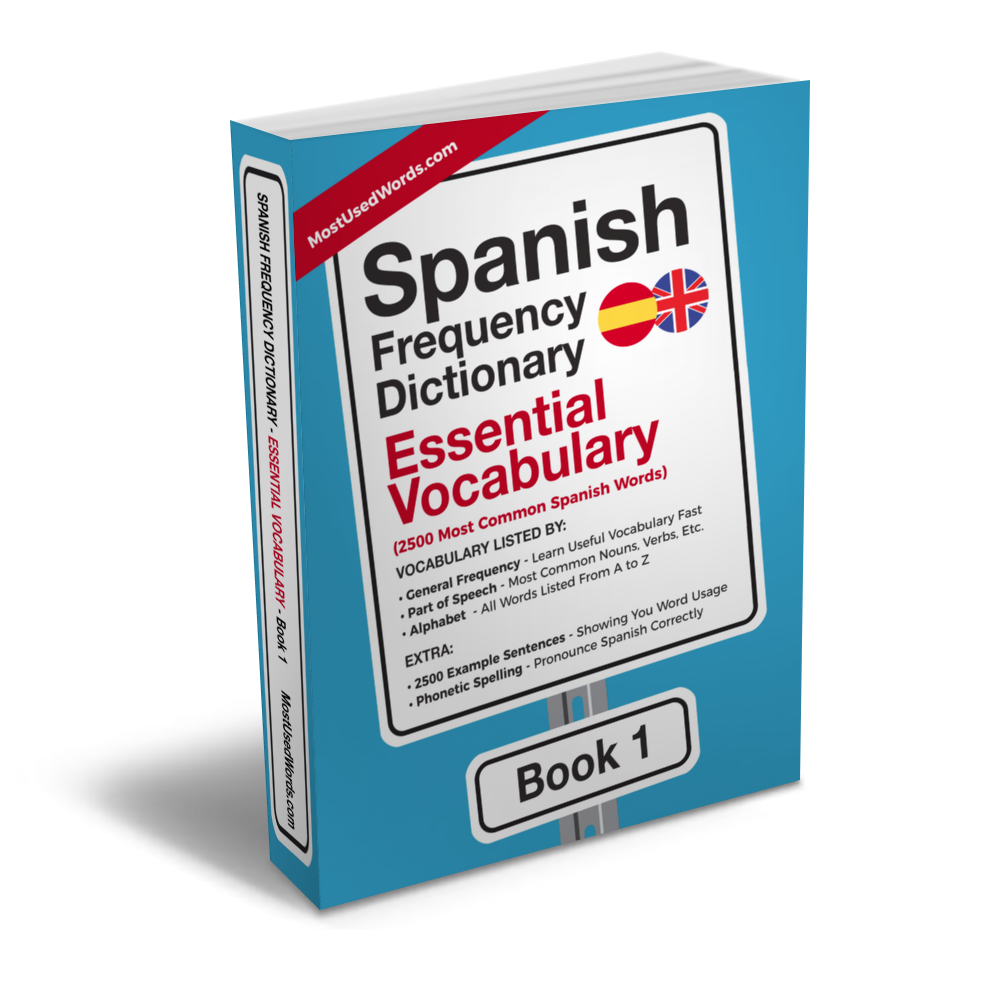
2,500 most common Spanish words with IPA pronunciation & bilingual example sentences
What is "Expertise" in Spanish?
The term "expertise" refers to a high level of skill, knowledge, or experience in a particular field. In Spanish, the equivalent term is pericia (IPA: /peˈɾiθja/), which encapsulates the idea of proficiency and mastery in a specific domain.
Meaning of "Expertise" in Spanish
Want to improve your Spanish?
The Spanish Frequency Dictionary series covers the 10,000 most common Spanish words — ranked by how often native speakers actually use them, with IPA pronunciation, English translations, and bilingual example sentences at every level.
Browse the full series →"Pericia," the Spanish counterpart of "expertise," encompasses the depth of skill and expertise a person possesses in their chosen area. This term reflects the dedication and time invested in honing one's abilities to achieve a level of mastery.
Synonyms of "Expertise" in Spanish
Here are some synonyms for the term "pericia" in Spanish, along with their definitions:
- Destreza (IPA: /desˈtɾeθa/): Skill, expertise, or proficiency in performing a task or activity.
- Competencia (IPA: /kom.peˈten.θja/): Competence or ability to successfully perform a specific task or function.
- Maestría (IPA: /ma.esˈtɾi.a/): Mastery, great skill, or superior knowledge in a particular field or activity.
- Habilidad (IPA: /a.bi.liˈðad/): Ability, capability, or aptitude to perform a task or job effectively.
- Experiencia (IPA: /eks.pe.ɾjenˈθja/): Experience, the knowledge and skills gained through practical involvement or time spent in a certain activity or profession.
- Capacidad (IPA: /ka.paˈsi.dad/): Capacity, the inherent ability to perform or accomplish something, often used to describe someone's potential for mastering a skill.
How to Develop Expertise in Spanish
Developing expertise in Spanish involves consistent practice and immersion. Here are some steps you can take:
- Study the language intensively.
- Practice with native speakers.
- Read extensively in Spanish.
- Watch and listen to media in Spanish.
Regional Differences in Terminology for Expertise
Across different regions of the Spanish-speaking world, there are variations in terminology related to expertise. For example:
- In Spain: "Pericia" is commonly used.
- In Latin America: Terms like "destreza," "maestría," and "habilidad" are more prevalent.
Common Phrases Related to Expertise
Here are some common phrases related to expertise in Spanish:
- "Tiene una gran pericia en el arte culinario."
- "El ingeniero demostró su pericia resolviendo problemas complejos."
- "La pericia médica fue crucial para el diagnóstico preciso."
- "Su pericia en la danza flamenca es reconocida internacionalmente."
- "Necesitamos alguien con pericia en finanzas para liderar este proyecto."
These phrases can help you express your expertise in various contexts.
 Take a look at our series of frequency dictionaries to learn Spanish words fast. Stop learning hard, and start learning smart!
Frequently Asked Questions
What is the best way to improve my expertise in Spanish?
To improve your expertise in Spanish, focus on consistent practice through reading, writing, speaking, and listening. Engage with native speakers and immerse yourself in Spanish media.
Are there regional differences in how "expertise" is expressed in Spanish?
Yes, different regions of the Spanish-speaking world use various terms to express expertise. For example, "pericia" is common in Spain while "destreza," "maestría," and "habilidad" are more prevalent in Latin America.
What are some common phrases related to expertise?
Common phrases include:
- "Tiene una gran pericia en el arte culinario."
- "El ingeniero demostró su pericia resolviendo problemas complejos."
Build Your Spanish Vocabulary Systematically
The fastest way to grow your Spanish vocabulary is to start with the words you'll actually encounter every day. The Spanish Frequency Dictionary covers the 2,500 most common Spanish words, each with IPA pronunciation, an English translation, and bilingual example sentences.
Browse the full range of Spanish frequency dictionaries to find the volume that matches your level.