How to Say Experience in Spanish for Beginners
As of 2026, understanding the concept of "experience" in Spanish is crucial for anyone looking to communicate effectively in a globalized world. The word "experience" can be translated into Spanish as experiencia (IPA: /ek.pe.ɾi.'en.θja/), but there are several nuances and related terms that enrich the meaning of this concept.
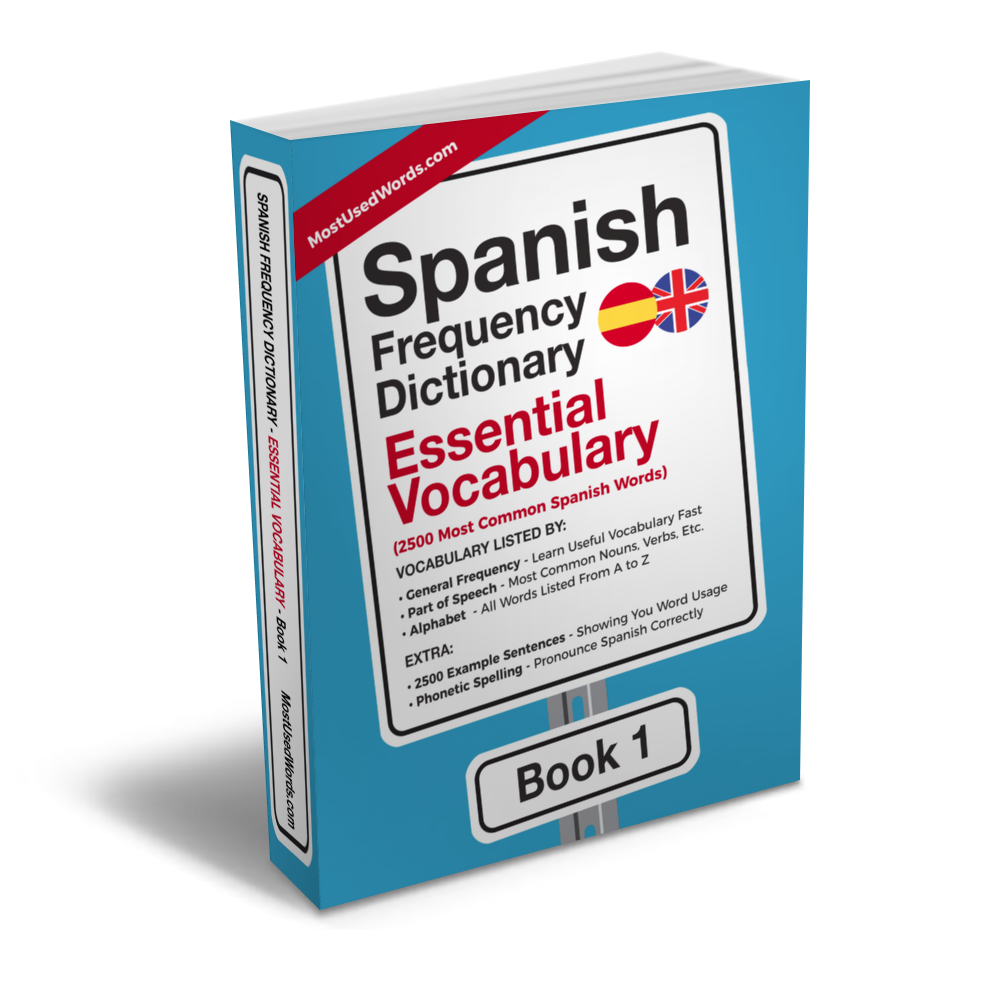
2,500 most common Spanish words with IPA pronunciation & bilingual example sentences
What is "Experience" in Spanish?
In Spanish, "experience" can be expressed through various words depending on the context:
- Experiencia: This term refers to a personal encounter or event that leaves a lasting impression and contributes to personal growth. For example: "Tengo mucha experiencia en el campo de la medicina." (I have a lot of experience in the field of medicine.)
- Vivencia: This term emphasizes an intense, deeply felt personal experience that significantly impacts one's life. Example: "Esta fue una vivencia inolvidable." (This was an unforgettable experience.)
- Trayectoria: While not a direct translation of "experience," this word refers to the trajectory or life path of an individual, implying the accumulation of experiences over time. Example: "Mi trayectoria profesional me ha brindado una amplia experiencia en la industria hotelera." (My professional career has provided me with extensive experience in the hotel industry.)
- Práctica: This term specifically refers to practical experience or hands-on learning gained through direct engagement. Example: "Necesito más práctica para mejorar mi experiencia en el piano." (I need more practice to improve my experience in playing the piano.)
- Pericia: Emphasizing expertise or skill acquired over time, this term refers to proficiency gained by engaging in a specific task. Example: "Ha adquirido una gran pericia en la cocina después de tantos años de experiencia." (He/she has gained great expertise in cooking after so many years of experience.)
Cultural Significance and Idioms Related to "Experience" in Spanish-Speaking Countries
Want to improve your Spanish?
The Spanish Frequency Dictionary series covers the 10,000 most common Spanish words — ranked by how often native speakers actually use them, with IPA pronunciation, English translations, and bilingual example sentences at every level.
Browse all 4 volumes →In Spanish-speaking cultures, the concept of experience is deeply rooted in personal growth and wisdom. For instance, phrases like "La experiencia es la madre de la ciencia" (Experience is the mother of science) highlight the value placed on practical knowledge gained through life's challenges.
How to Use "Experience" in Different Contexts
To effectively use these terms, consider the context and emotional weight of the experience being described. For instance:
- "Tengo experiencia en liderazgo." (I have leadership experience.)
- "Esta vivencia me cambió la vida." (This experience changed my life.)
- "Su trayectoria profesional es impresionante." (His/her professional trajectory is impressive.)
- "Necesito más práctica para mejorar mi habilidad en el piano." (I need more practice to improve my skill in playing the piano.)
- "Ella ha adquirido una gran pericia en la gestión de proyectos." (She has gained great expertise in project management.)
The Spanish Frequency Dictionary is a valuable resource for expanding your vocabulary and understanding of these nuanced terms. It includes the 10,000 most common words in Spanish, each with IPA pronunciation, an English translation, and bilingual example sentences.
Build Your Spanish Vocabulary Systematically
The fastest way to grow your Spanish vocabulary is to start with the words you'll actually encounter every day. The Spanish Frequency Dictionary covers the 2,500 most common Spanish words, each with IPA pronunciation, an English translation, and bilingual example sentences.
Browse the full range of Spanish frequency dictionaries to find the volume that matches your level.