How to Say Essay in Spanish | MostUsedWords.com
Updated for 2026, the word "essay" in Spanish is "ensayo". This term is widely used across various contexts, not just academic ones.
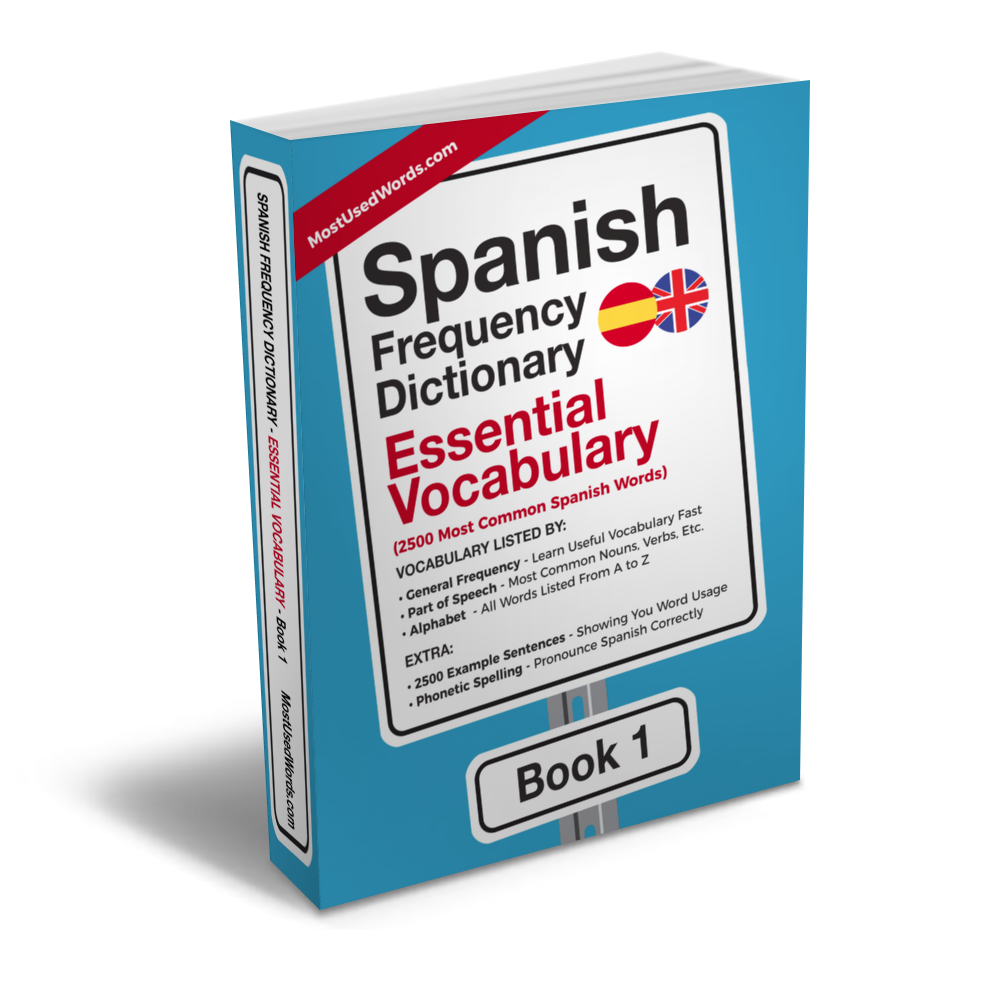
2,500 most common Spanish words with IPA pronunciation & bilingual example sentences
What is "Essay" in Spanish?
The term ensayo (IPA: /enˈsaʝo/) encompasses a range of meanings. In an educational setting, it refers to a piece of writing that presents the author's thoughts or arguments on a specific topic. However, outside academia, "ensayo" can also mean a test or trial.
Meaning and Usage
Want to improve your Spanish?
The Spanish Frequency Dictionary series covers the 10,000 most common Spanish words — ranked by how often native speakers actually use them, with IPA pronunciation, English translations, and bilingual example sentences at every level.
Browse all 4 volumes →Escribir un ensayo: To write an essay. Presentar una argumentación en el ensayo: To present an argumentation in the essay. Desarrollar la tesis del ensayo: To develop the thesis of the essay.
In everyday contexts, "ensayo" can also refer to a rehearsal or practice session. For instance, "Vamos a hacer un ensayo antes de la presentación." (We are going to do a rehearsal before the presentation.)
Translating “Essay” to Spanish
In academic settings, "ensayo" is commonly used, but other terms such as "composición" and "trabajo práctico" may also be employed.
Regional Differences in Usage of "Ensayo"
While "ensayo" is widely understood across Spanish-speaking countries, there are regional variations:
- In Mexico, "ensayo" is the most commonly used term for an essay.
- In Argentina, "trabajo práctico" (IPA: /tɾa.ˈβa.xo ˈpɾak.ti.ko/) is sometimes preferred over "ensayo."
- In Spain, both "artículo" and "ensayo" are used depending on the context.
Common Mistakes When Using “Ensayo”
A common mistake is to confuse "ensayo" with other terms like "prueba," which means test or trial. Another frequent error is using "trabajo práctico" in contexts where it does not fit.
How to Structure an Essay in Spanish
To structure an essay effectively, follow these steps:
- Introducción: Introduce your topic and thesis statement.
- Cuerpo del ensayo: Develop each argument with evidence and examples.
- Conclusión: Summarize the main points and restate the thesis.
Sample Sentences for Different Types of Essays in Spanish
Here are sample sentences for different types of essays:
- Persuasive essay: "Escribí un ensayo persuasivo sobre la importancia de reciclar."
- Informative essay: "El ensayo informativo debe presentar datos y hechos objetivos."
- Analytical essay: "Para escribir un ensayo analítico, es necesario examinar varios puntos de vista."
Build Your Spanish Vocabulary Systematically
The fastest way to grow your Spanish vocabulary is to start with the words you'll actually encounter every day. The Spanish Frequency Dictionary covers the 2,500 most common Spanish words, each with IPA pronunciation, an English translation, and bilingual example sentences.
Browse the full range of Spanish frequency dictionaries to find the volume that matches your level.