How to Say Enjoy in Spanish | MostUsedWords.com
As of 2026, "disfruta" is the most common way to express "enjoy" in Spanish. This verb encapsulates the idea of savoring and relishing an experience, making it essential for anyone looking to connect with native speakers on a deeper level.

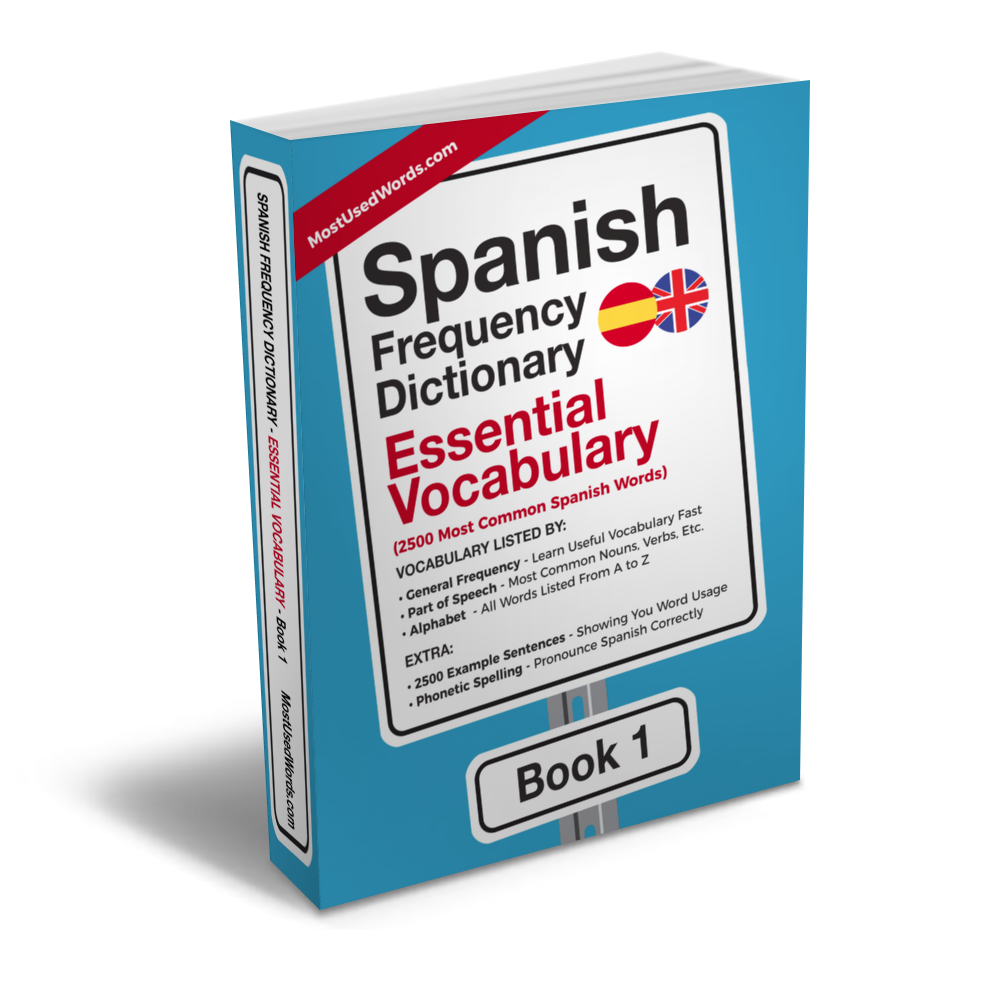
2,500 most common Spanish words with IPA pronunciation & bilingual example sentences
How to Say 'Enjoy' in Spanish: A Comprehensive Guide
The primary way to express "enjoy" in Spanish is disfruta (IPA: /disˈfɾu.ta/). This verb, derived from the noun "disfrute," meaning "enjoyment" or "pleasure," is widely used across Spanish-speaking regions. Understanding how and when to use "disfruta" can significantly enhance your language skills.
Meaning of 'Enjoy' in Spanish
Want to improve your Spanish?
The Spanish Frequency Dictionary series covers the 10,000 most common Spanish words — ranked by how often native speakers actually use them, with IPA pronunciation, English translations, and bilingual example sentences at every level.
Browse all 4 volumes →In English, "enjoy" refers to taking pleasure in an activity, object, or moment. Similarly, disfruta encapsulates the joy and appreciation of a particular experience. It conveys relishing the present moment and making the most of it.
Synonyms for 'Enjoy' in Spanish with Pronunciation Guides
Beyond "disfruta," there are several other verbs that express similar sentiments:
- Goza (IPA: /ˈɡo.sa/): Enjoy. It refers to experiencing pleasure or satisfaction from something.
- Saborea (IPA: /sa.bo.ˈɾe.a/): Savor. It means to relish or enjoy something fully, particularly in terms of taste or experience.
- Aprovecha (IPA: /a.pɾo.ˈβe.tʃa/): Take advantage. It refers to making the most of a situation or opportunity, deriving enjoyment or benefit from it.
- Diviértete (IPA: /di.ˈβjeɾ.te.te/): Have fun. It means to enjoy oneself, engage in enjoyable activities, or find amusement in something.
- Disfruta al máximo (IPA: /dis.fɾu.ta al ˈmak.si.mo/): Enjoy to the fullest. It implies making the most of an experience or opportunity, deriving maximum enjoyment or satisfaction from it.
- Regocíjate (IPA: /ɾe.ɣo.ˈθi.xa.te/): Rejoice. It signifies feeling joy, happiness, or satisfaction in a particular situation or experience.
- Disfrute (IPA: /disˈfɾu.te/): Delight. It denotes the act of enjoying or taking pleasure in something.
- Goce (IPA: /ˈɡo.se/): Pleasure. It denotes the state of experiencing enjoyment, satisfaction, or gratification.
How to Say 'Enjoy' in Spanish: Sample Sentences and Phrases
To better understand how these verbs are used in context:
- "Disfruta la música en vivo." (Enjoy the live music.)
- "Goza de tu tiempo libre." (Enjoy your free time.)
- "Saborea cada bocado del plato." (Savor each bite of the dish.)
- "Diviértete con tus amigos." (Have fun with your friends.)
- "Disfruta al máximo este viaje." (Enjoy this trip to the fullest.)
- "Regocíjate en tu éxito." (Rejoice in your success.)
- "Aprovecha esta oportunidad para aprender más." (Take advantage of this opportunity to learn more.)
- "Disfruta de la belleza del atardecer." (Enjoy the beauty of the sunset.)
Regional Variations for 'Enjoy' in Spanish
While "disfruta" is widely used, regional variations exist:
- Spain: In Spain, you may hear people say "goza" or "goza de."
- Mexico: In Mexico, "disfruta" remains the prevalent term for "enjoy," but you may also encounter "goza" or "goza de."
- Argentina: In Argentina, "disfrutá" is commonly used to mean "enjoy." The pronunciation has a slight variation, reflecting the distinctive accent of the region.
Build Your Spanish Vocabulary Systematically
The fastest way to grow your Spanish vocabulary is to start with the words you'll actually encounter every day. The Spanish Frequency Dictionary covers the 2,500 most common Spanish words, each with IPA pronunciation, an English translation, and bilingual example sentences.
Browse the full range of Spanish frequency dictionaries to find the volume that matches your level.