How to Say Each Other in Spanish | MostUsedWords.com
As of 2026, understanding how to express "each other" in Spanish is crucial for effective communication. This phrase, known as a reciprocal pronoun, plays a significant role in conveying mutual actions or feelings between individuals.

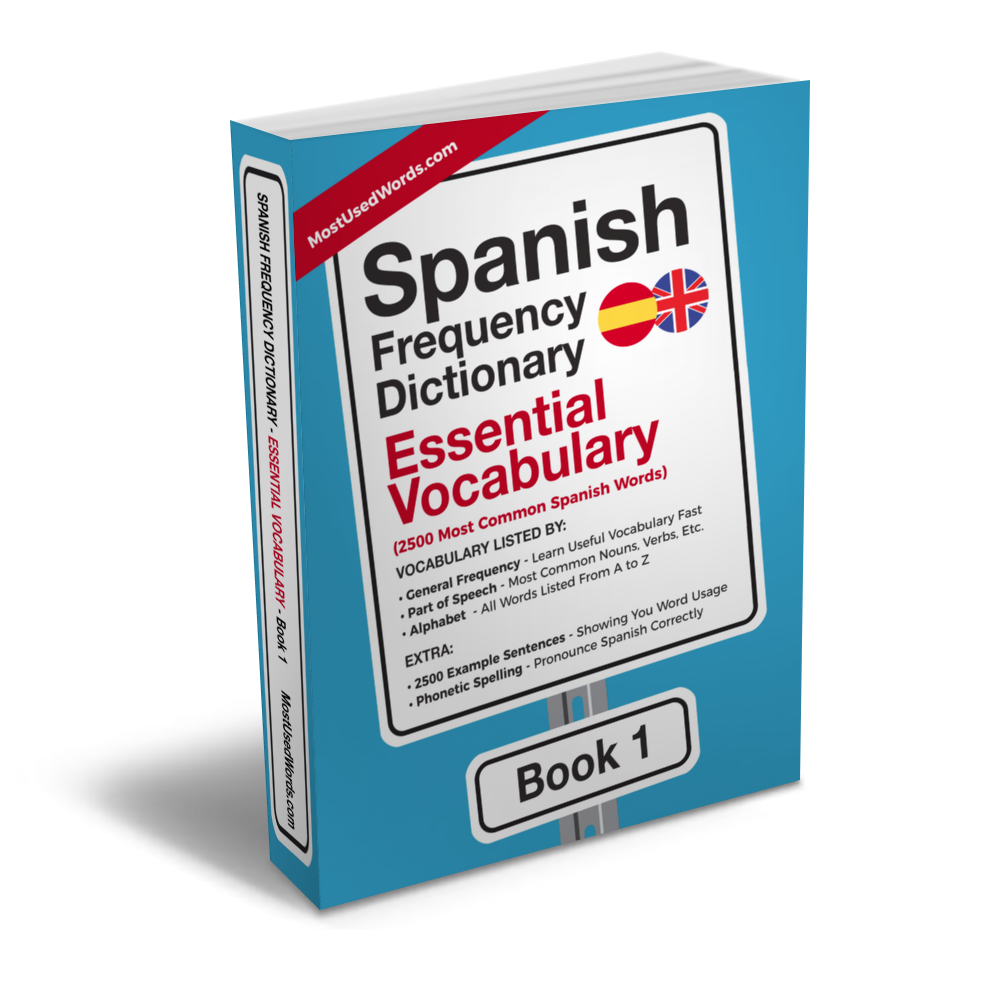
2,500 most common Spanish words with IPA pronunciation & bilingual example sentences
What is "Each Other" in Spanish?
The term "each other" in Spanish can be translated into several phrases depending on the context and regional variation. Here are some common expressions used to convey this idea:
- El uno al otro / la una a la otra (IPA: /el u.no al o.tɾo/ - /la u.na a la o.tɾa/) : This phrase is widely understood in both formal and informal settings across the Spanish-speaking world.
- Recíprocamente (IPA: /reˈθi.pro.kaˈmen.te/): Commonly used in formal and written contexts to express mutual actions or feelings.
- Mutuamente (IPA: /mu.tu.ˈa.men.te/): Often used to denote reciprocated actions or emotions between individuals.
- Entre sí (IPA: /ˈen.tɾe si/) : This phrase is particularly common in Spain and other European Spanish-speaking countries, especially when referring to mutual interactions within a group.
Using 'Each Other' in Spanish
Want to improve your Spanish?
The Spanish Frequency Dictionary series covers the 10,000 most common Spanish words — ranked by how often native speakers actually use them, with IPA pronunciation, English translations, and bilingual example sentences at every level.
Browse the full series →The usage of "each other" varies depending on the context and region. Here are some practical examples:
- Expressing Love and Affection: Use phrases like "se aman" (they love each other) or "se quieren" (they care for each other).
- Reciprocal Actions: Phrases such as "se ayudan" (they help each other) or "se entienden" (they understand each other) are frequently used.
- Group Interactions: Expressions like "nos escuchamos" (we listen to each other) or "nos respetamos" (we respect each other) highlight mutual understanding and cooperation in group settings.
- Long-Term Connections: Phrases such as "nos conocemos" (we know each other) or "nos vemos regularmente" (we see each other regularly) are used to describe long-lasting relationships.
- Celebrations and Special Occasions: During celebrations, use phrases like "se felicitan" (they congratulate each other) or "se regalan regalos" (they exchange gifts).
Spanish Reciprocal Pronouns: 'Entre Ellos'
The phrase "entre ellos" is another way to express mutual actions in Spanish. It translates literally as "among them," and it's commonly used when referring to a group of people interacting with each other.
Sample Sentences Using 'Entre Ellos'
- Los amigos se divierten entre ellos.
(The friends have fun among themselves.)
- Las estudiantes estudian juntas entre ellas.
(The students study together among each other.)
Comparison with Other Romance Languages
While the concept of "each other" is similar across Romance languages, the specific expressions vary. For instance, in French, you might use "les uns aux autres", and in Italian, "l'un l'altro/l'una all'altra". Understanding these differences can help enhance your language skills.
How to Say "Each Other" in Spanish: Sample Sentences
Here are more sample sentences using the phrases mentioned above:
- Nosotros nos amamos el uno al otro.
(We love each other.)
- Ellos se ayudan mutuamente en el trabajo.
(They help each other at work.)
- Los estudiantes se escuchan recíprocamente durante las discusiones.
(The students listen to each other during the discussions.)
- Mis amigos y yo nos conocemos desde la infancia.
(My friends and I have known each other since childhood.)
- Las parejas se regalan regalos mutuamente en San Valentín.
(Couples exchange gifts with each other on Valentine's Day.)

Frequently Asked Questions
What is the difference between 'mutuamente' and 'recíprocamente'?
Mutuamente emphasizes mutual actions or feelings, while recíprocamente focuses more on reciprocal relationships. Both are widely used in Spanish.
How do you say 'each other' when talking about a group?
When referring to a group, use phrases like "entre sí" (among themselves) or "unos con otros" (one with the others).
Can I use 'el uno al otro' in all contexts?
El uno al otro is versatile and can be used in both formal and informal settings, but it's more commonly used in a general sense.
What are some common phrases for expressing mutual actions?
Common phrases include "se ayudan" (they help each other), "se escuchan" (they listen to each other), and "se respetan" (they respect each other).
Build Your Spanish Vocabulary Systematically
The fastest way to grow your Spanish vocabulary is to start with the words you'll actually encounter every day. The Spanish Frequency Dictionary covers the 2,500 most common Spanish words, each with IPA pronunciation, an English translation, and bilingual example sentences.
Browse the full range of Spanish frequency dictionaries to find the volume that matches your level.