How to Say Cute in Spanish | MostUsedWords.com
As of 2026, "how to say cute in Spanish" remains a frequently asked question among English speakers eager to describe charming or attractive things and people accurately. Understanding the equivalent terms for "cute" in Spanish, along with their meanings and regional variations, can greatly enhance your vocabulary.
The English term "cute" is used to describe something or someone that is charming, adorable, or attractive. In Spanish, several words can convey similar meanings depending on the context and region. This article explores how-to-say-cute-in-spanish keywords and provides a detailed analysis of each term's usage in everyday conversations.
How to Say "Cute" in Spanish?
"Cute" has various translations in Spanish, each with its own nuances:
- Lindo (IPA: /ˈlindo/): Commonly used to describe something charming or cute. Example: Mi gato es muy lindo.
- Lindo, meaning "cute," is widely used in everyday conversations, especially when referring to animals and children.
- Bonito (IPA: /boˈnito/): Similar to "lindo," but can also mean beautiful or handsome. Example: Tienes un vestido muy bonito.
- Bonito, while versatile, is more commonly used in formal settings compared to lindo.
- Hermoso (IPA: /eɾˈmoso/): A more formal and poetic term for something beautiful or magnificent. Example: La puesta de sol es hermosa.
- Hermoso, often used in literature, is less common in everyday speech but adds a touch of elegance to descriptions.
- Adorable (IPA: /aðoˈɾable/): Used to describe someone or something lovable, charming, or cute. Example: Mi sobrina es adorable.
- Adorable, a direct translation of "cute," is frequently used in both spoken and written Spanish for its emotional impact.
- Tierno (IPA: /ˈtjerno/): Describes something cute or sweet in a sentimental way. Example: El cachorro es tan tierno.
- Tierno, often used for describing babies and pets, conveys a sense of innocence and affection.
- Gracioso (IPA: /gɾaˈθjoso/): Used for someone or something funny, amusing, or entertaining. Example: El payaso es muy gracioso.
- Gracioso, while not directly synonymous with "cute," is used to describe charmingly humorous individuals or objects.
- Simpático (IPA: /simˈpatiko/): Describes someone friendly, nice, or pleasant. Example: Mi vecino es muy simpático.
- Simpático, a versatile term for describing people, is less commonly used to describe objects as "cute."
In addition to these formal translations, many regions have their own colloquial expressions for "cute," such as:
- Chulo (Mexico): Used to describe something or someone cute or cool. Example: Ese perro es muy chulo.
- Chulo, a term popular in Mexico, is often used for describing pets and children with a playful tone.
- Piola (Argentina): Describes something or someone nice or cute. Example: Tu nueva casa es piola.
- Piola, a term unique to Argentina, is used in casual settings for its friendly and affectionate connotations.
- Mono (Spain): Used to describe something or someone cute or attractive. Example: Esa flor es muy mono.
- Mono, a term widely used in Spain, is often employed for its versatility and affectionate nature.
Usage of "Cute" in Everyday Conversations
Want to improve your Spanish?
The Spanish Frequency Dictionary series covers the 10,000 most common Spanish words — ranked by how often native speakers actually use them, with IPA pronunciation, English translations, and bilingual example sentences at every level.
Browse all 4 volumes →The word "cute" is frequently used in everyday Spanish conversations to describe people, animals, objects, or situations that are charming, attractive, or lovable. Understanding these contexts can provide deeper insights into the language's rich tapestry of expressions for admiration or affection.
Comparison with Other Languages
The concept of "cute" varies significantly across different languages and cultures. In Spanish, as in other languages, there are specific terms that capture the essence of cuteness, each with its own unique flavor and usage context.
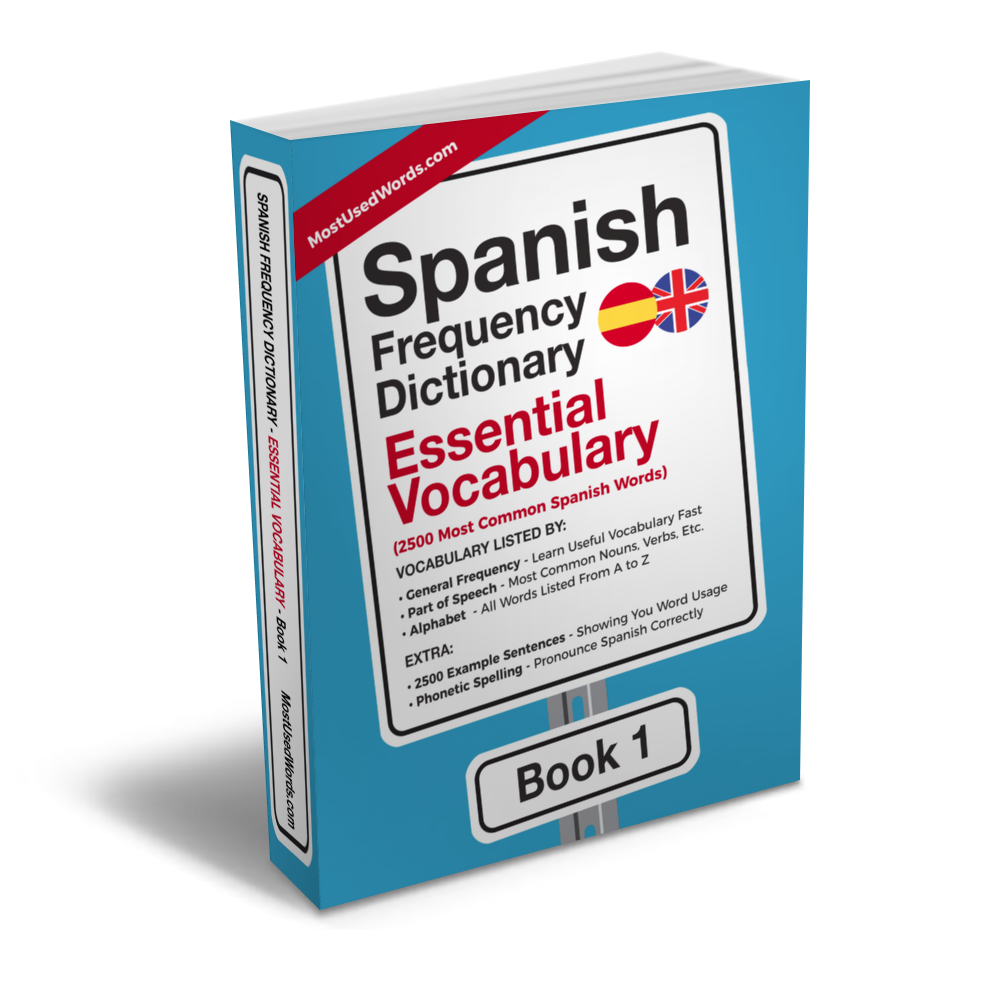
2,500 most common Spanish words with IPA pronunciation & bilingual example sentences
Build Your Spanish Vocabulary Systematically
The fastest way to grow your Spanish vocabulary is to start with the words you'll actually encounter every day. The Spanish Frequency Dictionary covers the 2,500 most common Spanish words, each with IPA pronunciation, an English translation, and bilingual example sentences.
Browse the full range of Spanish frequency dictionaries to find the volume that matches your level.