How to Say Curse in Spanish | MostUsedWords.com
As of 2026, the word "curse" in English can be translated into various forms in Spanish depending on cultural context and usage. In this article, we will explore different ways to express a curse in Spanish, delve into its historical background, and provide you with common phrases used in everyday conversation.

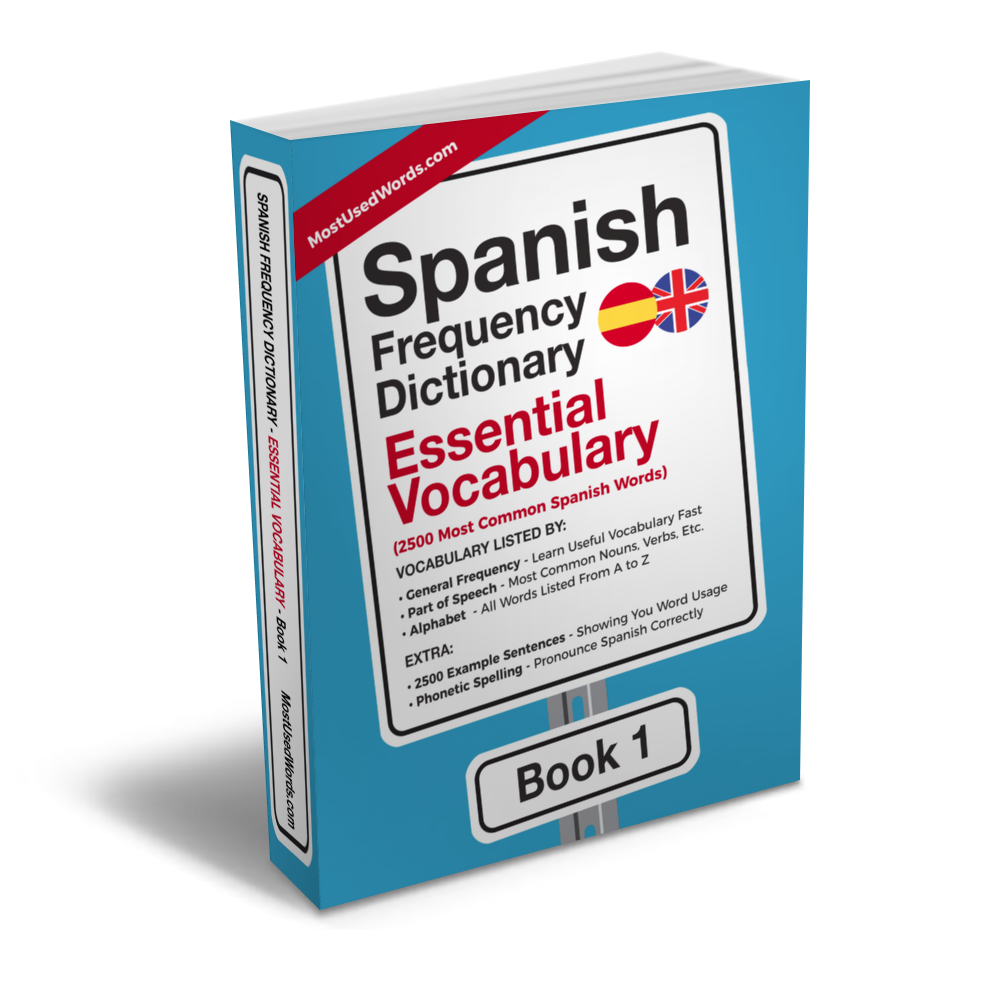
2,500 most common Spanish words with IPA pronunciation & bilingual example sentences
What is "Curse" in Spanish?
The most common translation for "curse" in Spanish is maldición (IPA: /malˈdiθjon/). This term is widely understood and used throughout the Spanish-speaking world. However, it's important to note that regional variations exist, and different countries may have their own unique terms for expressing this concept.
Meaning of "Curse" in Spanish
Want to improve your Spanish?
The Spanish Frequency Dictionary series covers the 10,000 most common Spanish words — ranked by how often native speakers actually use them, with IPA pronunciation, English translations, and bilingual example sentences at every level.
Browse all 4 volumes →In Spanish, maldición refers to an expression of ill-will or a wish for harm to befall someone or something. It is often used to describe a supernatural or mystical form of punishment or hex. The term can also be used more broadly to convey strong disapproval or condemnation. Given its potent and emotionally charged nature, it's advisable to use maldición with caution.
Historical Background of Spanish Curse Words
The history of curse words in Spanish is rich and varied, reflecting the cultural and linguistic evolution of the language over centuries. These terms have been used not only as expressions of anger or frustration but also as part of religious rituals and folk traditions across different regions.
Curses in Spanish Culture
Understanding how to say "curse" in Spanish is just one aspect; it's equally important to grasp the cultural context. Cursing can be a common occurrence in everyday conversation, especially among friends or in informal settings. However, its use varies significantly depending on social norms and regional customs.
Common Phrases Related to Cursing
In addition to maldición, there are several other phrases commonly used when expressing a curse:
- Demonios (demons): Often used as an exclamation of frustration or surprise.
- ¡Ay, Dios mío! (Oh my God!): Used to express shock or disbelief.
Regional Variations in Spanish Curse Words
As mentioned earlier, regional differences can lead to alternative terms for "curse." Here are a few examples:
- In Mexico and some parts of Central America, the term maleficio (IPA: /ma.leˈfi.θjo/) is commonly used.
- In Spain, particularly in Andalusia, the word juramento (IPA: /xu.ɾaˈmen.to/) can be used to describe a curse, though it's more often associated with an oath or swearword.
How to Say "Curse" in Spanish: Sample Sentences
Here are five sample sentences you can use:
- ¡Me lanzó una maldición!
(He cursed me!)
- Nuestra familia ha sufrido una maldición ancestral.
(Our family has suffered from an ancestral curse.)
- El viejo sabio pronunció un conjuro oscuro.
(The old sage uttered a dark curse.)
- La maldición divina cayó sobre ellos.
(The divine curse fell upon them.)
- Aquel brujo es conocido por sus maleficios.
(That sorcerer is known for his curses.)
Spanish Curse Words List
To further expand your knowledge, here's a list of common curse words and phrases in Spanish:
- Maldito (cursed)
- ¡Qué asco! (Yuck!)
- Zorra (bitch)

-
Build Your Spanish Vocabulary Systematically
The fastest way to grow your Spanish vocabulary is to start with the words you'll actually encounter every day. The Spanish Frequency Dictionary covers the 2,500 most common Spanish words, each with IPA pronunciation, an English translation, and bilingual example sentences.
Browse the full range of Spanish frequency dictionaries to find the volume that matches your level.