How to Say Cow in Spanish - Vaca Pronunciation and Usage
Updated for 2026, the term vaca is used in Spanish to refer to a female bovine animal that has given birth. In this comprehensive guide, we will explore the translation, meaning, pronunciation tips, cultural significance, and regional variations of "cow" in the Spanish language.

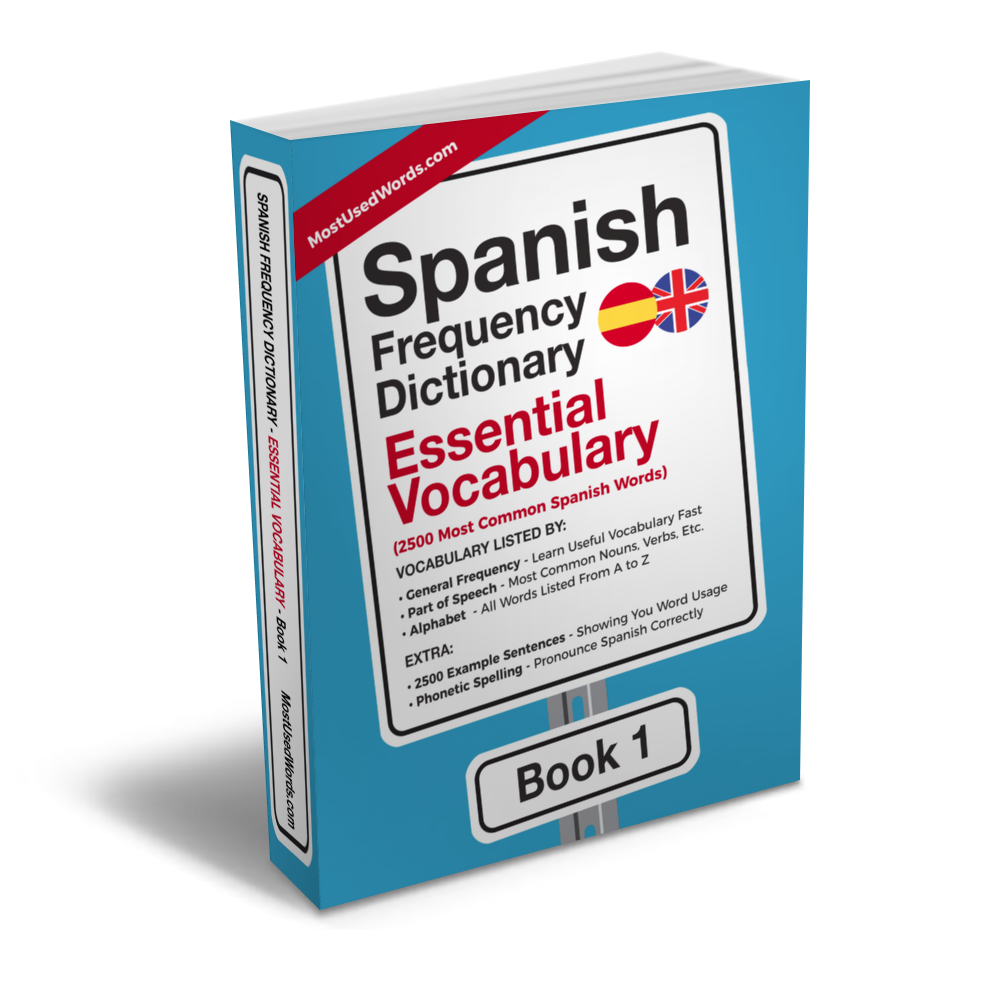
2,500 most common Spanish words with IPA pronunciation & bilingual example sentences
What is "Cow" in Spanish?
The Spanish translation for "cow" is vaca (IPA: /ˈba.ka/). This term is widely used across the Spanish-speaking world to refer to a female bovine animal that has given birth. However, there are regional variations and cultural nuances to consider when using this word.
Pronunciation Tips for Non-Native Speakers
Want to improve your Spanish?
The Spanish Frequency Dictionary series covers the 10,000 most common Spanish words — ranked by how often native speakers actually use them, with IPA pronunciation, English translations, and bilingual example sentences at every level.
Browse all 4 volumes →To help non-native speakers pronounce "vaca" correctly, remember that the stress is on the second syllable: /ˈba.ka/. This pronunciation guide will ensure you sound natural when using this term in conversation.
Cultural Significance of Cows in Spanish-Speaking Countries
In many Spanish-speaking countries, cows hold significant cultural and economic importance. They are not only a source of food but also play a crucial role in traditional festivals and daily life. For example, the Charrería, a Mexican equestrian tradition, often features cow-related activities. Understanding the cultural context can enrich your learning experience.
Vaca in Idiomatic Expressions and Proverbs
The word "vaca" is also used in various idiomatic expressions and proverbs that reflect its importance in Spanish-speaking cultures. For instance, “estar como la vaca en primavera”, which means to be very healthy or robust.
Vocabulary Usage with 'Vaca'
To further enhance your understanding of "vaca," here are some sample sentences:
- Tengo una vaca en mi granja. (I have a cow on my farm.)
- No me gusta la carne de vaca. (I don't like beef.)
- La vaca produce leche para hacer queso. (The cow produces milk to make cheese.)
Regional Variations
While "vaca" is the most common word for a cow across Spanish-speaking regions, there are some regional variations to be aware of:
- Spain: In Spain, particularly in the northern regions like Galicia, Asturias, and Cantabria, the term buey (IPA: /'bwej/) is used. This refers specifically to a castrated male bovine used mainly for labor or meat.
- Mexico: In Mexico, an alternative term for "cow" is bovino (IPA: /bo'bi.no/). This term is commonly used in scientific or formal contexts and within the cattle industry.
- Argentina: In Argentina, you may come across the term vacuno (IPA: /ba'ku.no/). It is another word for "cow" often used in professional or scientific contexts and also refers to the beef industry.
Build Your Spanish Vocabulary Systematically
The fastest way to grow your Spanish vocabulary is to start with the words you'll actually encounter every day. The Spanish Frequency Dictionary covers the 2,500 most common Spanish words, each with IPA pronunciation, an English translation, and bilingual example sentences.
Browse the full range of Spanish frequency dictionaries to find the volume that matches your level.