How to Say Country in Spanish | MostUsedWords.com
As of 2026, learning a new language like Spanish can be an exciting experience, especially when you want to know how to say "country name in Spanish." In this article, we will delve into the meaning of "país," its usage across different Spanish-speaking countries, and provide cultural insights that enhance your understanding.
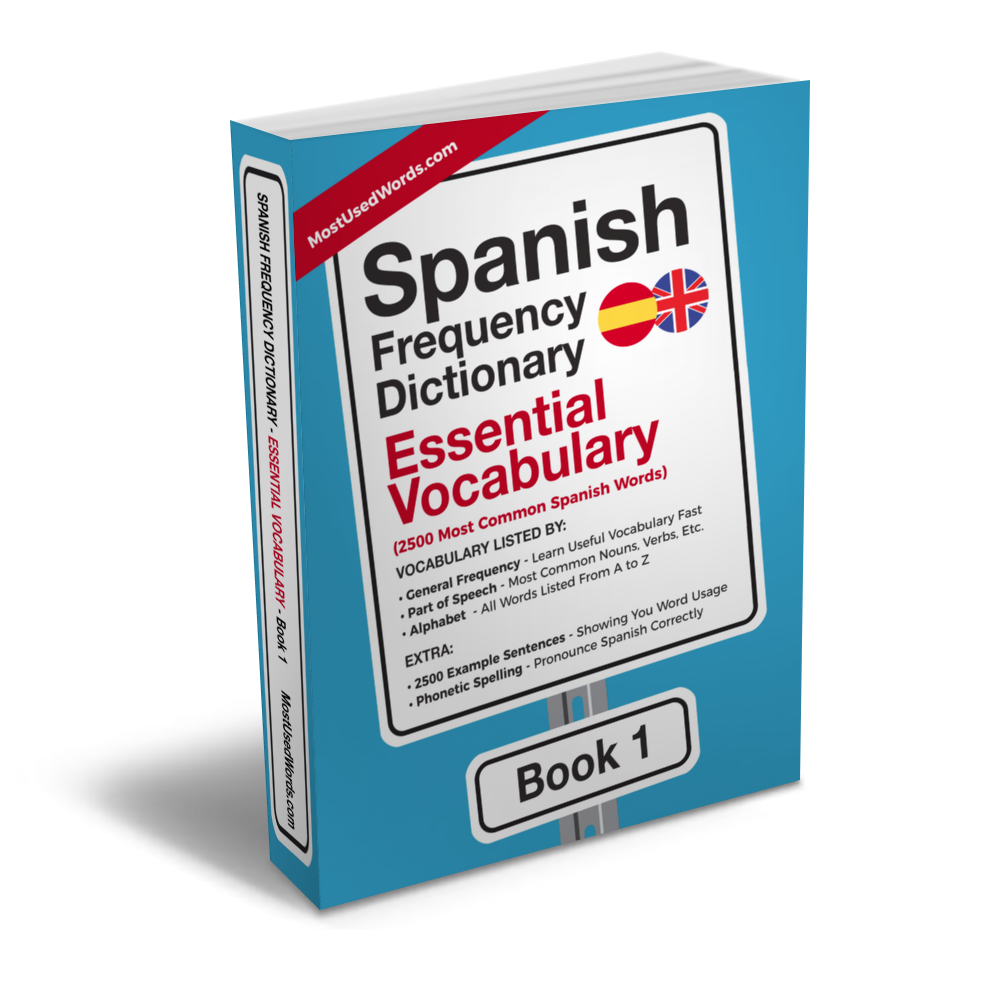
2,500 most common Spanish words with IPA pronunciation & bilingual example sentences
The Etymology of "País" in Spanish
The word "país" (IPA: /paˈis/) is the standard term for "country" or "nation" in Spanish. Its usage dates back to medieval times, derived from Latin "patria," meaning homeland. This masculine noun is widely used across various contexts but its connotations may vary slightly from one region to another.
Variations of "País" Across Spanish-Speaking Countries
Want to improve your Spanish?
The Spanish Frequency Dictionary series covers the 10,000 most common Spanish words — ranked by how often native speakers actually use them, with IPA pronunciation, English translations, and bilingual example sentences at every level.
Browse all 4 volumes →While "país" is the most common translation for "country," it's important to understand regional variations. In Mexico, for instance, "país" can also refer to rural areas outside cities. Similarly, in Argentina and Uruguay, "patria" (IPA: /ˈpat.ɾja/) often carries a strong sense of pride and patriotism.
Meaning of “País” in Spanish
The word "país" is the most common translation for "country," but it can have different meanings depending on context:
- Patria (IPA: /ˈpat.ɾja/): Refers to one's homeland or native country, often with a sense of pride and loyalty.
- Territorio (IPA: /te.ˈrri.to.ɾjo/): A specific geographic area controlled by a government.
- Nación (IPA: /na.ˈθjon/): Refers to a nation or country, often with political or cultural connotations.
Usage in Formal vs Informal Settings
The term "país" is used both formally and informally across Spanish-speaking countries. In formal settings such as government documents or academic papers, "nación" might be preferred for its more official tone. However, in everyday conversation, "país" remains the most common choice.
Common Phrases Using "País"
Here are some common phrases using "país":
- "En el país de mis sueños." (In the country of my dreams.)
- "¿Cuál es tu país favorito?" (What is your favorite country?)
- "Viajar por diferentes países es una experiencia enriquecedora." (Traveling through different countries is an enriching experience.)
Sample Sentences Using "País" in Context
Here are five sample sentences to help you use "país" effectively:
- "Vivo en el país más hermoso del mundo." (I live in the most beautiful country in the world.)
- "El país está experimentando un crecimiento económico rápido." (The country is experiencing rapid economic growth.)
- "Viajo a diferentes países cada año para aprender sobre sus culturas." (I travel to different countries each year to learn about their cultures.)
- "Mi patria es mi país natal, donde nací y crecí." (My homeland is my birth country, where I was born and raised.)
- "El territorio del país se extiende por miles de kilómetros cuadrados." (The territory of the country extends over thousands of square kilometers.)
Build Your Spanish Vocabulary Systematically
The fastest way to grow your Spanish vocabulary is to start with the words you'll actually encounter every day. The Spanish Frequency Dictionary covers the 2,500 most common Spanish words, each with IPA pronunciation, an English translation, and bilingual example sentences.
Browse the full range of Spanish frequency dictionaries to find the volume that matches your level.