How to Say Cloudy in Spanish - MostUsedWords.com
As of 2026, understanding weather-related vocabulary is essential when learning a new language like Spanish. In this article, we will explore the translation of "cloudy" into Spanish and delve into the various expressions used across different regions to describe this weather condition.
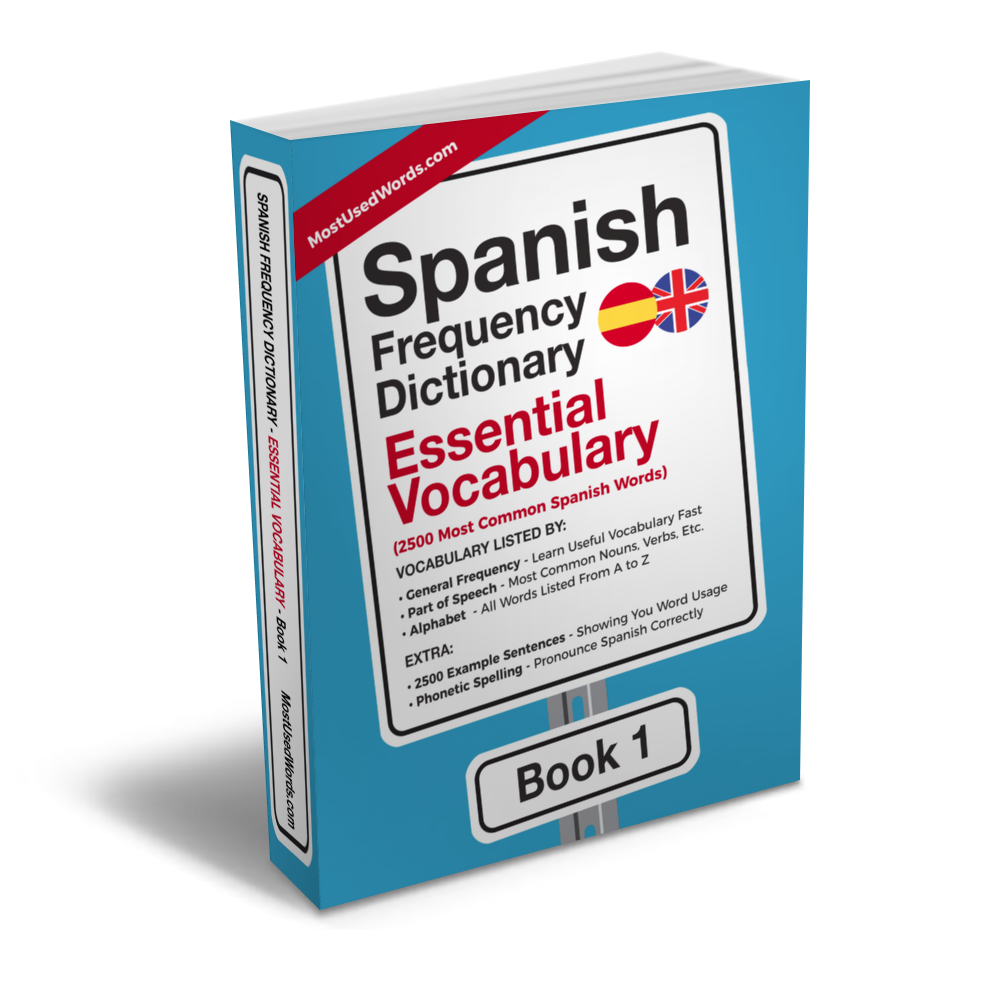
2,500 most common Spanish words with IPA pronunciation & bilingual example sentences
How to Say 'Cloudy' in Spanish
The standard term for "cloudy" in Spanish is nublado (IPA: /nuˈbla.ðo/). This word is widely recognized and used across many Spanish-speaking regions to describe a sky covered with clouds. However, different areas may have their own unique terms or expressions that convey the same concept.
Regional Variations of 'Cloudy' in Spanish
Want to improve your Spanish?
The Spanish Frequency Dictionary series covers the 10,000 most common Spanish words — ranked by how often native speakers actually use them, with IPA pronunciation, English translations, and bilingual example sentences at every level.
Browse all 4 volumes →Beyond "nublado," there are several other words and phrases used across various Spanish-speaking countries to describe cloudy weather:
- Lóbrego (IPA: /ˈloβɾeɣo/): This term refers to a sky or weather condition characterized by dark, heavy clouds, implying a somber, gloomy atmosphere.
- Nuboso (IPA: /nuˈβoso/): It describes a partially cloudy or overcast sky covered with clouds but not completely obscured.
- Cielo encapotado (IPA: /ˈsjelo enka.poˈtaðo/): This phrase denotes a sky completely covered by clouds, giving the impression of a "canopy" or "lid" over the sky, suggesting heavily clouded conditions.
- Cubierto (IPA: /kuˈbjeɾto/): It refers to an overcast or clouded weather condition where the sky is covered with clouds.
- Grisáceo (IPA: /ɡɾiˈsaseo/): This term describes a gray or dull appearance of the sky due to the presence of clouds, suggesting a lack of brightness or sunshine.
- Oscuro (IPA: /osˈkuɾo/): It implies a dark or dim sky due to the presence of clouds, indicating cloudy or overcast weather conditions with reduced visibility or light.
- Plomizo (IPA: /ploˈmiso/): This word refers to a leaden or heavy appearance of the sky often due to dark clouds, suggesting a gloomy, somber weather condition.
These synonyms can be used to describe different degrees and aspects of cloudy or overcast weather conditions, highlighting variations in the appearance and atmosphere associated with such conditions. Understanding these regional nuances will enhance your ability to communicate effectively about the weather across Spanish-speaking countries.
Sample Sentences for 'Cloudy' in Spanish
To help you practice using these terms, here are some sample sentences:
- Hoy está nublado en Barcelona.
(Today it is cloudy in Barcelona. )
- ¿Qué significa 'nuboso' en México?
(What does 'nuboso' mean in Mexico?)
- En Buenos Aires, hoy el cielo es grisáceo y no habrá mucho sol.
(In Buenos Aires, today the sky is cloudy and there won't be much sun. )
- El pronóstico dice que mañana será un día oscuro en Santiago.
(The forecast says that tomorrow will be a dark day in Santiago. )
How-to-Say-Cloudy-in-Spanish-Guide
This guide aims to provide you with an extensive list of Spanish weather vocabulary, including terms for "cloudy" and other common weather conditions. By learning these expressions, you will be better equipped to discuss the weather in various contexts.
Spanish Weather Vocabulary List
In addition to the words mentioned above, there are many more useful phrases related to weather that can enhance your Spanish vocabulary. For instance:
- Lluvioso (IPA: /lluˈβjo.so/): It means rainy.
- Nieve (IPA: /ˈni.eβe/): This term refers to snow.
- Viento (IPA: /ˈbi.en.to/): It describes wind.
- Soleado (IPA: /so.le.ˈa.do/): This word means sunny.
- Humedad (IPA: /u.me.ˈða.d/): It refers to humidity.
Learning these additional terms will help you communicate more effectively about weather conditions in Spanish-speaking countries and understand local idioms and expressions related to the weather.
Build Your Spanish Vocabulary Systematically
The fastest way to grow your Spanish vocabulary is to start with the words you'll actually encounter every day. The Spanish Frequency Dictionary covers the 2,500 most common Spanish words, each with IPA pronunciation, an English translation, and bilingual example sentences.
Browse the full range of Spanish frequency dictionaries to find the volume that matches your level.