How to Say City in Spanish | Different Terms Explained
Updated for 2026, understanding how to refer to cities is essential when traveling or learning Spanish. The word for "city" in Spanish is "ciudad" (IPA: /θju.ˈðað/). It's a feminine noun used across various Spanish-speaking countries like Spain, Mexico, Colombia, and Argentina.
Ciudad refers to large urban areas with local governance and infrastructure providing essential services such as transportation, utilities, and public safety. This term is widely used but it’s important to note that the historical context of city names in Spanish-speaking countries varies significantly by region. For instance, in medieval Spain, cities often had unique titles based on their strategic or economic importance.
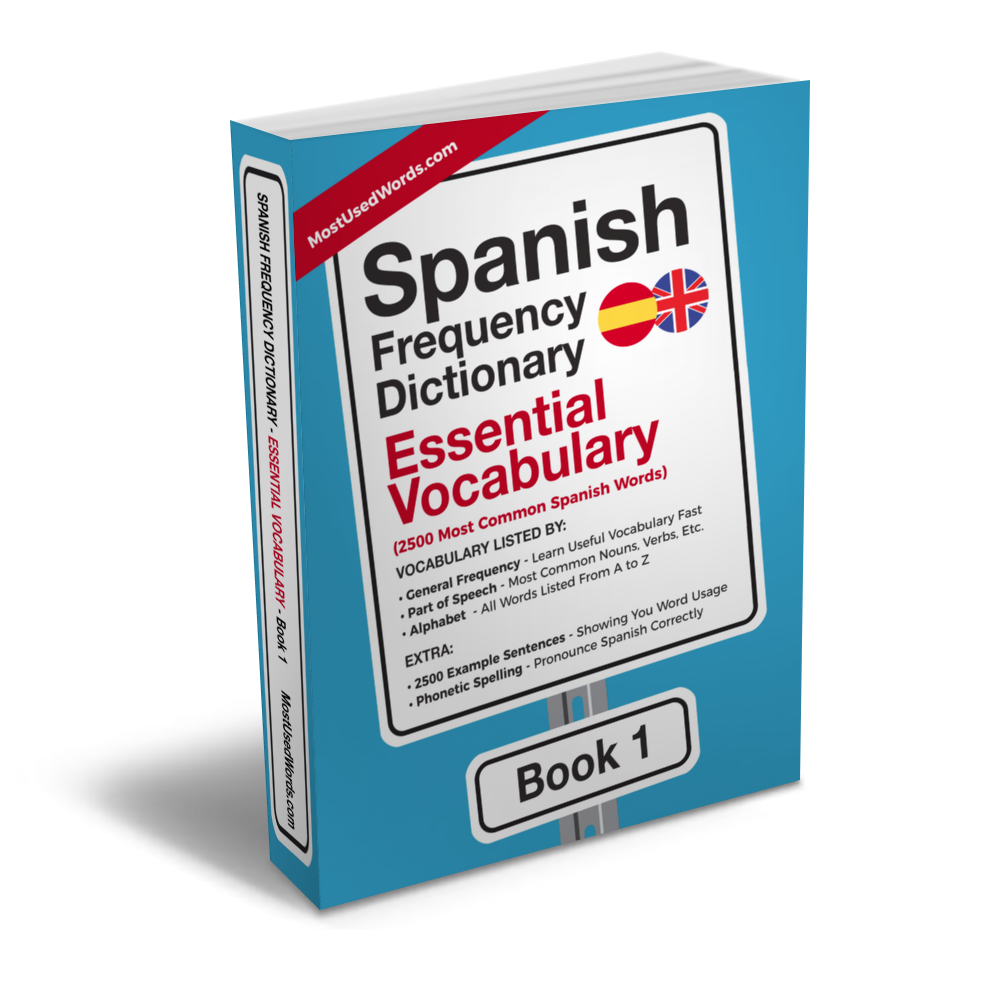
2,500 most common Spanish words with IPA pronunciation & bilingual example sentences
Historical Context of City Names
The evolution of city naming conventions reflects the cultural and political history of each country. In some regions, like Andalusia, you might encounter terms such as "alcázar", which originally referred to a fortified palace but now often denotes an important historical site within a city.
Comparison with Other Romance Languages
Want to improve your Spanish?
The Spanish Frequency Dictionary series covers the 10,000 most common Spanish words — ranked by how often native speakers actually use them, with IPA pronunciation, English translations, and bilingual example sentences at every level.
Browse all 4 volumes →While "ciudad" is the standard term in Spanish, it's worth noting that other Romance languages have different words for cities. For example, in Portuguese, you would use "cidade", and in Italian, "città."
Different Ways to Say "City" in Spanish
In addition to "ciudad," there are other regional variations used in certain contexts:
- Pueblo (IPA: /ˈpwe.βlo/), often used for smaller towns or villages.
- Metrópoli (IPA: /me.ˈtɾo.po.li/), describing large, bustling cities with significant economic and cultural importance.
- Capital (IPA: /ka.pi.ˈtal/), referring to a country's capital city.
Cultural Significance of Cities in Spanish-Speaking Countries
Cities play a crucial role in the social, economic, and cultural fabric of Spanish-speaking nations. Each city has its unique history, traditions, and landmarks that contribute to its identity. For instance, cities like Madrid, Buenos Aires, and Mexico City are not only administrative centers but also hubs for arts, culture, and tourism.
How to Say "Town" in Spanish
In addition to "ciudad," the term pueblo (IPA: /ˈpwe.βlo/) is commonly used to refer to towns or villages. This distinction is important when navigating smaller urban areas.
Spanish Words for Large Cities
To describe large cities, terms like "metrópoli" (IPA: /me.ˈtɾo.po.li/) are often used. These words capture the essence of a city's economic and cultural significance.
Common Phrases Related to Cities in Spanish
To help you understand the usage of these terms, here are some sample sentences:
- ¿Cómo llego al centro de la ciudad?
- Esta ciudad tiene una arquitectura impresionante.
- Mi familia vive en un pueblo pequeño en el norte de España.
- Ven a visitar la metrópoli más grande del país.
(How do I get to the city center?)
(This city has impressive architecture.)
(My family lives in a small village in northern Spain.)
(Come to visit the largest city in the country.)
Common City-Related Idioms and Expressions
Understanding idiomatic expressions can enhance your comprehension of Spanish. For example, "estar en la ciudad de Dios" (to be in the city of God) is an expression used to describe someone who has arrived at a place where they feel at home or among friends.
Build Your Spanish Vocabulary Systematically
The fastest way to grow your Spanish vocabulary is to start with the words you'll actually encounter every day. The Spanish Frequency Dictionary covers the 2,500 most common Spanish words, each with IPA pronunciation, an English translation, and bilingual example sentences.
Browse the full range of Spanish frequency dictionaries to find the volume that matches your level.