How to Say Children in Spanish | MostUsedWords.com
Updated for 2026, the term "children" can be expressed in several ways in Spanish, each carrying unique connotations and usage patterns across different regions and contexts.
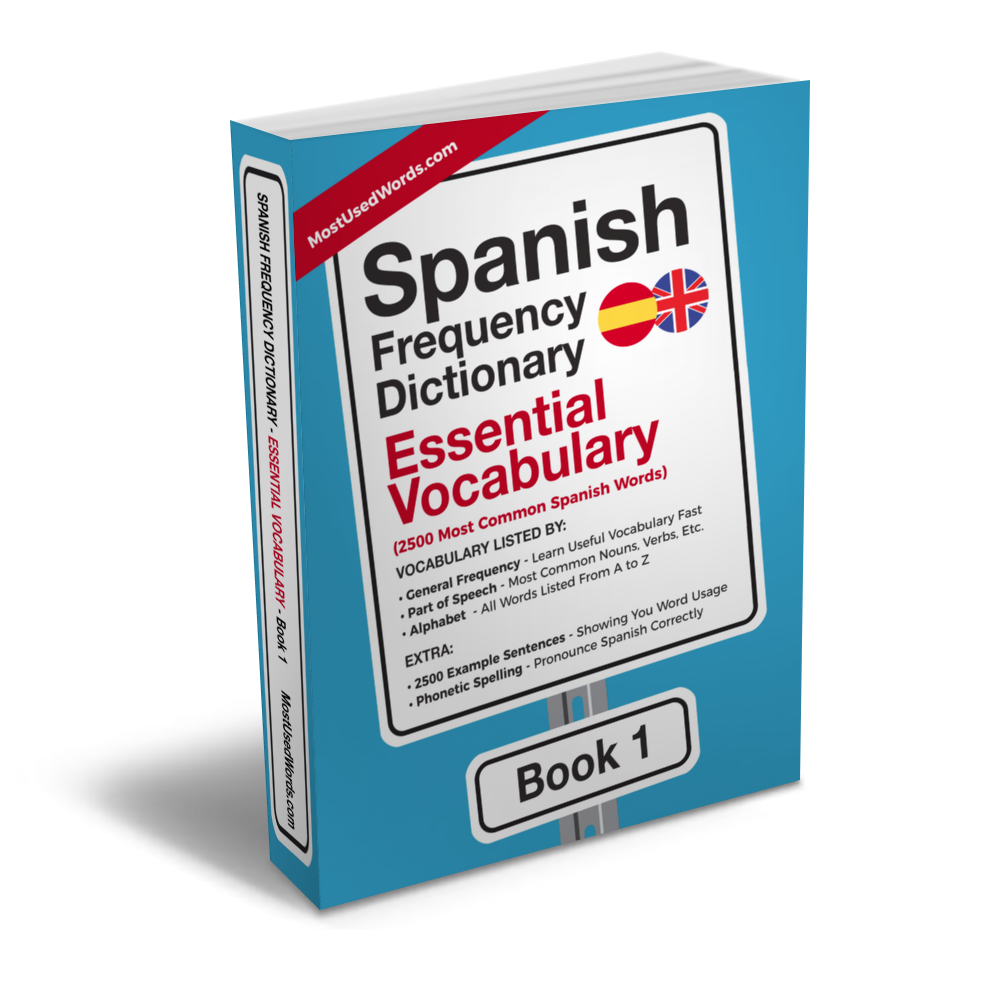
2,500 most common Spanish words with IPA pronunciation & bilingual example sentences
How to Say Children in Spanish
The concept of "children" is conveyed through various terms in Spanish, such as "niños", "niñas", "chicos", "chicas", "infantes", "pequeños", "criaturas", and "prole". Each term has distinct meanings and cultural implications.
Niños/Niñas (How to Say Kids in Spanish)
Want to improve your Spanish?
The Spanish Frequency Dictionary series covers the 10,000 most common Spanish words — ranked by how often native speakers actually use them, with IPA pronunciation, English translations, and bilingual example sentences at every level.
Browse all 4 volumes →These are the most widely used terms for children across Latin America and Spain, generally neutral and appropriate in all contexts. For example: "Los niños están jugando en el parque." (The children are playing in the park.)
Chicos/Chicas (Spanish Word for Children)
Commonly used in Argentina, Uruguay, and parts of Mexico, these terms are informal and often used among friends or in casual settings. For instance: "Mis chicos son muy alegres y divertidos." (My kids are very cheerful and fun-loving.)
Infantes (How to Say Infants in Spanish)
An older term rarely used today except for royal heirs, it can also refer to very young children. Example: "El infante está durmiendo en su cuna." (The infant is sleeping in his crib.)
Pequeños (Little Ones in Spanish)
Commonly used in Spain and other regions, this term is affectionate and often used when referring to younger children. For example: "Mis pequeños son muy curiosos." (My little ones are very curious.)
Criaturas (Creatures in Spanish)
Often used for babies or young children, sometimes also for animals. Example: "La criatura está llorando porque tiene hambre." (The baby is crying because he's hungry.)
Prole (Offspring in Spanish)
A formal term rarely used today but can be found in literature and historical texts. For example: "En el manuscrito, la prole del rey fue mencionada." (In the manuscript, the king's offspring were mentioned.)
Regional Variations and Cultural Contexts
The choice of words to refer to children often depends on the cultural context. For example, "niños" is widely accepted across different cultures, while "chicos/chicas" might be more common in certain regions like Argentina and Uruguay.
Usage in Formal vs. Informal Settings
The terms used for referring to children vary based on the formality of the setting. For instance, "niños/niñas" is generally safe to use in any context, whereas "chicos/chicas" might be more appropriate among friends or in casual settings.
Sample Sentences with Different Verb Tenses
To better understand how these terms are used, here are some sample sentences:
- "Los niños estaban jugando en el parque cuando llovió." (The children were playing in the park when it rained.)
- "Mis chicos serán muy alegres y divertidos mañana también." (My kids will be very cheerful and fun-loving tomorrow as well.)
- "La infancia fue un tiempo maravilloso para ella." (Childhood was a wonderful time for her.)
- "Mis pequeños habían terminado de comer cuando llegué a casa." (My little ones had finished eating when I got home.)
- "Las criaturas estarán durmiendo en sus camas ahora mismo." (The babies will be sleeping in their beds right now.)
- "La prole del rey fue mencionada en el manuscrito que encontré ayer." (The king's offspring were mentioned in the manuscript I found yesterday.)
Regional Slang and Colloquialisms for Children
In addition to formal terms, there are many regional slang words used to refer to children. For example:
- Mocosos (Spain): A colloquial term often used in a playful manner.
- Pelusas (Mexico): Another affectionate term for young children, similar to "little fluffies."
Cultural Taboos and Sensitive Topics Related to Children
In different Spanish-speaking countries, there are cultural taboos or sensitive topics related to discussing children. For instance:
- Privacy in Spain: Discussing a child's age or personal details might be considered intrusive.
- Safety Concerns in Latin America: There is often heightened awareness about the safety of children, especially when they are out and about.
Build Your Spanish Vocabulary Systematically
The fastest way to grow your Spanish vocabulary is to start with the words you'll actually encounter every day. The Spanish Frequency Dictionary covers the 2,500 most common Spanish words, each with IPA pronunciation, an English translation, and bilingual example sentences.
Browse the full range of Spanish frequency dictionaries to find the volume that matches your level.