How to Say Cheers in Spanish - MostUsedWords.com
Updated for 2026, knowing how to say "cheers" in Spanish is essential when traveling or socializing with Spanish speakers. In Spanish, the phrase varies across different regions but generally conveys well-wishes and camaraderie.

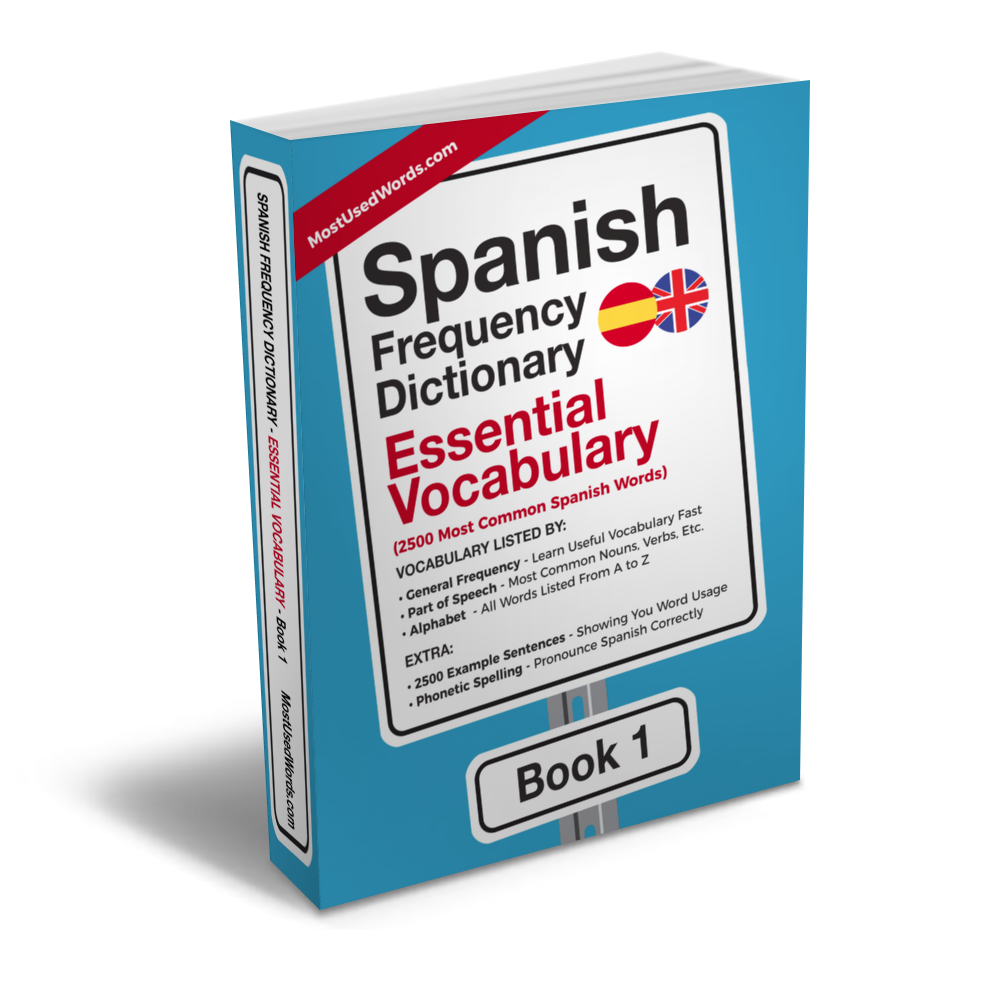
2,500 most common Spanish words with IPA pronunciation & bilingual example sentences
How to Say Cheers in Spanish
In Spanish-speaking cultures, saying "cheers" is more than just a toast; it's an expression of joy and unity. Here are some common ways to say cheers:
- Salud (IPA: /saˈlud/): This is the most widely used term for "cheers" in Spanish, understood across all Spanish-speaking countries.
- A tu salud! (IPA: /a tu saˈlud/) or Por tu salud! (IPA: /por tu saˈlud/): These phrases are also commonly used and mean "to your health!"
Meaning of Cheers in Spanish
Want to improve your Spanish?
The Spanish Frequency Dictionary series covers the 10,000 most common Spanish words — ranked by how often native speakers actually use them, with IPA pronunciation, English translations, and bilingual example sentences at every level.
Browse all 4 volumes →In Spanish-speaking cultures, saying "cheers" is more than just a toast. It represents a shared moment of celebration, camaraderie, and good wishes. The act of raising glasses and clinking them together reinforces the connection between individuals and signifies mutual appreciation.
History and Origin
The tradition of toasting with "cheers" in Spanish has roots dating back centuries. It is believed that the practice originated as a way to ensure drinks were not poisoned, by sharing the first sip among friends. Over time, it evolved into an expression of goodwill and health.
Regional Variations
In addition to Mexico's "Salud y amor!" (IPA: /saˈlud i aˈmoɾ/), which emphasizes both physical and emotional well-being, other Latin American countries have their own unique expressions:
- Spain: Spaniards often use "¡Salud y pesetas!" (IPA: /peˈse.tas/) to wish for health and prosperity.
- Argentina: Argentinians might say "¡Viva la patria!" (IPA: /ˈbiβa la ˈpa.ɾia/), meaning "Long live the homeland."
Cultural Context
The variations in how to say cheers reflect regional customs and values. For instance, Mexico's emphasis on love alongside health underscores their cultural importance of emotional well-being.
How to Say Cheers in Spanish: Sample Sentences
To help you use these phrases naturally, here are some sample sentences:
- ¡Salud! Gracias por estar aquí.
(Cheers! Thank you for being here.)
- Vamos a brindar por el éxito de nuestro proyecto.
(Let's toast to the success of our project.)
- ¡A tu salud! Que tengas un año lleno de felicidad.
(Cheers! May you have a year filled with happiness.)
- ¡Salud y amor! Que viva el amor verdadero.
(Health and love! Long live true love.)
- ¡Salud y pesetas! Que la prosperidad siempre nos acompañe.
(Cheers and wealth! May prosperity always be with us.)
Build Your Spanish Vocabulary Systematically
The fastest way to grow your Spanish vocabulary is to start with the words you'll actually encounter every day. The Spanish Frequency Dictionary covers the 2,500 most common Spanish words, each with IPA pronunciation, an English translation, and bilingual example sentences.
Browse the full range of Spanish frequency dictionaries to find the volume that matches your level.