How to Say Bathroom in Spanish | MostUsedWords.com
Updated for 2026, learning how to say "bathroom" in Spanish is crucial if you're planning a trip or simply want to expand your vocabulary. The standard term is baño (IPA: /ˈbano/), but there are many regional variations and alternative terms depending on the context.
If you are traveling to a Spanish-speaking country, knowing how to ask for a bathroom politely can make all the difference in navigating everyday situations. This article covers common phrases and expressions used by native speakers across various contexts and regions.
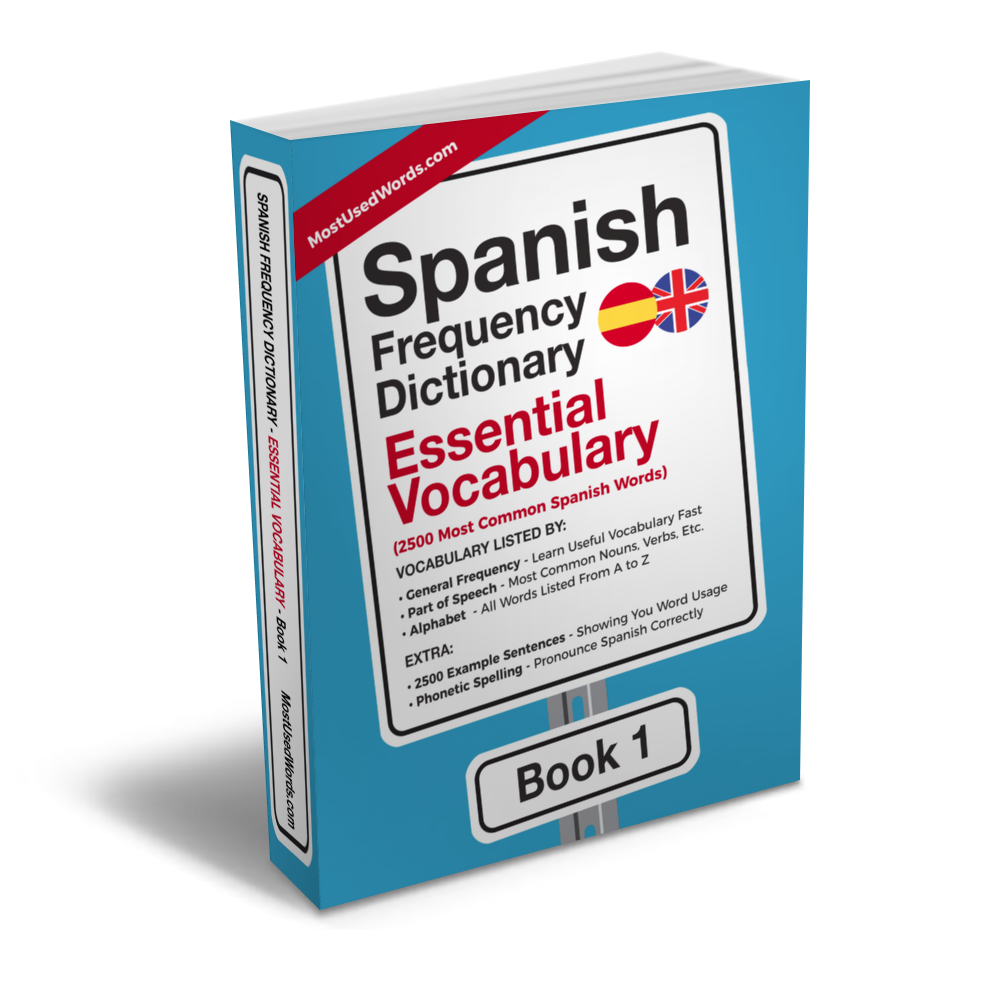
2,500 most common Spanish words with IPA pronunciation & bilingual example sentences
Common Phrases and Expressions
- ¿Dónde está el baño?
- Necesito ir al baño.
- ¿Dónde está el aseo?
- ¿Puedo usar los servicios, por favor?
- ¿Dónde está el sanitario público?
(Where is the bathroom?)
(I need to go to the bathroom.)
(Where is the restroom?)
(May I use the facilities, please?)
(Where is the public restroom?)
Variations in Vocabulary and Pronunciation
Want to improve your Spanish?
The Spanish Frequency Dictionary series covers the 10,000 most common Spanish words — ranked by how often native speakers actually use them, with IPA pronunciation, English translations, and bilingual example sentences at every level.
Browse all 4 volumes →In addition to "baño," there are several other terms used across different regions:
- Aseo (IPA: /aˈseo/): Commonly used in Spain, this term refers both to the bathroom and personal grooming. In Latin America, it often means cleaning or tidying up.
- Sanitario (IPA: /sanitaˈɾjo/): Used in Mexico for public restrooms; in Spain, it may refer to a toilet or bidet.
- Servicio (IPA: /seɾˈβiθjo/): In some Latin American countries, this term is used for public restrooms. In Spain, it can also mean a bathroom in private homes or establishments.
- Cuarto de baño (IPA: /ˈkwarto ðe ˈbaɲo/): Commonly used in Spain and some other Spanish-speaking countries to refer to a bathroom.
Regional Variations Explained
Different regions have their own unique terms:
- In Spain: "Aseo" and "servicio" are commonly used alongside "baño."
- In Mexico: "Sanitario" and excusado (IPA: /eksuˈsaðo/) are more prevalent than "baño."
- In Argentina: "Baño" is the most common term, but "Toilette" (IPA: /toiˈlete/) is also used in some contexts.
- In Caribbean countries: "Bañito" or "bano" are variations of "baño."
Cultural Context and Etiquette
When asking for a bathroom in Spanish-speaking countries, it's important to use polite language and be aware of cultural norms. For example:
- In hotels or restaurants: Instead of directly saying "baño," you might ask "Dónde está el servicio?" (Where is the service?) which can be understood as asking for a restroom.
How to Politely Ask for Directions to the Nearest Public Restroom
To politely request directions to the nearest public restroom, you might say:
- ¿Dónde está el baño público más cercano?
- ¿Puedes indicarme dónde puedo encontrar un sanitario público, por favor?
(Where is the nearest public bathroom?)
(Could you please show me where I can find a public restroom?)
Build Your Spanish Vocabulary Systematically
The fastest way to grow your Spanish vocabulary is to start with the words you'll actually encounter every day. The Spanish Frequency Dictionary covers the 2,500 most common Spanish words, each with IPA pronunciation, an English translation, and bilingual example sentences.
Browse the full range of Spanish frequency dictionaries to find the volume that matches your level.