How to Say Banana in Spanish - Regional Terms and Cultural S
Updated for 2026, understanding how to say "banana" in Spanish is essential whether you're learning the language or traveling to a Spanish-speaking country. In this article, we delve into not only the meaning of "banana" but also its regional variations and cultural significance across different regions.
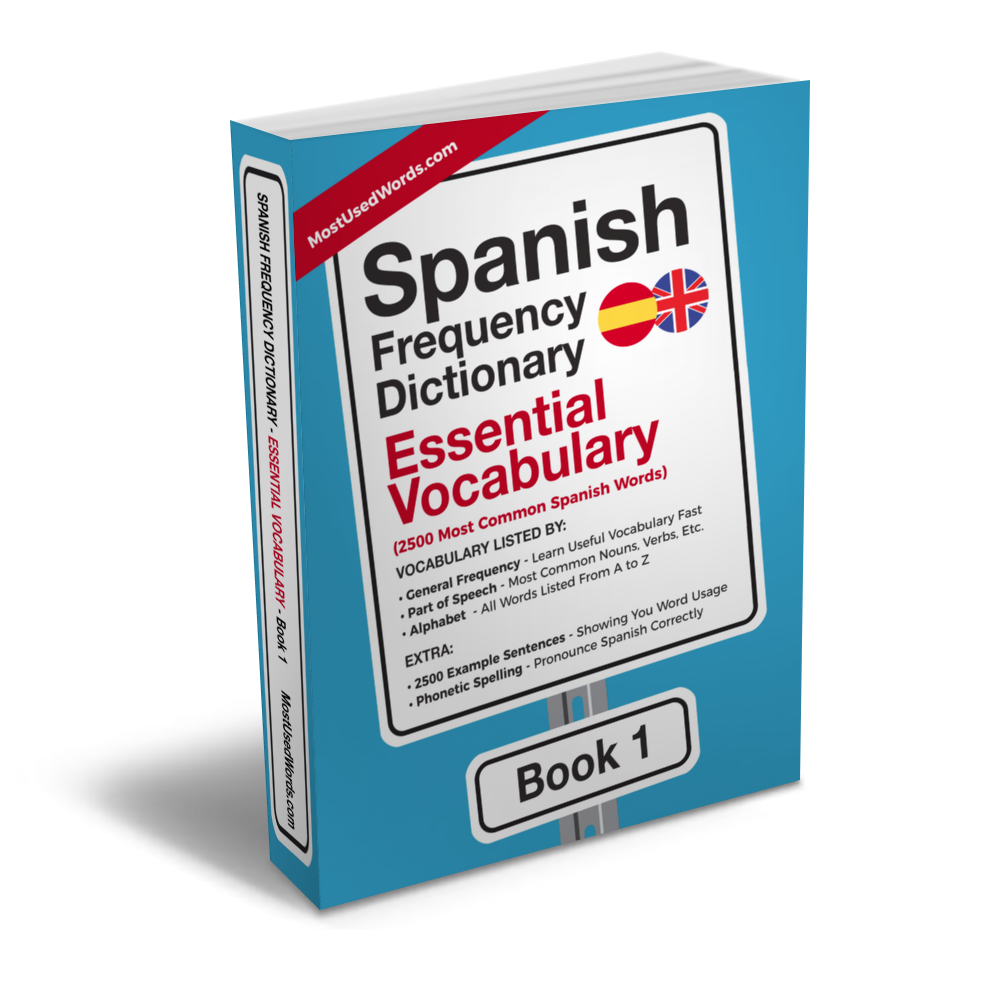
2,500 most common Spanish words with IPA pronunciation & bilingual example sentences
How to Say Banana in Spanish: Pronunciation and Usage
The word for banana in Spanish is generally "plátano," pronounced as /ˈplata.no/. However, it's crucial to note that while "plátano" is the standard term in many parts of Spain and Mexico, there are regional variations. In some Latin American countries, particularly in the Caribbean and Central America, "banana" is used instead.
In regions like Costa Rica or Panama, you might hear both terms interchangeably, reflecting the diverse linguistic landscape across Spanish-speaking countries.
Regional Differences in Banana Terminology
Want to improve your Spanish?
The Spanish Frequency Dictionary series covers the 10,000 most common Spanish words — ranked by how often native speakers actually use them, with IPA pronunciation, English translations, and bilingual example sentences at every level.
Browse all 4 volumes →The term "plátano" typically refers to a plantain, which is less sweet and often used for cooking. In contrast, "banana" can be used more broadly to refer to both ripe bananas and plantains depending on the context and region.
Cultural Significance of Bananas in Spanish-Speaking Countries
Bananas hold significant cultural importance in many Spanish-speaking regions. They are not only a staple food but also feature prominently in local cuisine and traditions. For example, in Costa Rica, bananas are often served as part of breakfast alongside coffee.
Common Phrases Related to Buying and Selling Bananas
When shopping for bananas or plantains, it's useful to know common phrases such as:
- ¿Cuánto cuestan los plátanos?
- Déme un kilo de banana, por favor.
(How much do the bananas cost?)
(Please give me a kilogram of bananas.)
Translating "Banana" to Spanish: Sample Sentences
To help you use the word "plátano" or "banana" effectively, here are some sample sentences:
- ¿Cómo se dice "banana" en español?
- Me encanta comer plátanos por la mañana.
- Tengo una receta de tarta de tres leches con banana.
(How do you say "banana" in Spanish?)
(I love eating bananas in the morning.)
(I have a recipe for three-milk cake with banana slices.)
Conclusion
In conclusion, knowing how to say "banana" in Spanish is crucial not only for everyday communication but also for understanding the rich culinary and cultural heritage of Spanish-speaking countries. Whether you're traveling or learning the language, mastering this word will enhance your experience.
Build Your Spanish Vocabulary Systematically
The fastest way to grow your Spanish vocabulary is to start with the words you'll actually encounter every day. The Spanish Frequency Dictionary covers the 2,500 most common Spanish words, each with IPA pronunciation, an English translation, and bilingual example sentences.
Browse the full range of Spanish frequency dictionaries to find the volume that matches your level.