

How to Say Are in Spanish | Ser vs Estar Usage Guide
Knowing how to say "are" in Spanish is essential for effective communication, as it involves understanding two key verbs: ser and estar. These verbs are used differently depending on the context.
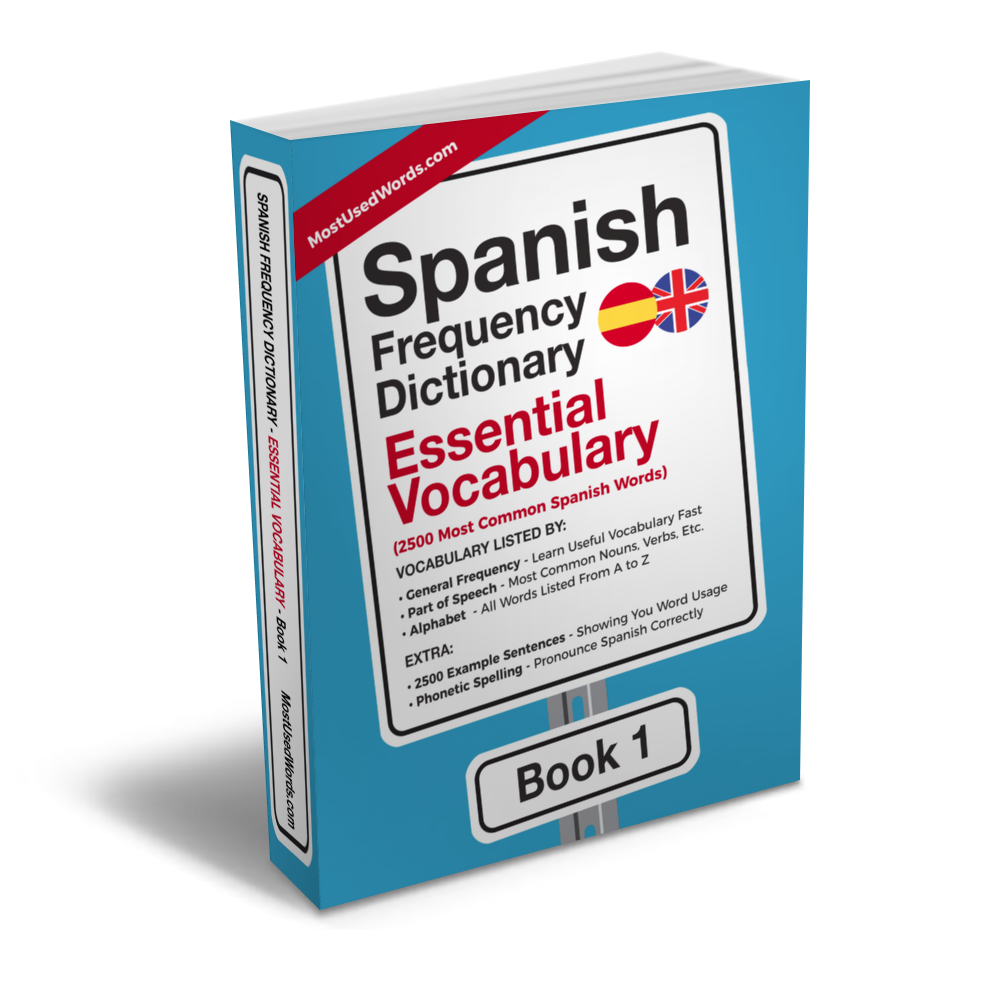
2,500 most common Spanish words with IPA pronunciation & bilingual example sentences
How to Use 'Ser' and 'Estar'
The verb "to be" in English is translated into two verbs in Spanish: ser and estar. While both can mean "are," they are used differently depending on the context. Understanding when to use each verb is crucial for clear communication.
Difference Between 'Ser' and 'Estar'
Want to improve your Spanish?
The Spanish Frequency Dictionary series covers the 10,000 most common Spanish words — ranked by how often native speakers actually use them, with IPA pronunciation, English translations, and bilingual example sentences at every level.
Browse all 4 volumes →Ser is used for permanent or inherent characteristics, while estar is used for temporary states and conditions. For example, "I am tired" would be "Estoy cansado" (using estar) because it's a temporary state.
Ser Conjugation in Spanish
The verb ser can be conjugated as follows:
|
Yo |
soy |
|
Tú |
eres |
|
Él/Ella/Usted |
es |
|
Ellos/Ellas/Ustedes |
son |
|
Nosotros/Nosotras |
somos |
|
Vosotros/Vosotras |
sois |
Pronunciation Tips for 'Ser' and 'Estar'
- Ser: Pronounced as sair. The stress is on the second syllable.
- Estar: Pronounced as es-tar. The stress is also on the second syllable, but it sounds softer than 'ser'.
Common Phrases Using 'Are' in Spanish
- Ella es mi hermana. (She is my sister.) - Use ser for permanent relationships.
- Estoy en la biblioteca. (I am in the library.) - Use estar for location.
- Somos amigos de Juan. (We are friends of Juan.) - Use ser for relationships and groups.
- Estás cansado, ¿verdad? (You are tired, aren't you?) - Use estar for temporary states in questions.
- Son las tres de la tarde. (It is three o'clock in the afternoon.) - Use ser for time and date.
In our Spanish Frequency Dictionaries, you’ll find 10,000 of the most common words in Spanish. Each entry includes a translation and phonetic transcription to help you learn practical vocabulary.
Related Articles
- How to Say Is in Spanish | Ser and Estar Usage Explained
- A Guide To Understanding Spanish Reflexive Verbs
Build Your Spanish Vocabulary Systematically
The fastest way to grow your Spanish vocabulary is to start with the words you'll actually encounter every day. The Spanish Frequency Dictionary covers the 2,500 most common Spanish words, each with IPA pronunciation, an English translation, and bilingual example sentences.
Browse the full range of Spanish frequency dictionaries to find the volume that matches your level.
Eric
Excellent content. Very useful.