How to Say Against in Spanish | MostUsedWords.com
As of 2026, the word "against" is commonly translated into Spanish as contra. This preposition expresses opposition or resistance.
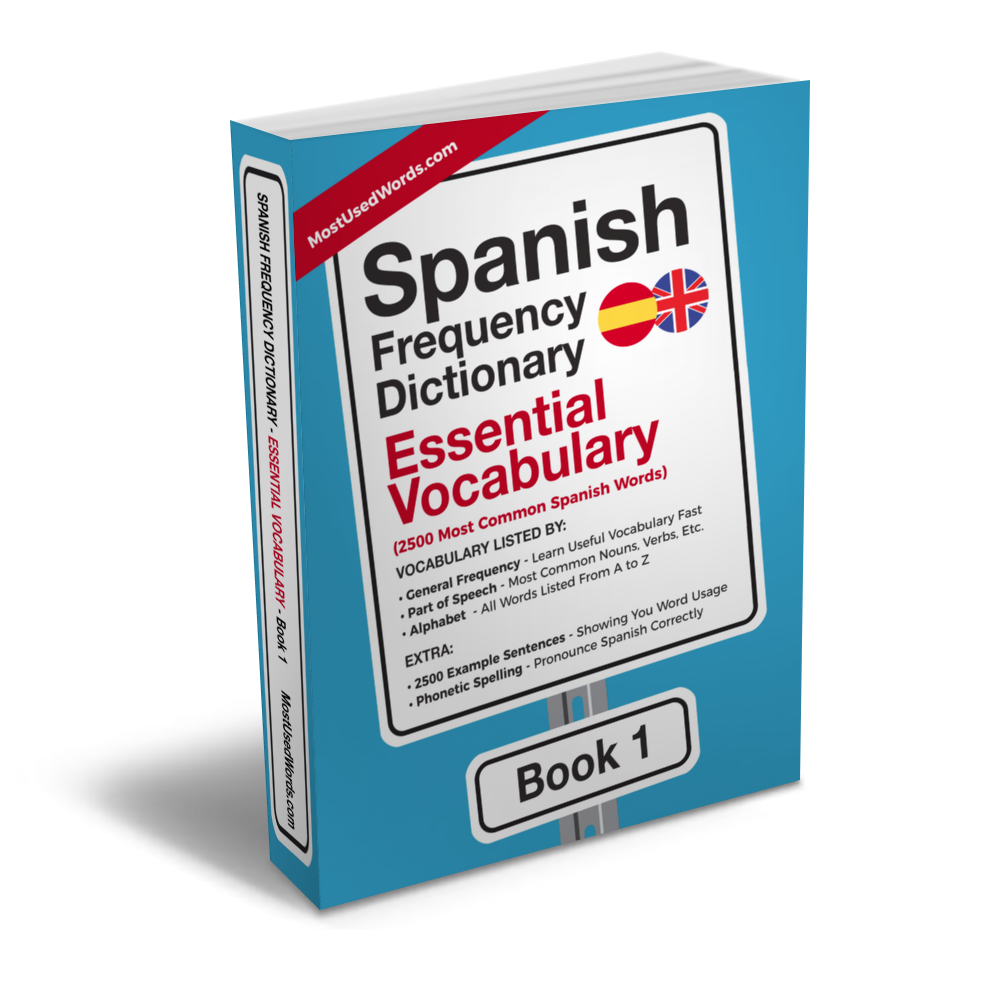
2,500 most common Spanish words with IPA pronunciation & bilingual example sentences
What Does "Against" Mean in Spanish?
The term contra (IPA: /ˈkon.tɾa/) is a versatile preposition used to express opposition, resistance, or contrary action. It can also denote physical contact or collision and time constraints.
Opposition or Contrary Action
Want to improve your Spanish?
The Spanish Frequency Dictionary series covers the 10,000 most common Spanish words — ranked by how often native speakers actually use them, with IPA pronunciation, English translations, and bilingual example sentences at every level.
Browse the full series →- Estoy en contra de esa decisión. (I am against that decision.)
- Mi hermano está luchando contra la injusticia. (My brother is fighting against injustice.)
Physical Contact or Collision
- El coche chocó contra el muro. (The car crashed against the wall.)
Time Constraints
- El proyecto debe estar terminado contra el viernes. (The project must be finished by Friday.)
Understanding how to use contra is essential for expressing opposition or resistance in Spanish. It's also important to know when and where to use it compared to other prepositions like "en favor de".
How to Say "Against" in Spanish: Sample Sentences
To help you grasp the usage of contra, here are five sample sentences:
- Estamos luchando contra la corrupción en el gobierno. (We are fighting against corruption in the government.)
- La selección española juega contra Italia el sábado. (The Spanish national team is playing against Italy on Saturday.)
- No deberías ir contra las reglas del juego. (You shouldn't go against the rules of the game.)
- Me inclino contra la pared para descansar un momento. (I lean against the wall to rest for a moment.)
- El viento soplaba fuerte contra el barco. (The wind was blowing strong against the boat.)
These examples illustrate how contra can be used in various contexts, from political opposition to physical descriptions. Mastering these sentences will enhance your ability to communicate effectively in Spanish.
Frequently Asked Questions
How do you say "against" in Spanish?
The preposition contra (IPA: /ˈkon.tɾa/) is used to express opposition or resistance. For example, "Estoy en contra de esa decisión." means "I am against that decision".
Is "en contra" the same as "contra"?
En contra is often used interchangeably with contra. For instance, "Estoy en contra de esa ley." means "I am against that law". However, in some regions, en contra might be more common than just contra.
What is the difference between "contra" and "a favor de"?
Contra expresses opposition or resistance, while a favor de indicates support. For example, "Mi hermano está a favor de la igualdad." means "My brother is in favor of equality", contrasting with "Mi hermano lucha contra la injusticia.".
Can "contra" be used for physical contact?
Contra can indeed denote physical contact or collision. For example, "El coche chocó contra el muro." means "The car crashed against the wall". This usage is common in describing accidents or collisions.
Build Your Spanish Vocabulary Systematically
The fastest way to grow your Spanish vocabulary is to start with the words you'll actually encounter every day. The Spanish Frequency Dictionary covers the 2,500 most common Spanish words, each with IPA pronunciation, an English translation, and bilingual example sentences.
Browse the full range of Spanish frequency dictionaries to find the volume that matches your level.