How to Say 60 in Spanish | Spanish Numbers Guide
As of 2026, knowing how to say 60 in Spanish is a fundamental skill for anyone learning the language. The number "sesenta" (IPA: /seˈsenta/) plays a significant role in various contexts such as telling time, counting, and everyday conversations.
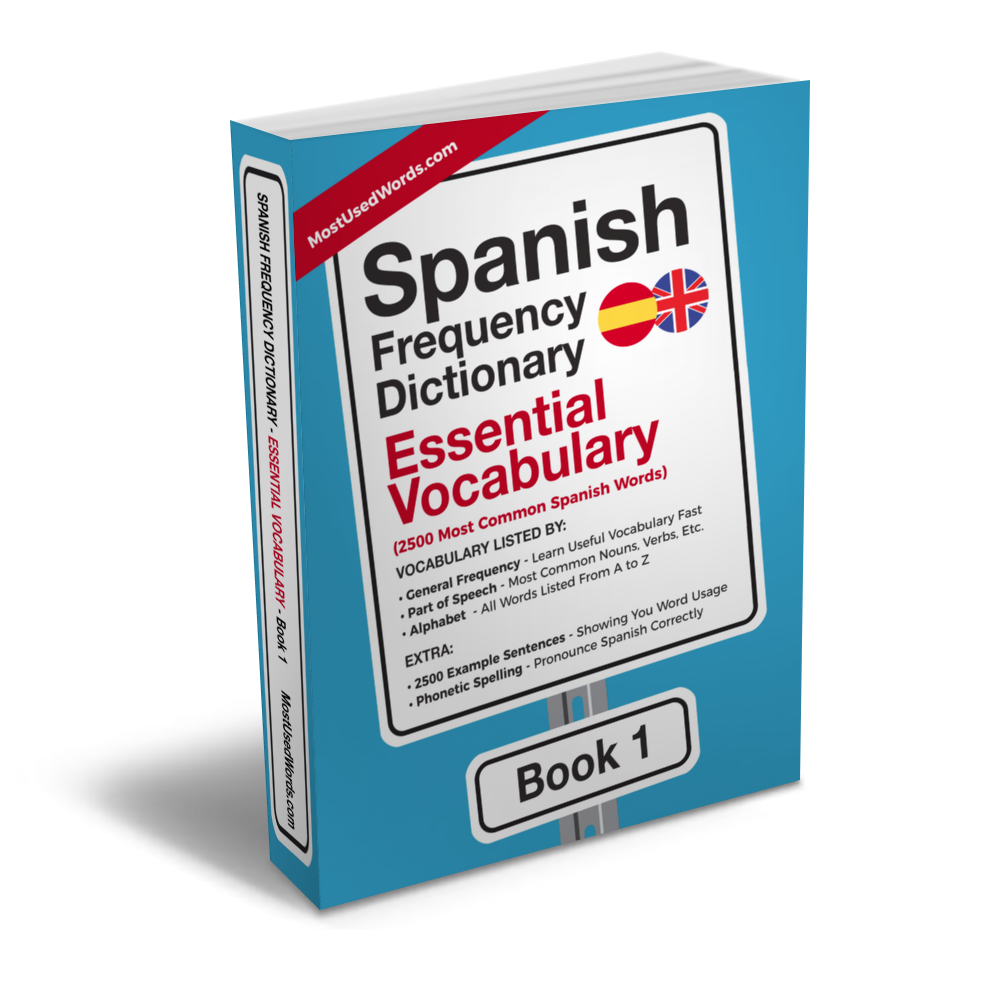
2,500 most common Spanish words with IPA pronunciation & bilingual example sentences
How to Say 60 in Spanish
In Spanish, the cardinal form of 60 is "sesenta," which represents the quantity or number 60. The ordinal form, used for ranking or order, is "sexagésimo" (IPA: /sexaˈxe̞.simo/). Understanding both forms can enhance your fluency and comprehension in Spanish.
To pronounce "sesenta," break it down into syllables:
- /se/ sounds like the English word "say" without the final "y" sound.
- /ˈsen/ sounds like the English word "senate" without the final "t" sound.
- /ta/ sounds like the English word "tub" without the final "b" sound.
The ordinal form, "sexagésimo," is pronounced as follows:
- /se/ sounds like the English word "say" without the final "y" sound.
- /xa/ sounds like the "ha" sound in the English word "haha".
- /ˈxe̞/ sounds like the "she" sound in the English word "sheep" but with slightly more rounding of the lips.
- /si/ sounds like the "see" sound in the English word "seen".
- /mo/ sounds like the English word "moat" without the final "t" sound.
To practice pronunciation, try these sentences:
- Tengo sesenta años (I am 60 years old).
- La velocidad máxima en esta carretera es de sesenta millas por hora (The maximum speed on this road is 60 miles per hour).
Cultural Significance of the Number 60 in Spanish-Speaking Countries
Want to improve your Spanish?
The Spanish Frequency Dictionary series covers the 10,000 most common Spanish words — ranked by how often native speakers actually use them, with IPA pronunciation, English translations, and bilingual example sentences at every level.
Browse all 4 volumes →The number 60 holds cultural significance in many Spanish-speaking countries. For instance, it often marks significant life milestones such as a sixtieth wedding anniversary or retirement age.
Sample Sentences with Audio Clips
- Mi abuelo cumplió su sexagésimo aniversario de bodas el mes pasado (My grandfather celebrated his sixtieth wedding anniversary last month).
- La velocidad máxima en esta carretera es de sesenta millas por hora (The maximum speed on this road is 60 miles per hour).
- La biblioteca tiene sesenta computadoras para los estudiantes (The library has 60 computers for the students).
- La habitación cuesta sesenta dólares por noche (The room costs 60 dollars per night).
- El edificio tiene sesenta pisos y una vista espectacular (The building has sixty floors and a spectacular view).
The Spanish Frequency Dictionary series offers comprehensive guides to common numbers, including detailed pronunciation tips and cultural insights.
Build Your Spanish Vocabulary Systematically
The fastest way to grow your Spanish vocabulary is to start with the words you'll actually encounter every day. The Spanish Frequency Dictionary covers the 2,500 most common Spanish words, each with IPA pronunciation, an English translation, and bilingual example sentences.
Browse the full range of Spanish frequency dictionaries to find the volume that matches your level.