

How to Conjugate Hornear in Spanish - MostUsedWords.com
As of 2026, "hornear" is a versatile Spanish verb used to describe the action of baking or cooking items in an oven. Whether you're a beginner learning Spanish or looking to expand your conjugation skills, understanding how to properly use and conjugate "hornear" can greatly enhance your vocabulary.
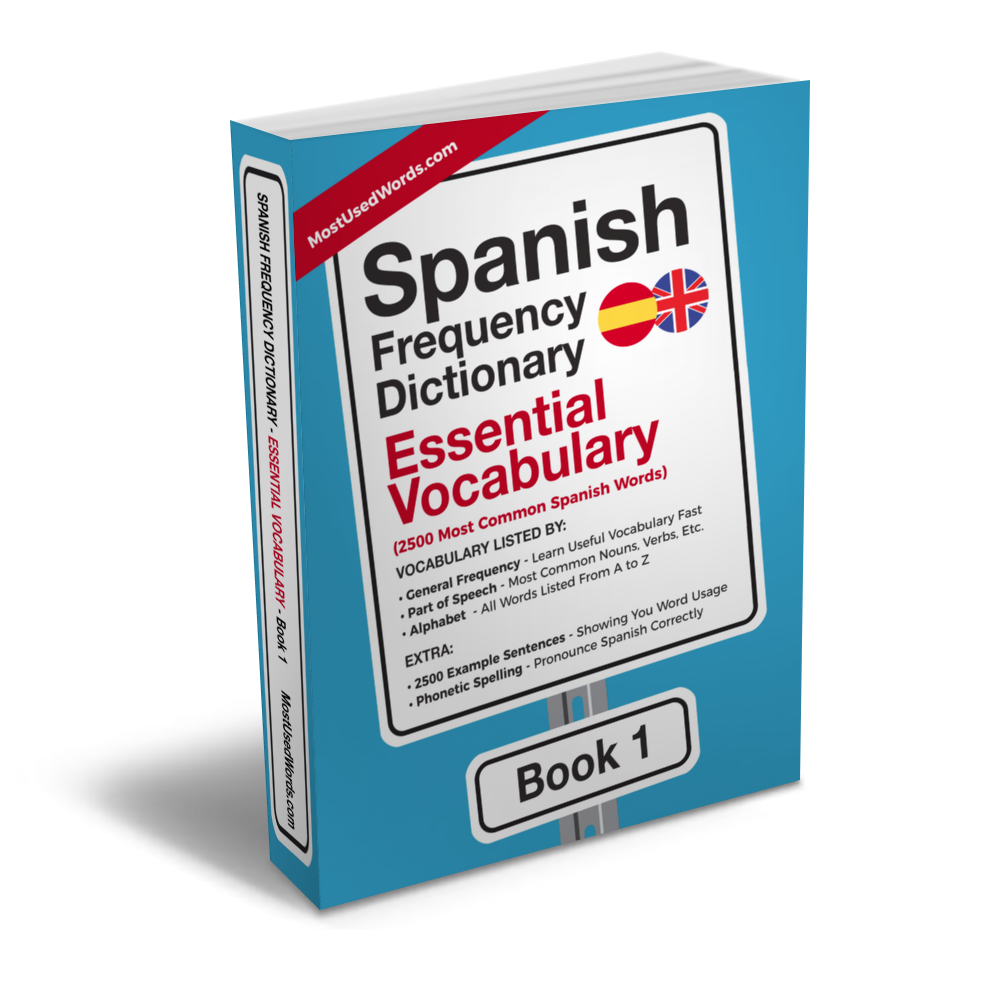
2,500 most common Spanish words with IPA pronunciation & bilingual example sentences
Forms of "Hornear" in Spanish
In Spanish, verbs are fundamental for expressing actions, states, and conditions. They take on different forms based on the subject, mood, and tense. The moods include indicative, subjunctive, and imperative, while tenses indicate the time and duration of an action. This article will cover all main tenses and moods of "hornear."
Indicative Mood: Simple Tenses
Want to improve your Spanish?
The Spanish Frequency Dictionary series covers the 10,000 most common Spanish words — ranked by how often native speakers actually use them, with IPA pronunciation, English translations, and bilingual example sentences at every level.
Browse the full series →Present
- (Yo) horneo
- (Tú) horneas
- (Él/Ella/Usted) hornea
- (Nosotros/Nosotras) horneamos
- (Vosotros/Vosotras) horneáis
- (Ellos/Ellas/Ustedes) hornean
Imperfect Past
- (Yo) horneaba
- (Tú) horneabas
- (Él/Ella/Usted) horneaba
- (Nosotros/Nosotras) horneábamos
- (Vosotros/Vosotras) horneabais
- (Ellos/Ellas/Ustedes) horneaban
Simple Past (Pretérito)
- (Yo) horneé
- (Tú) horneaste
- (Él/Ella/Usted) horneó
- (Nosotros/Nosotras) horneamos
- (Vosotros/Vosotras) horneasteis
- (Ellos/Ellas/Ustedes) hornearon
Future
- (Yo) hornearé
- (Tú) hornearás
- (Él/Ella/Usted) horneará
- (Nosotros/Nosotras) hornearmos
- (Vosotros/Vosotras) hornearéis
- (Ellos/Ellas/Ustedes) hornearán
Indicative Mood: Perfect Tenses
Present Perfect
- (Yo) he horneado
- (Tú) has horneado
- (Él/Ella/Usted) ha horneado
- (Nosotros/Nosotras) hemos horneado
- (Vosotros/Vosotras) habéis horneado
- (Ellos/Ellas/Ustedes) han horneado
Past Perfect (Pluscuamperfecto)
- (Yo) había horneado
- (Tú) habías horneado
- (Él/Ella/Usted) había horneado
- (Nosotros/Nosotras) habíamos horneado
- (Vosotros/Vosotras) habíais horneado
- (Ellos/Ellas/Ustedes) habían horneado
Future Perfect (Futuro Compuesto)
- (Yo) habré horneado
- (Tú) habrás horneado
- (Él/Ella/Usted) habrá horneado
- (Nosotros/Nosotras) habremos horneado
- (Vosotros/Vosotras) habréis horneado
- (Ellos/Ellas/Ustedes) habrán horneado
Indicative Mood: Progressive Tenses
Present Progressive (Progresivo)
- (Yo) estoy horneando
- (Tú) estás horneando
- (Él/Ella/Usted) está horneando
- (Nosotros/Nosotras) estamos horneando
- (Vosotros/Vosotras) estáis horneando
- (Ellos/Ellas/Ustedes) están horneando
Past Progressive (Pretérito Progresivo)
- (Yo) estaba horneando
- (Tú) estabas horneando
- (Él/Ella/Usted) estaba horneando
- (Nosotros/Nosotras) estábamos horneando
- (Vosotros/Vosotras) estabais horneando
- (Ellos/Ellas/Ustedes) estaban horneando
Subjunctive Mood: Simple Tenses
Present Subjunctive (Subjuntivo Presente)
- (Yo) hornee
- (Tú) hornees
- (Él/Ella/Usted) hornee
- (Nosotros/Nosotras) horneemos
- (Vosotros/Vosotras) horneéis
- (Ellos/Ellas/Ustedes) horneen
Imperfect Subjunctive (Subjuntivo Imperfecto)
- (Yo) horneara / hornease
- (Tú) hornearas / hornearas
- (Él/Ella/Usted) horneara / hornease
- (Nosotros/Nosotras) hornéaramos / hornésemos
- (Vosotros/Vosotras) hornearais / hornearais
- (Ellos/Ellas/Ustedes) hornearan / hornearan
Subjunctive Mood: Perfect Tenses
Present Perfect Subjunctive (Subjuntivo Presente Perfecto)
- (Yo) haya horneado
- (Tú) hayas horneado
- (Él/Ella/Usted) haya horneado
- (Nosotros/Nosotras) hayamos horneado
- (Vosotros/Vosotras) hayáis horneado
- (Ellos/Ellas/Ustedes) hayan horneado
Past Perfect Subjunctive (Subjuntivo Pluscuamperfecto)
- (Yo) hubiera / hubiese horneado
- (Tú) hubieras / hubieses horneado
- (Él/Ella/Usted) hubiera / hubiese horneado
- (Nosotros/Nosotras) hubiéramos / hubiésemos horneado
- (Vosotros/Vosotras) hubierais / hubieseis horneado
- (Ellos/Ellas/Ustedes) hubieran / hubiesen horneado
Imperative Mood: Affirmative and Negative Commands
Affirmative Imperatives (Imperativo Afirmativo)
- (Tú) hornea
- (Él/Ella/Usted) hornee
- (Nosotros/Nosotras) horneemos
- (Vosotros/Vosotras) hornead
- (Ellos/Ellas/Ustedes) horneen
Negative Imperatives (Imperativo Negativo)
- (Tú) no hornees
- (Él/Ella/Usted) no hornee
- (Nosotros/Nosotras) no horneemos
- (Vosotros/Vosotras) no horneéis
- (Ellos/Ellas/Ustedes) no horneen
Real-Life Uses of "Hornear" and Comparisons with Similar Verbs
"Hornear" is often used in contexts where baking or cooking food items in an oven is involved. For instance, you might use it when describing the process of making bread, cakes, cookies, or any other baked goods. Here are some examples:
- Estoy horneando un pastel para la fiesta de cumpleaños.
- Horneé unos panecillos esta mañana.
Compare "hornear" with similar verbs like "cocinar," which is more general and can refer to cooking in any way, not just baking. For example:
- Cocino la cena para toda la familia.
- Hervir agua es una parte importante de cocinar sopas y caldos.
Common Phrases and Idioms Using "Hornear"
There are several common phrases and idioms that incorporate the verb "hornear." Here are a few examples:
- Hornea el pan como si fuera para un rey.
- No te preocupes, ya he horneado suficientes galletas para todos.
Frequently Asked Questions
What does "hornear" mean in English?
"Hornear" means to bake or cook something in an oven. It is a specific verb used for actions involving baking rather than general cooking.
How do you conjugate "hornear" in the present tense?
The present tense of "hornear" includes: (Yo) horneo, (Tú) horneas, (Él/Ella/Usted) hornea, (Nosotros/Nosotras) horneamos, (Vosotros/Vosotras) horneáis, and (Ellos/Ellas/Ustedes) hornean.
Can "hornear" be used in the subjunctive mood?
Yes, "hornear" can be conjugated in the subjunctive mood. For example: (Yo) hornee, (Tú) hornees, (Él/Ella/Usted) hornee.
Build Your Spanish Vocabulary Systematically
The fastest way to grow your Spanish vocabulary is to start with the words you'll actually encounter every day. The Spanish Frequency Dictionary covers the 2,500 most common Spanish words, each with IPA pronunciation, an English translation, and bilingual example sentences.
Browse the full range of Spanish frequency dictionaries to find the volume that matches your level.